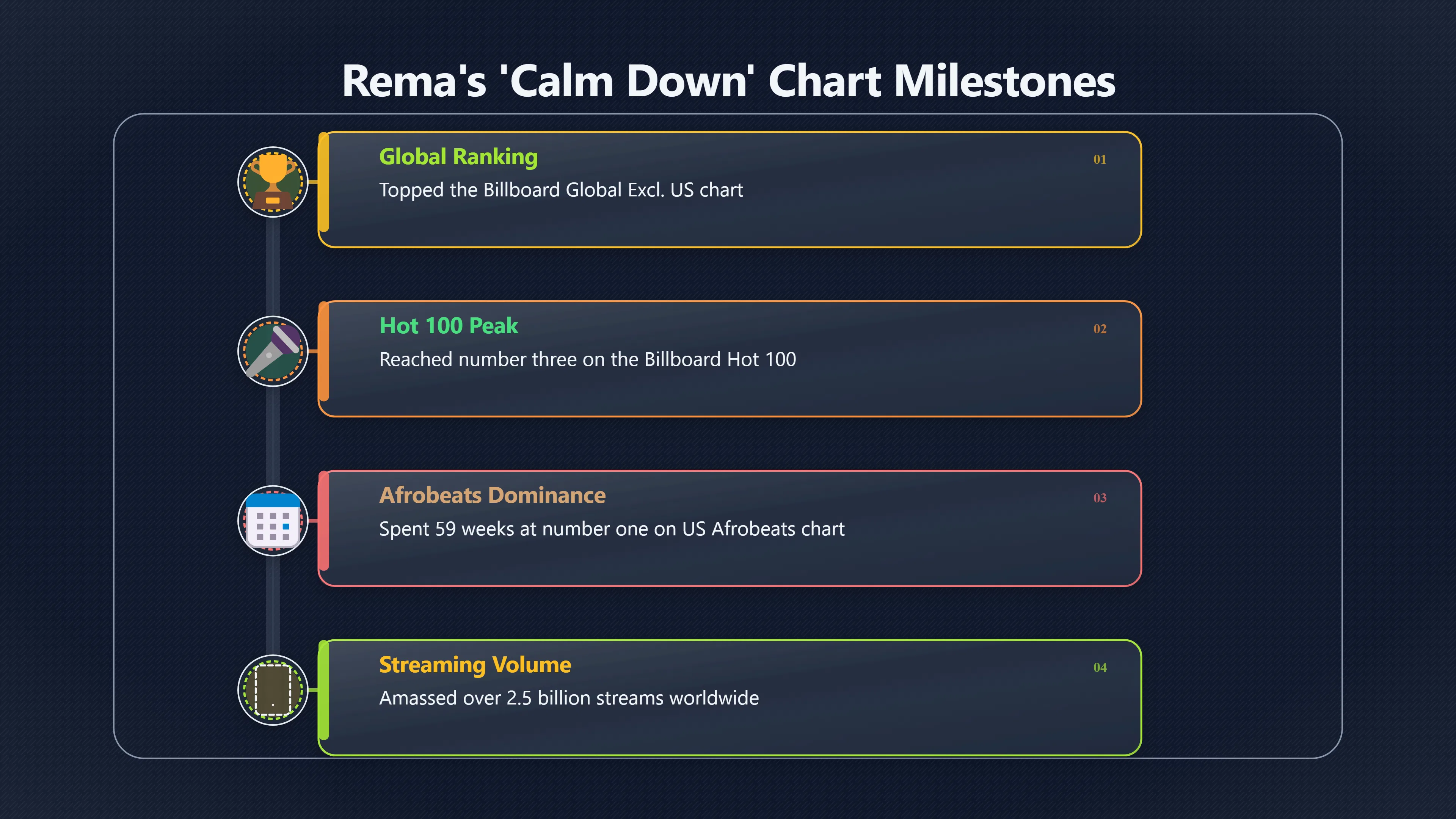
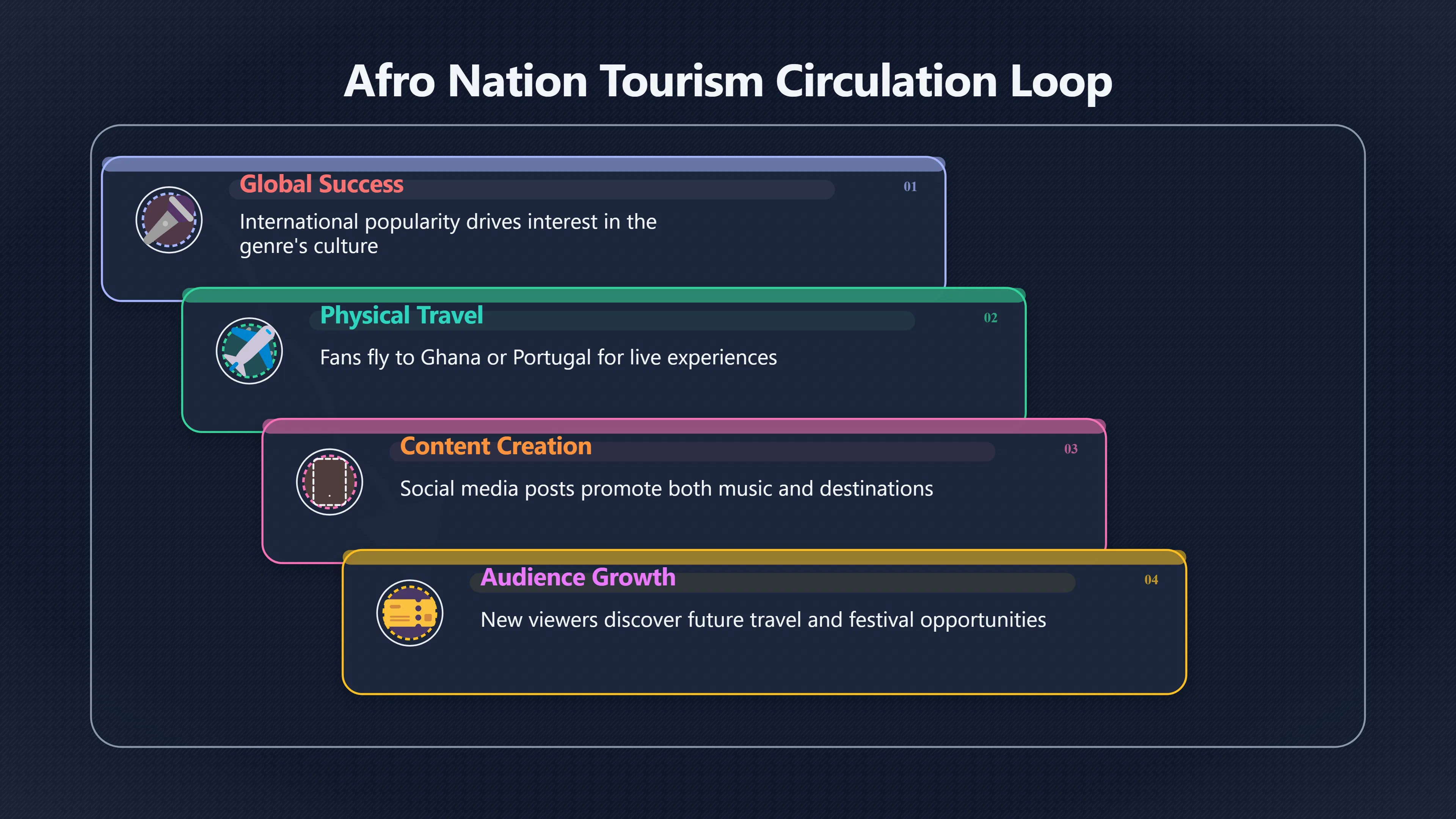
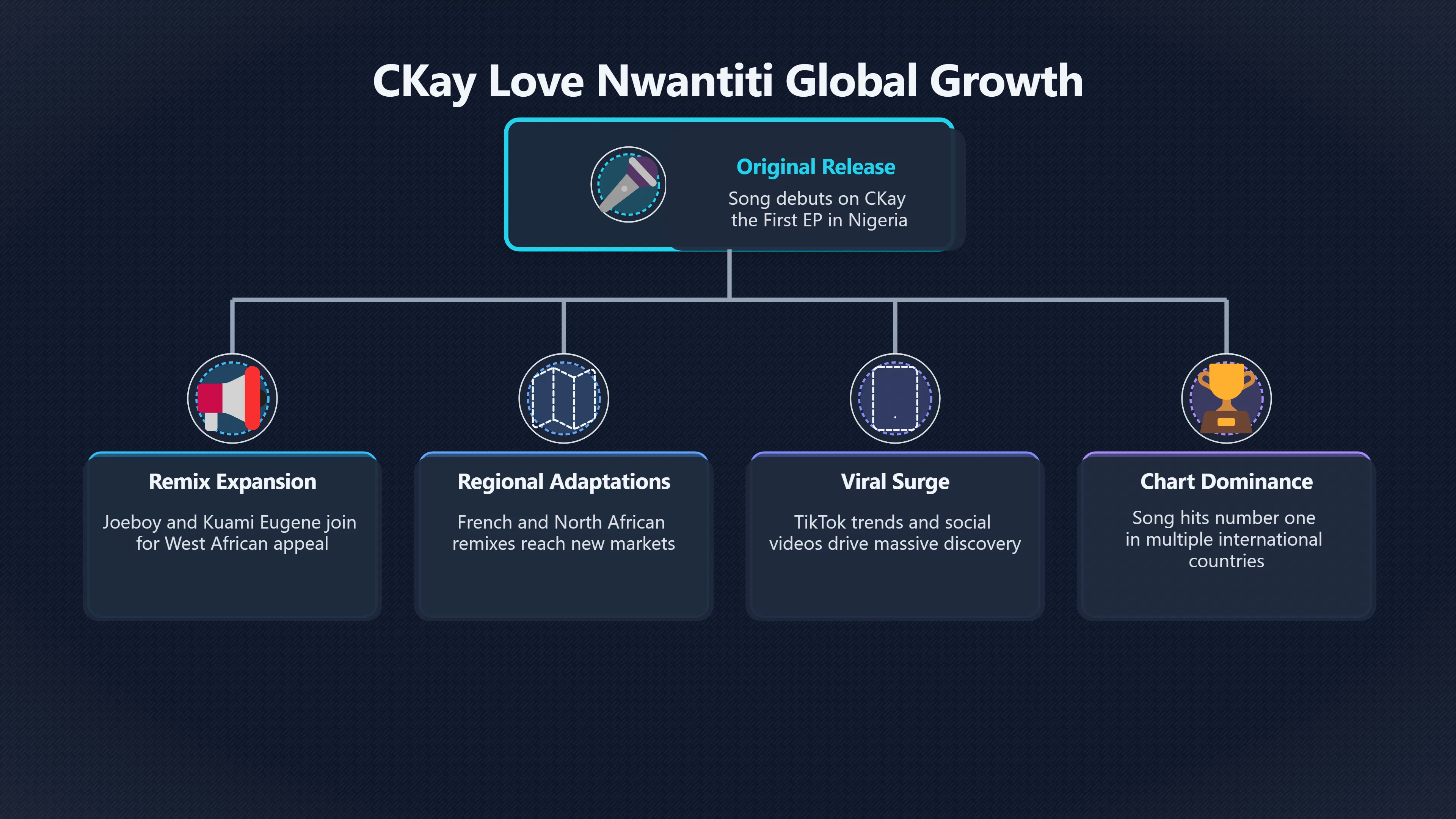
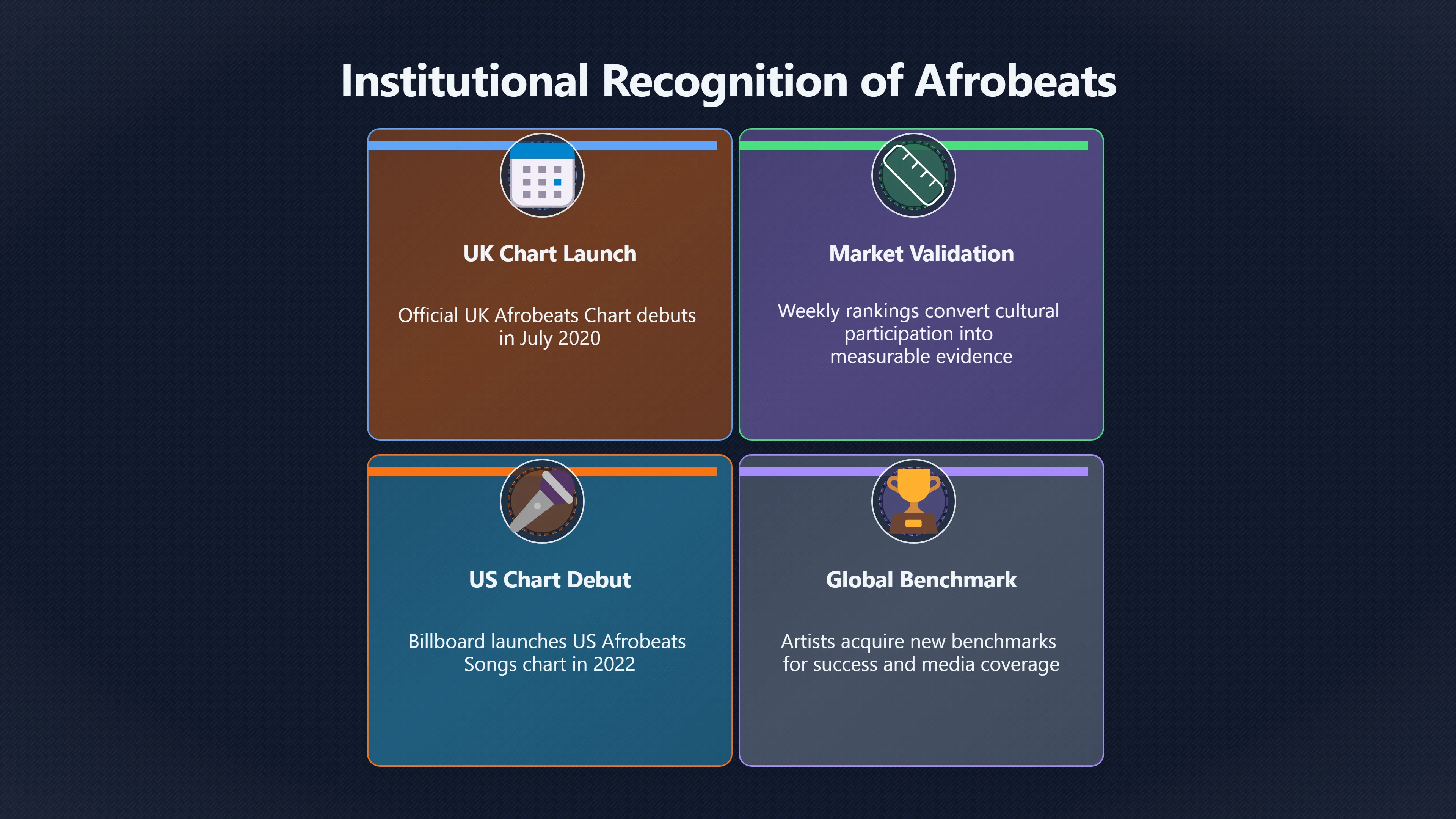
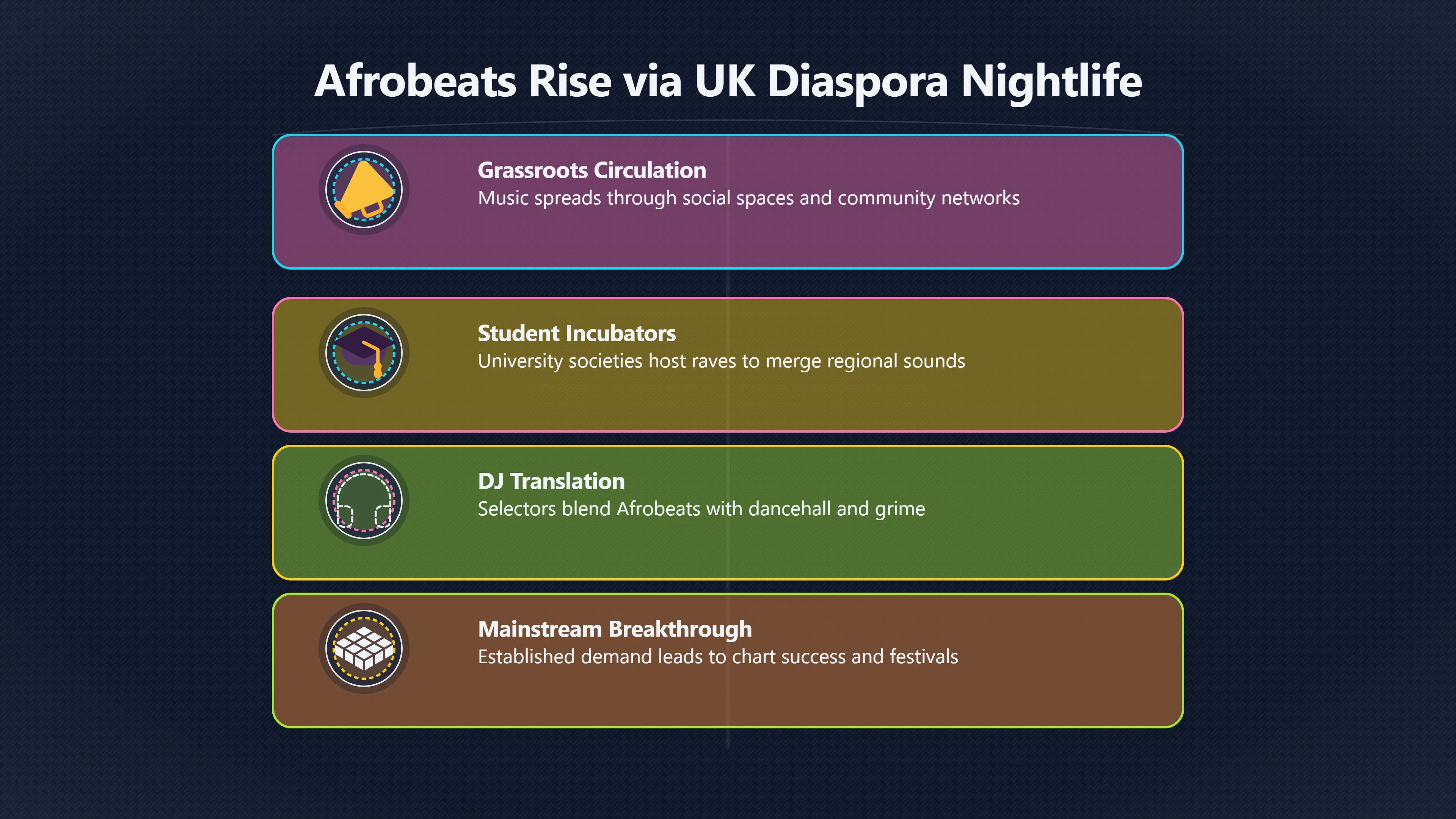
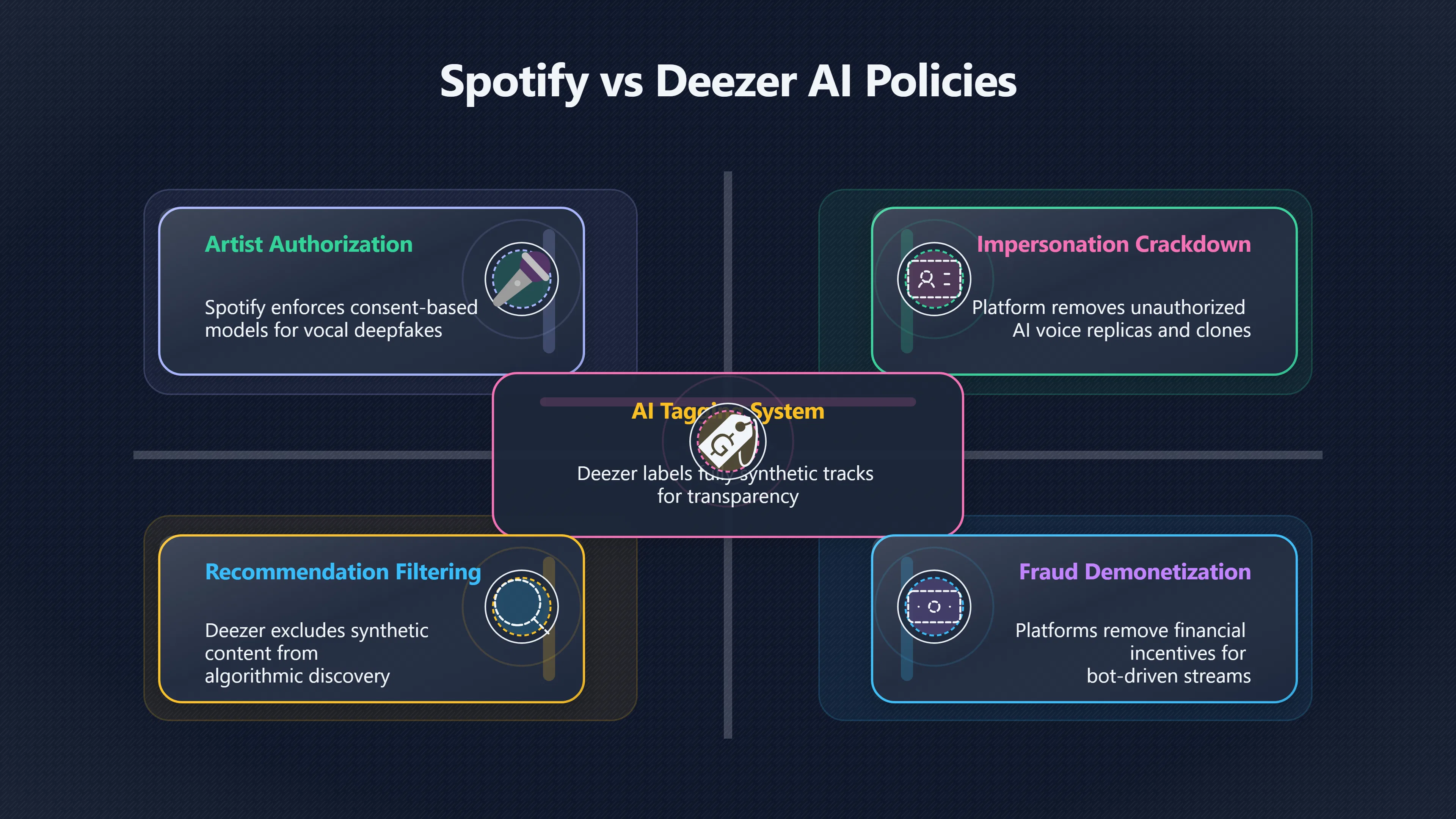
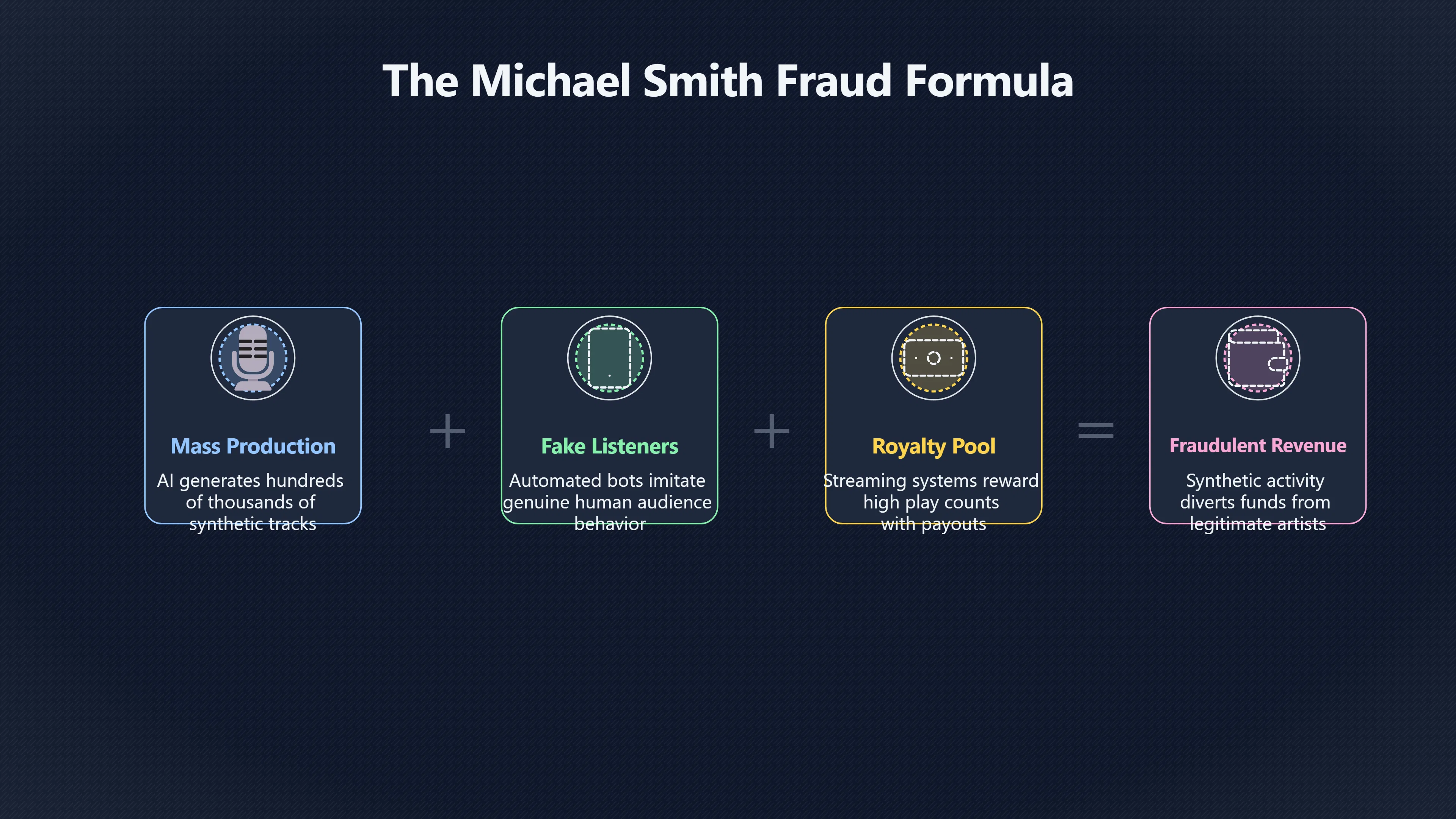
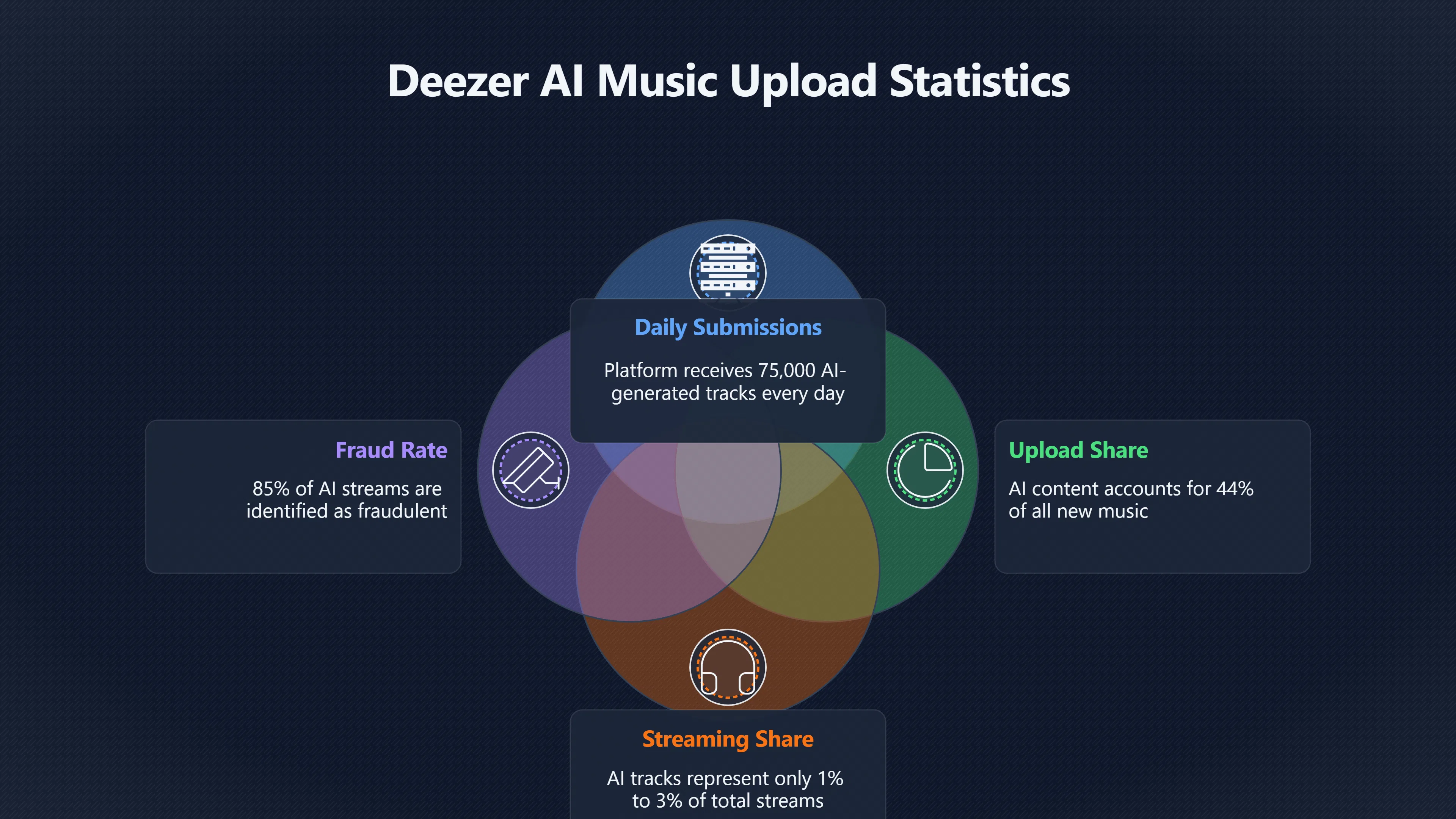
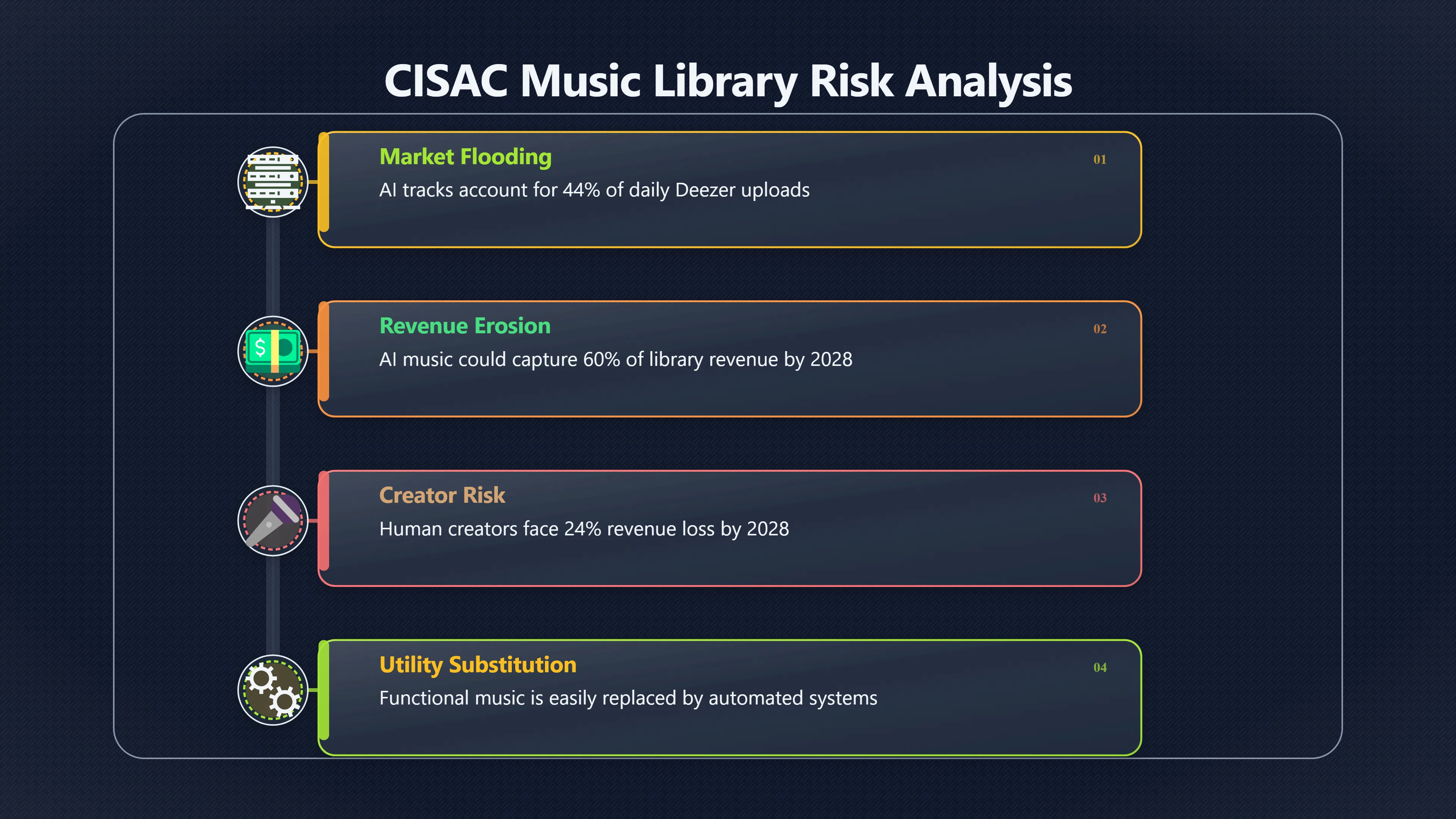
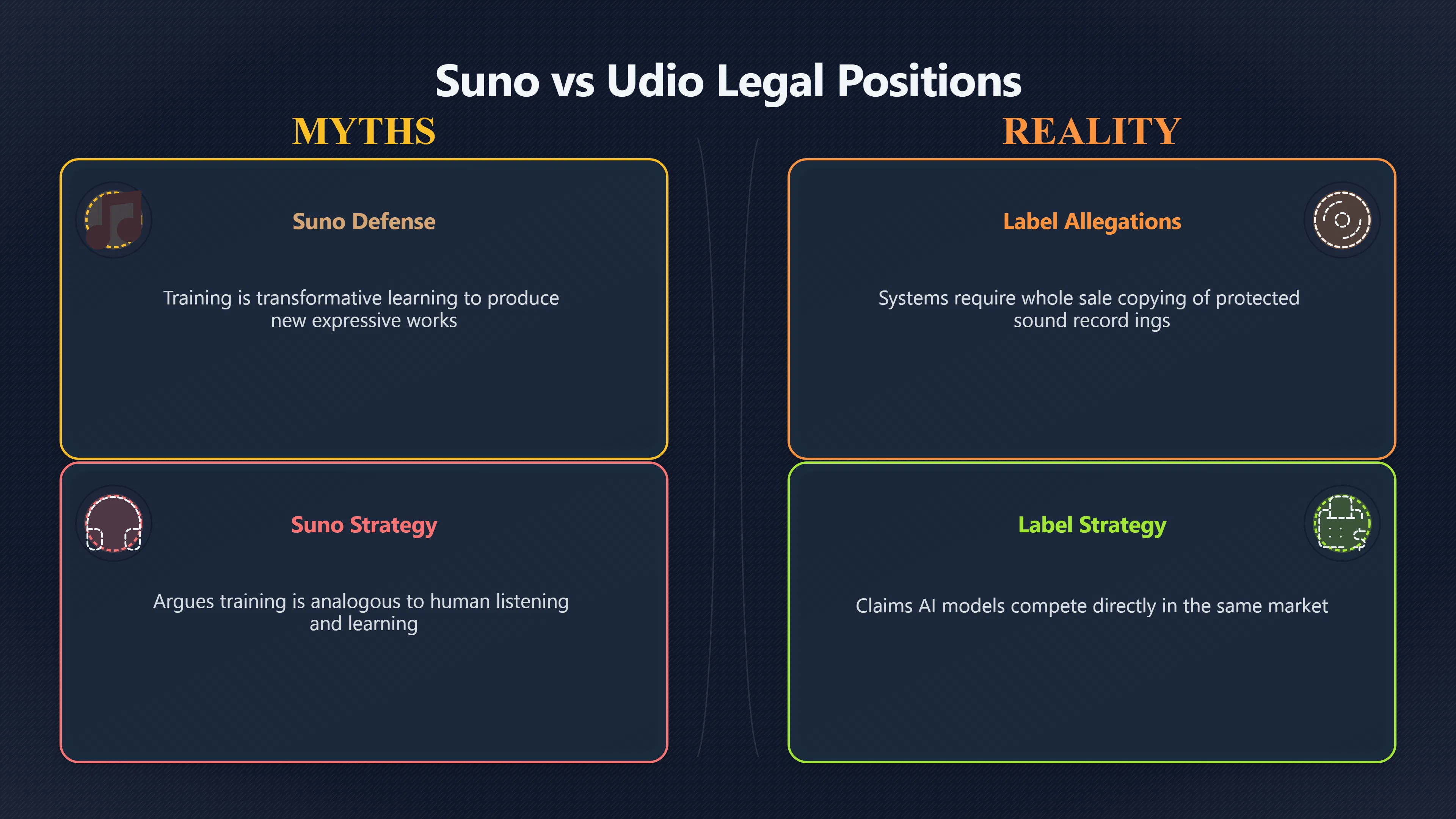
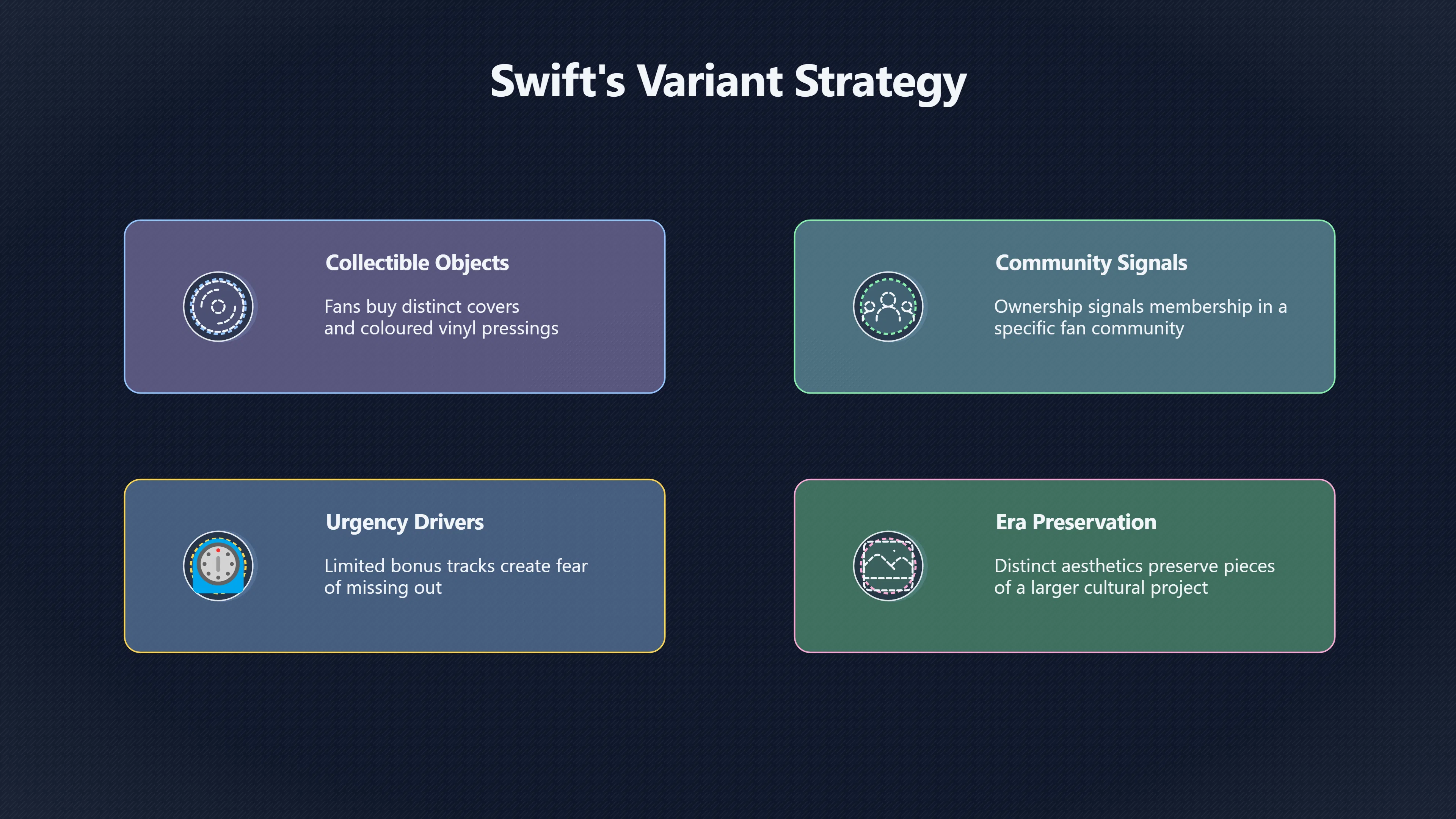
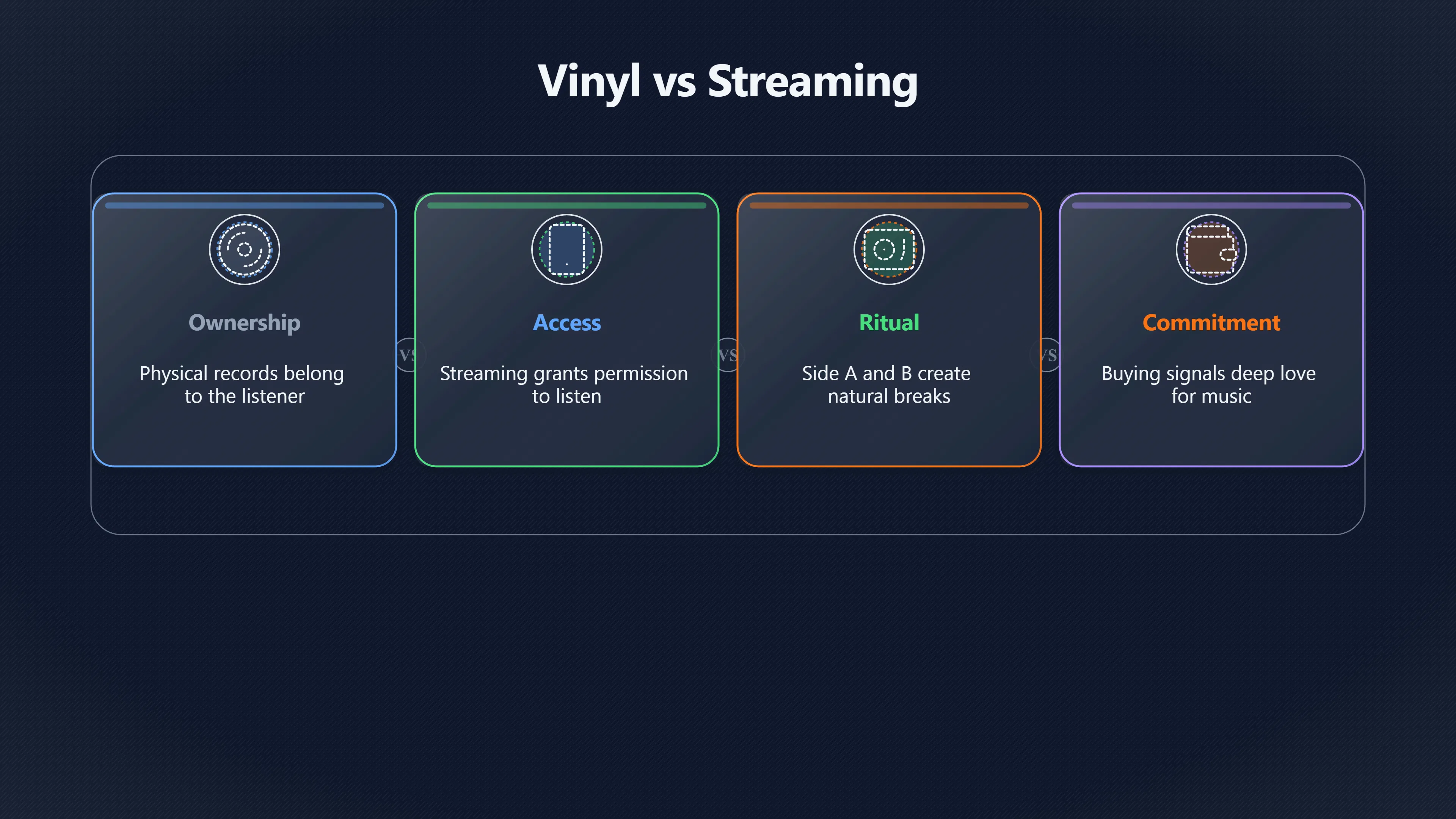
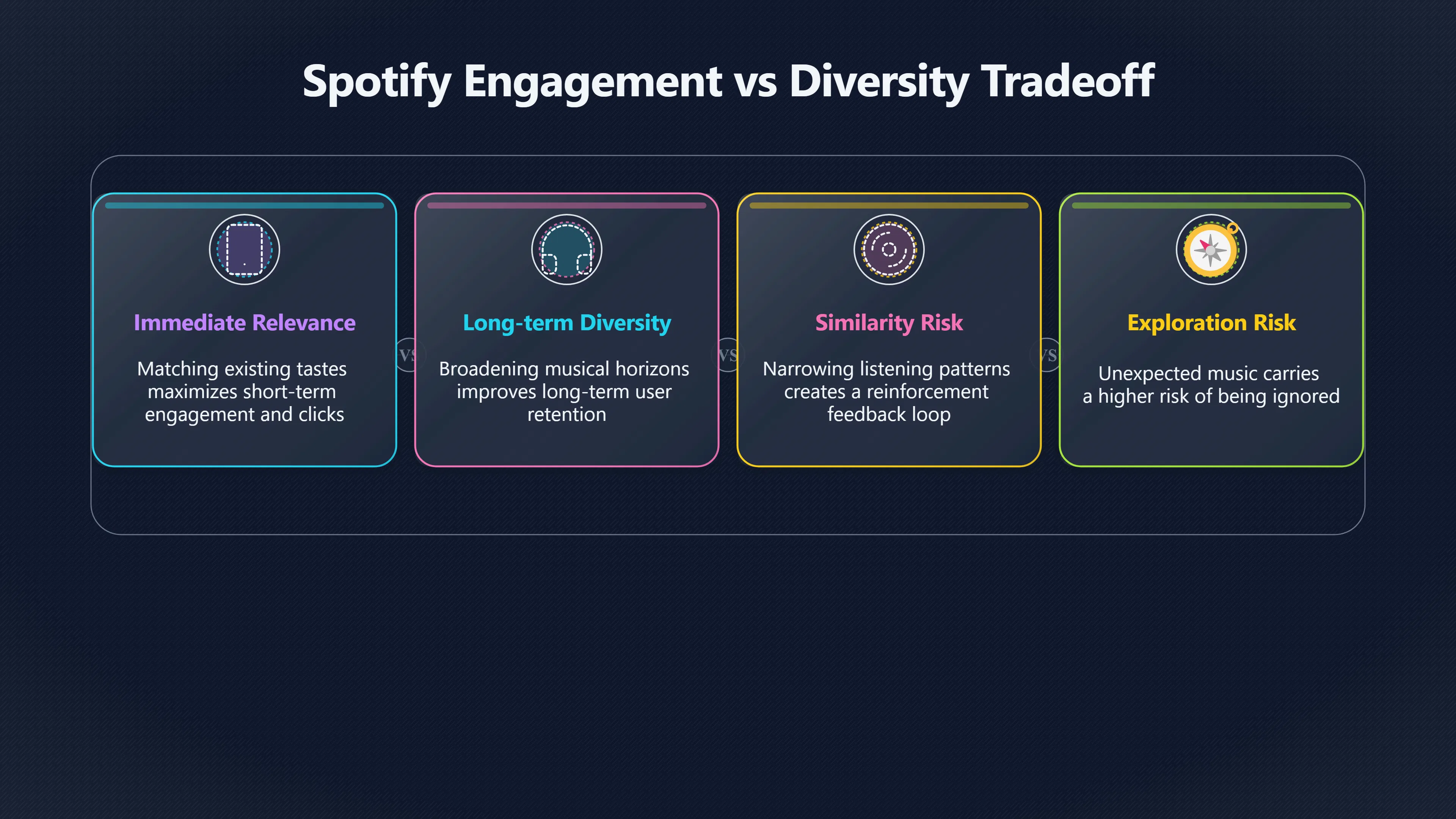
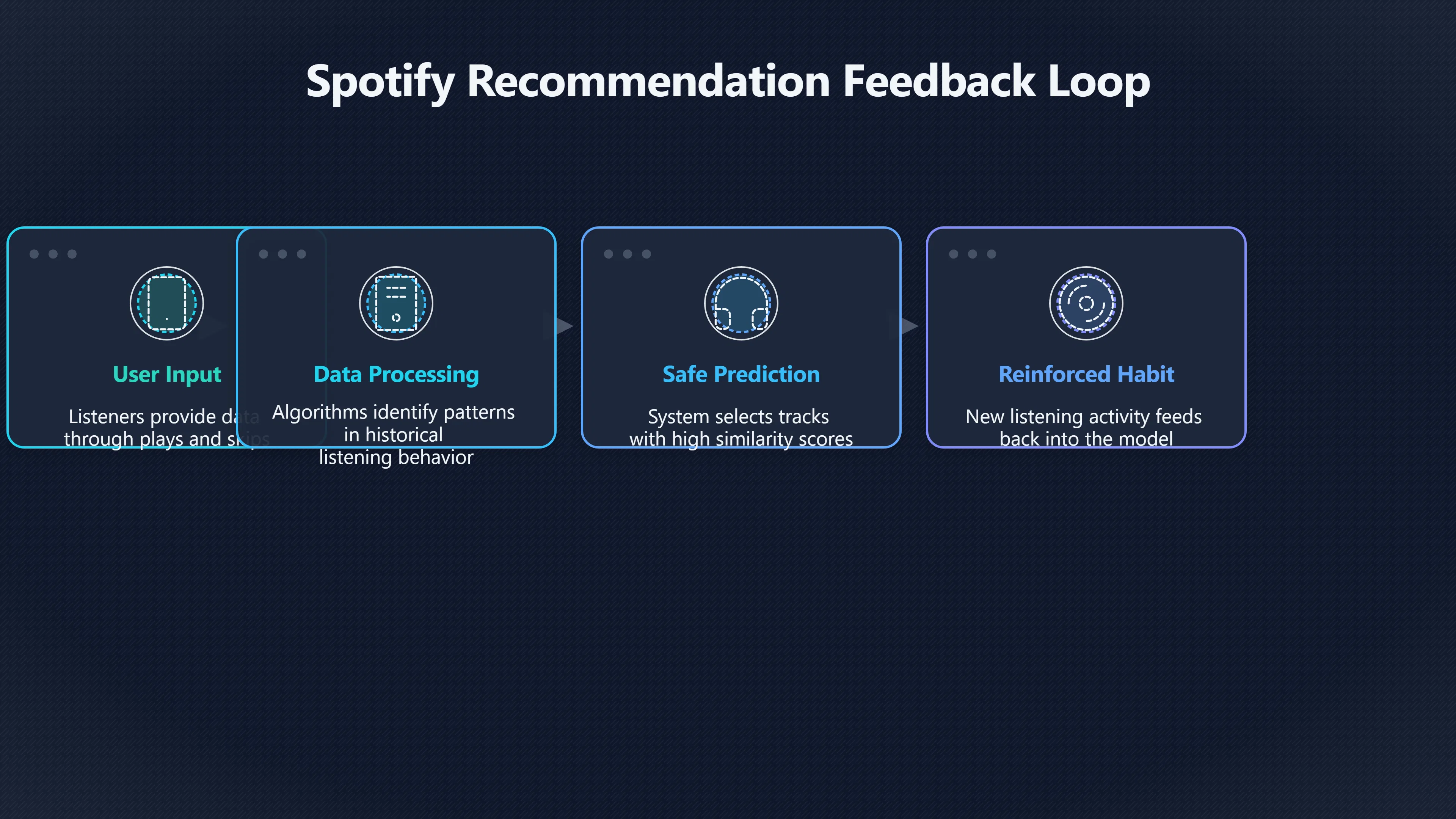
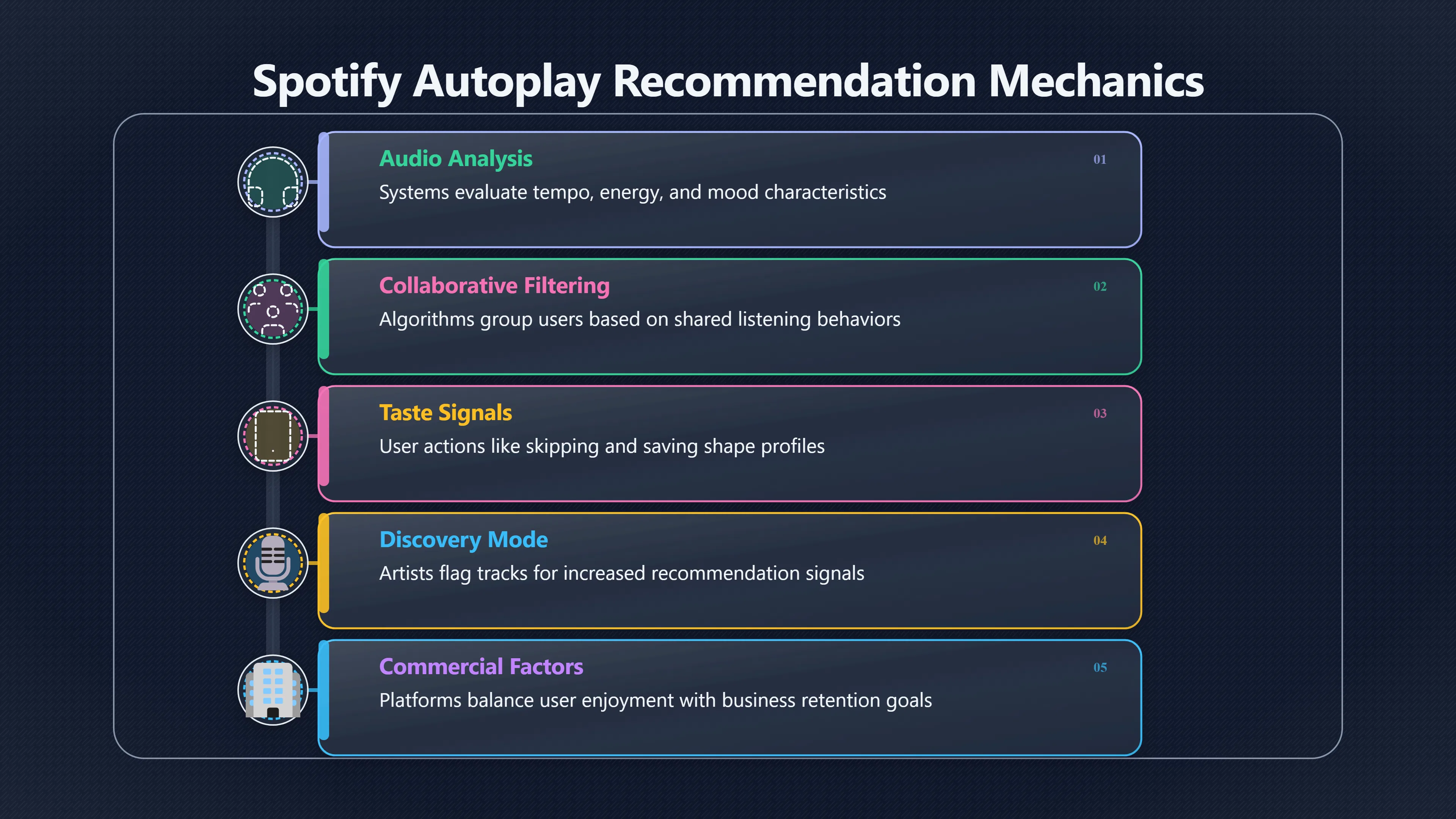
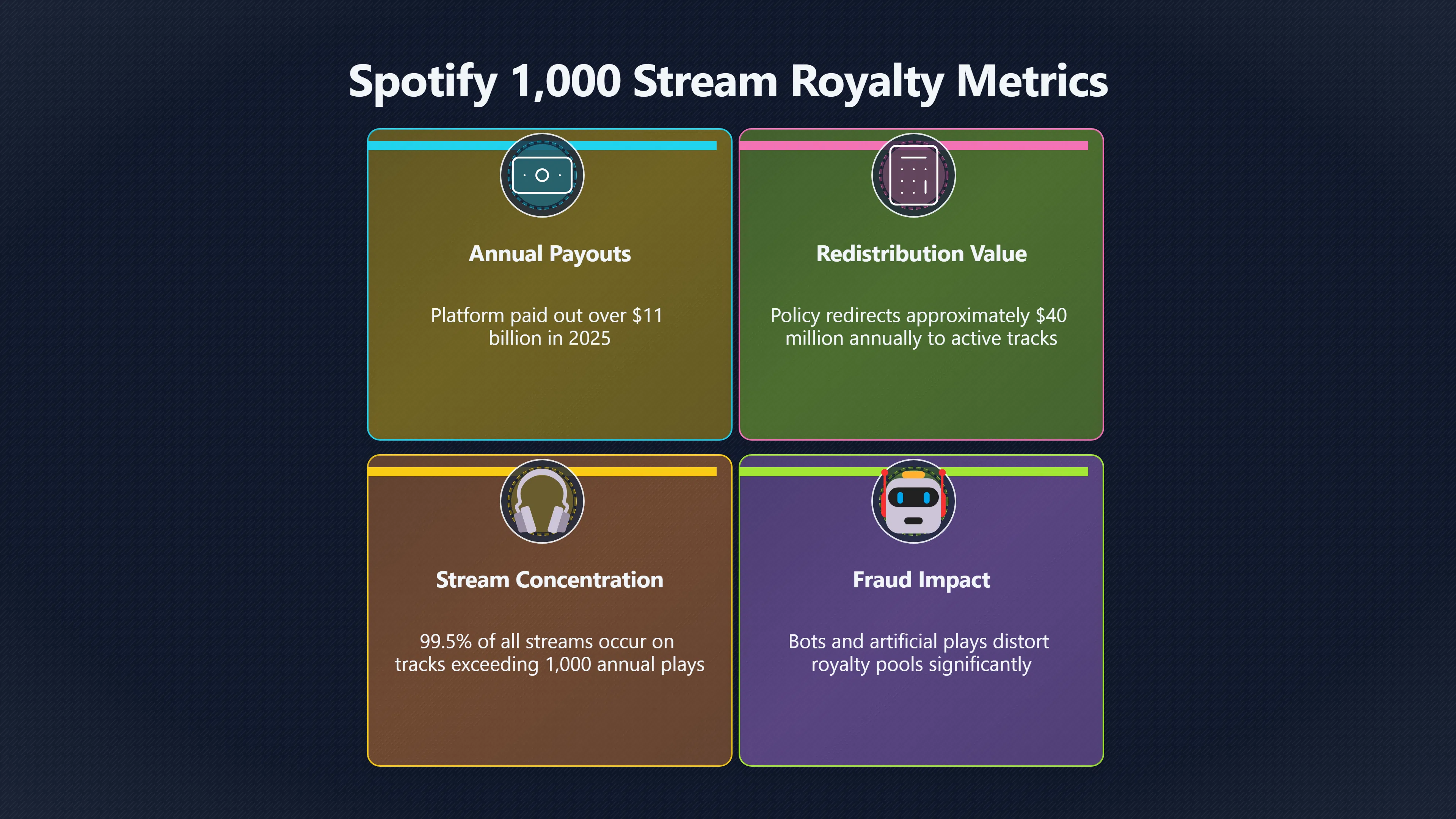
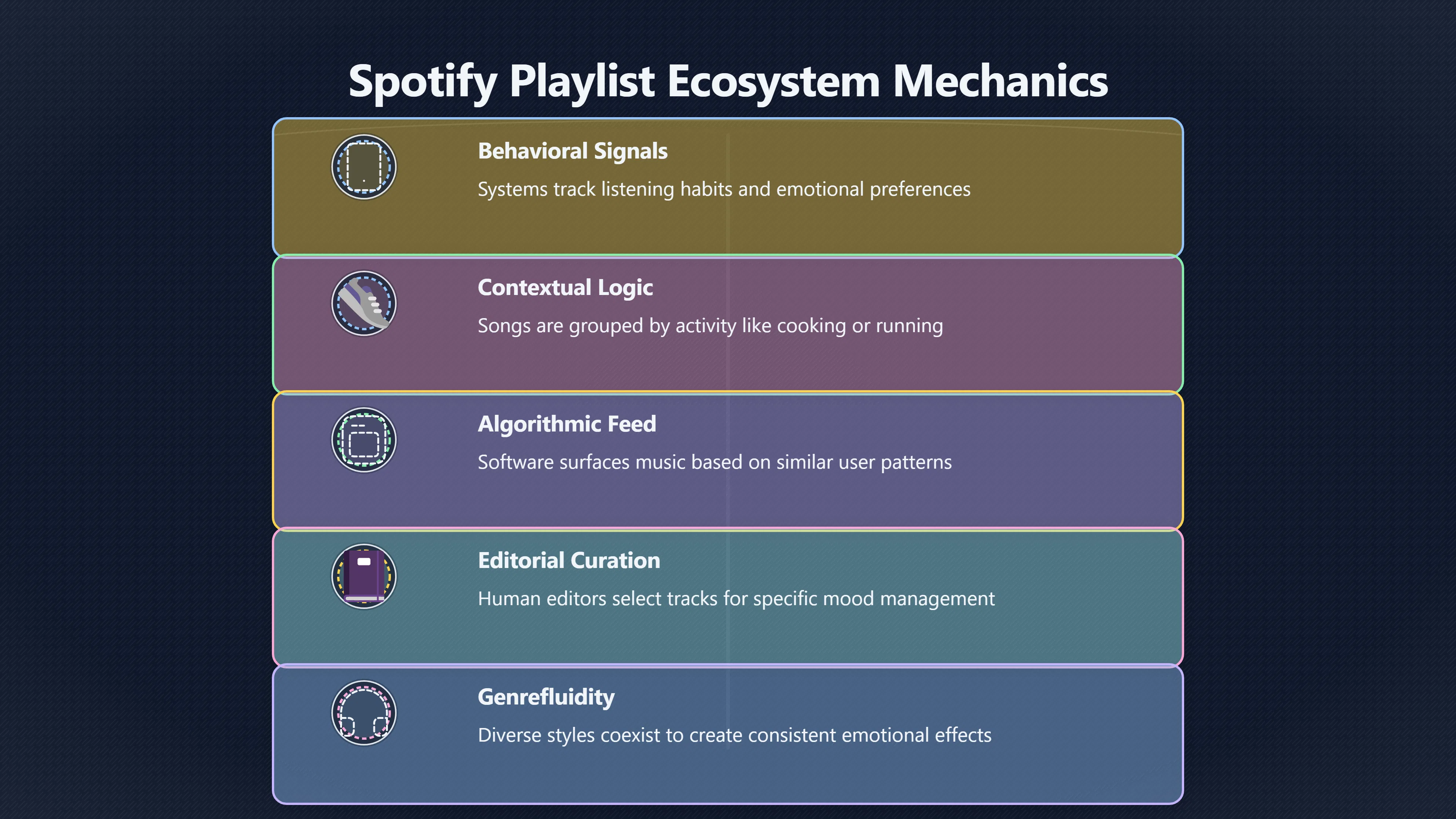
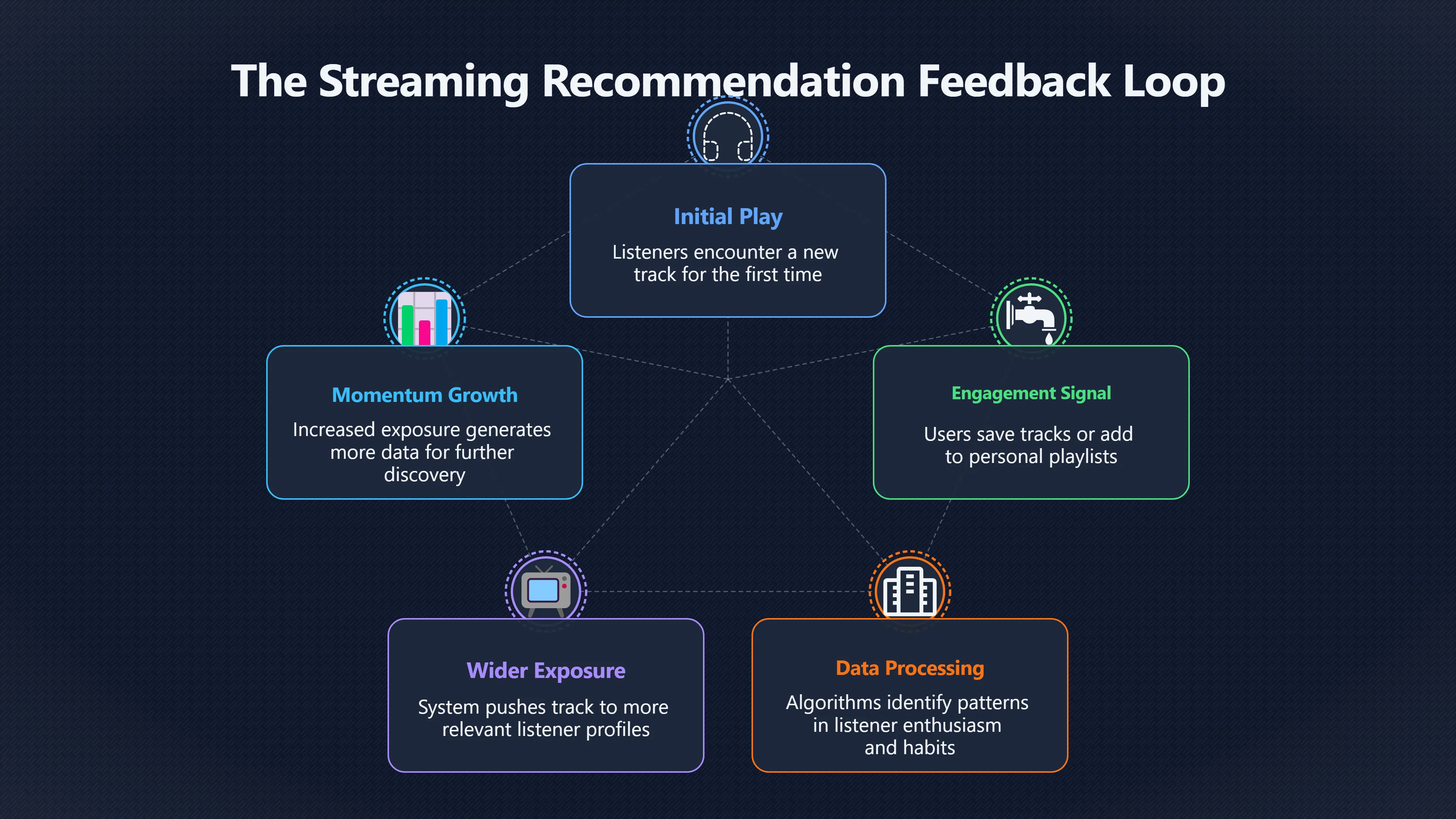
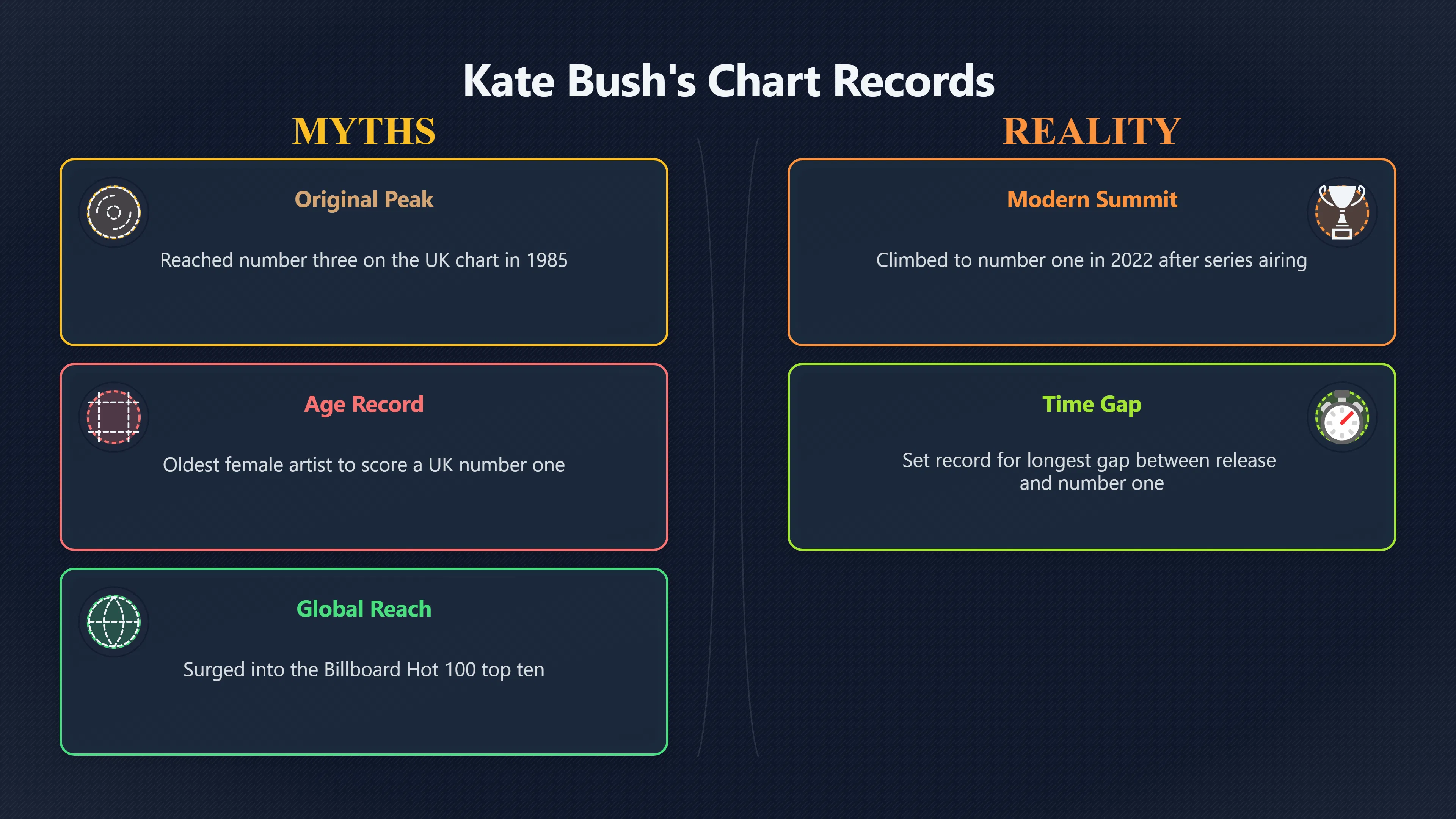
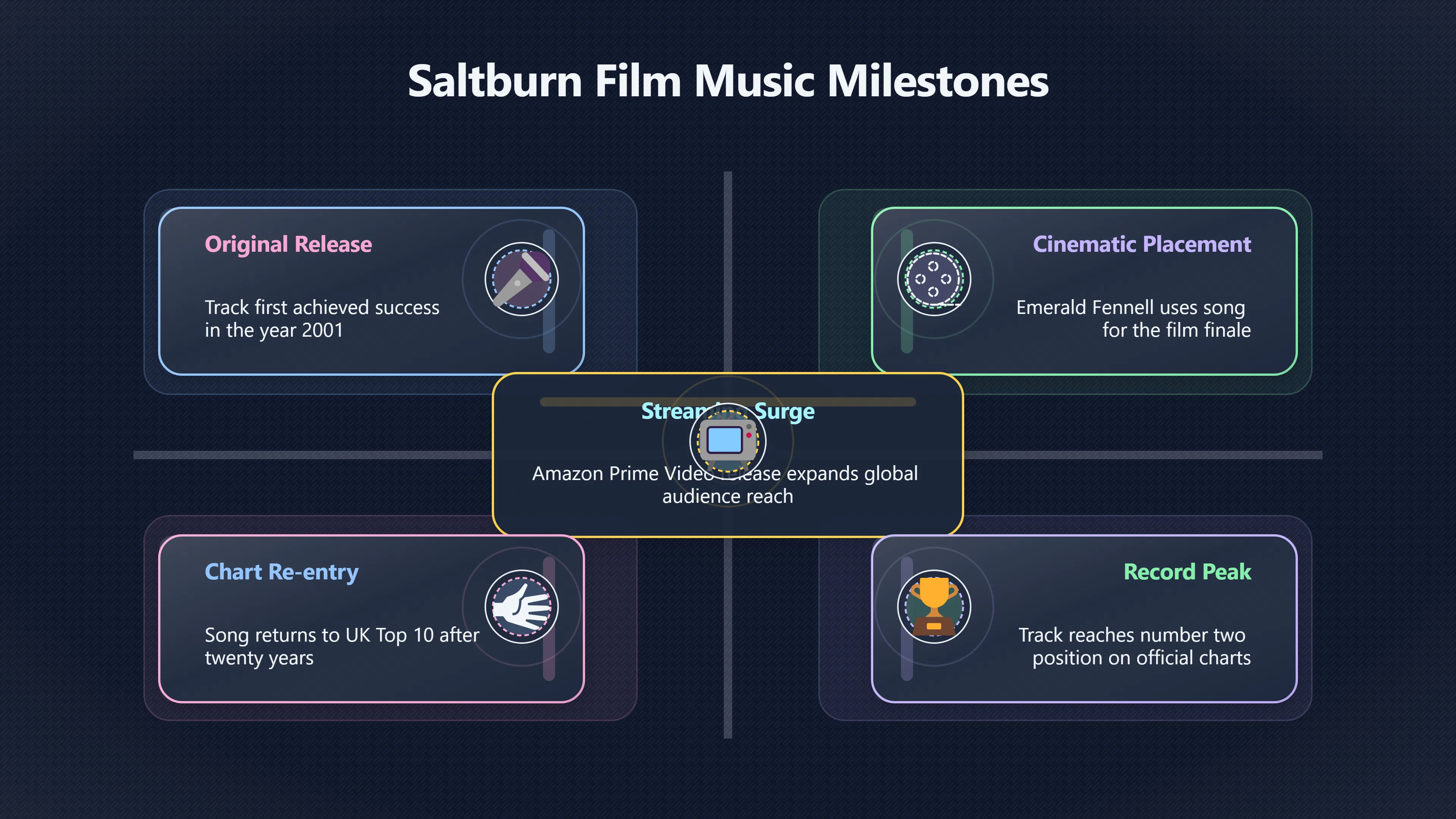
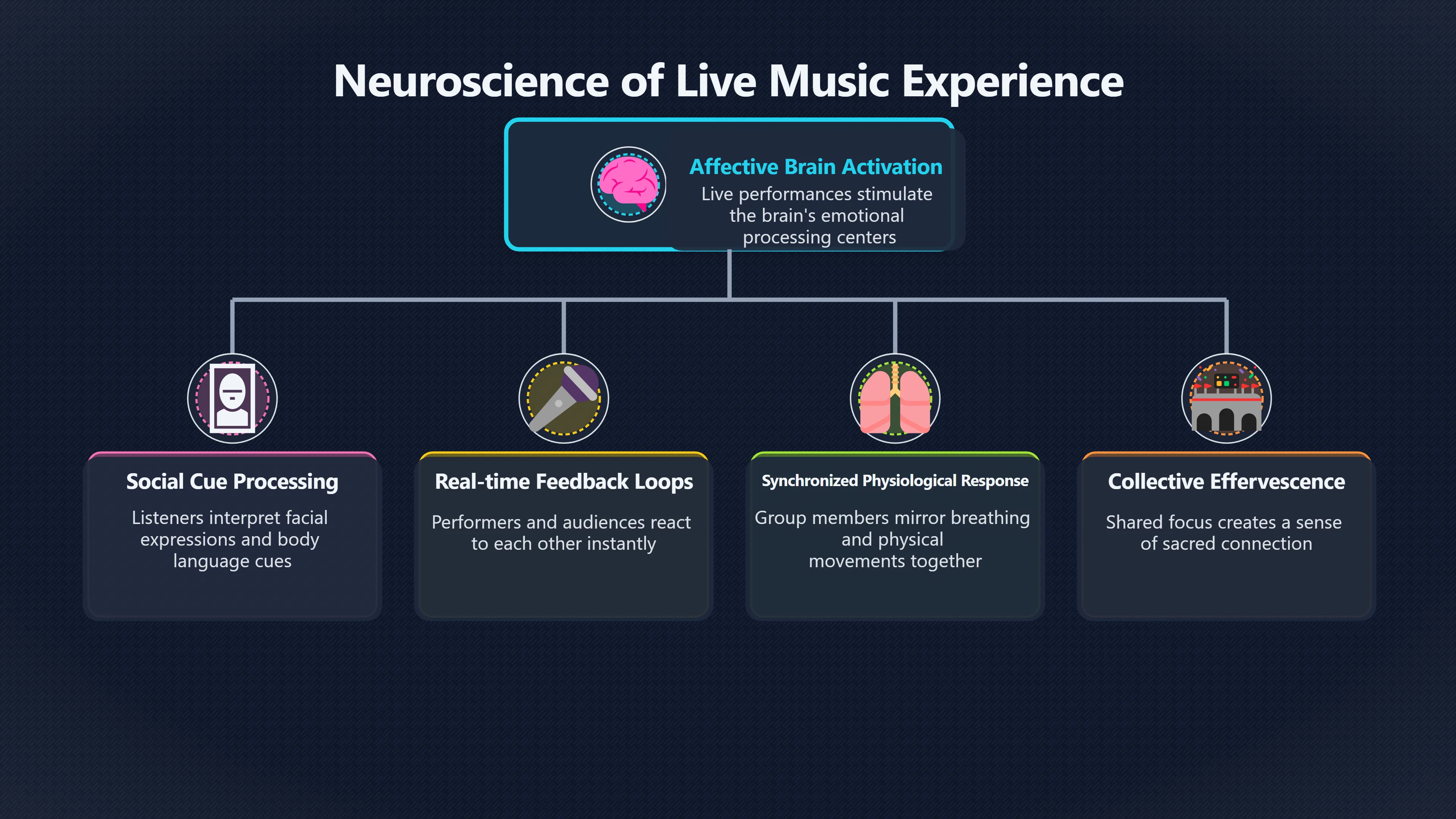
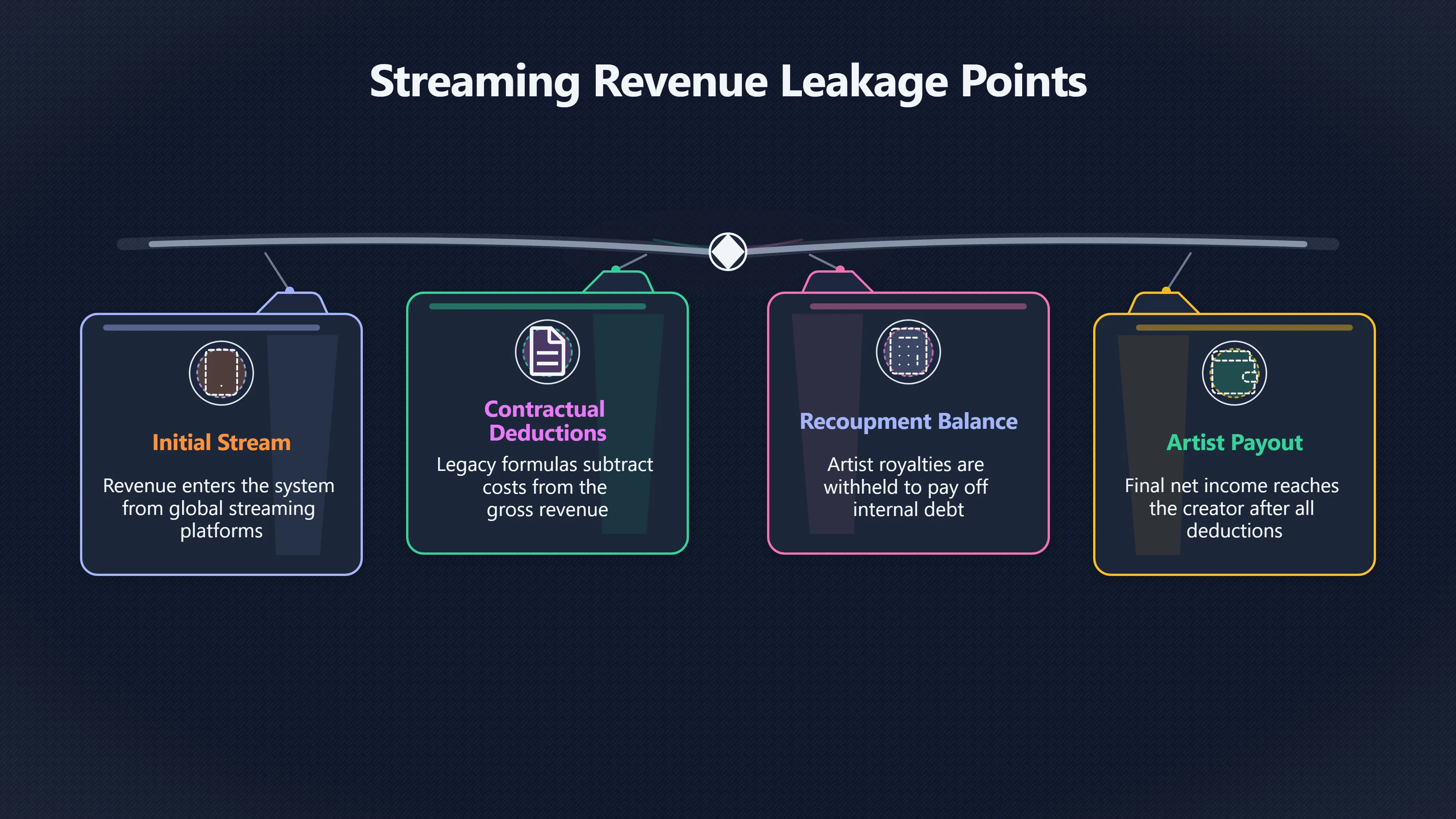
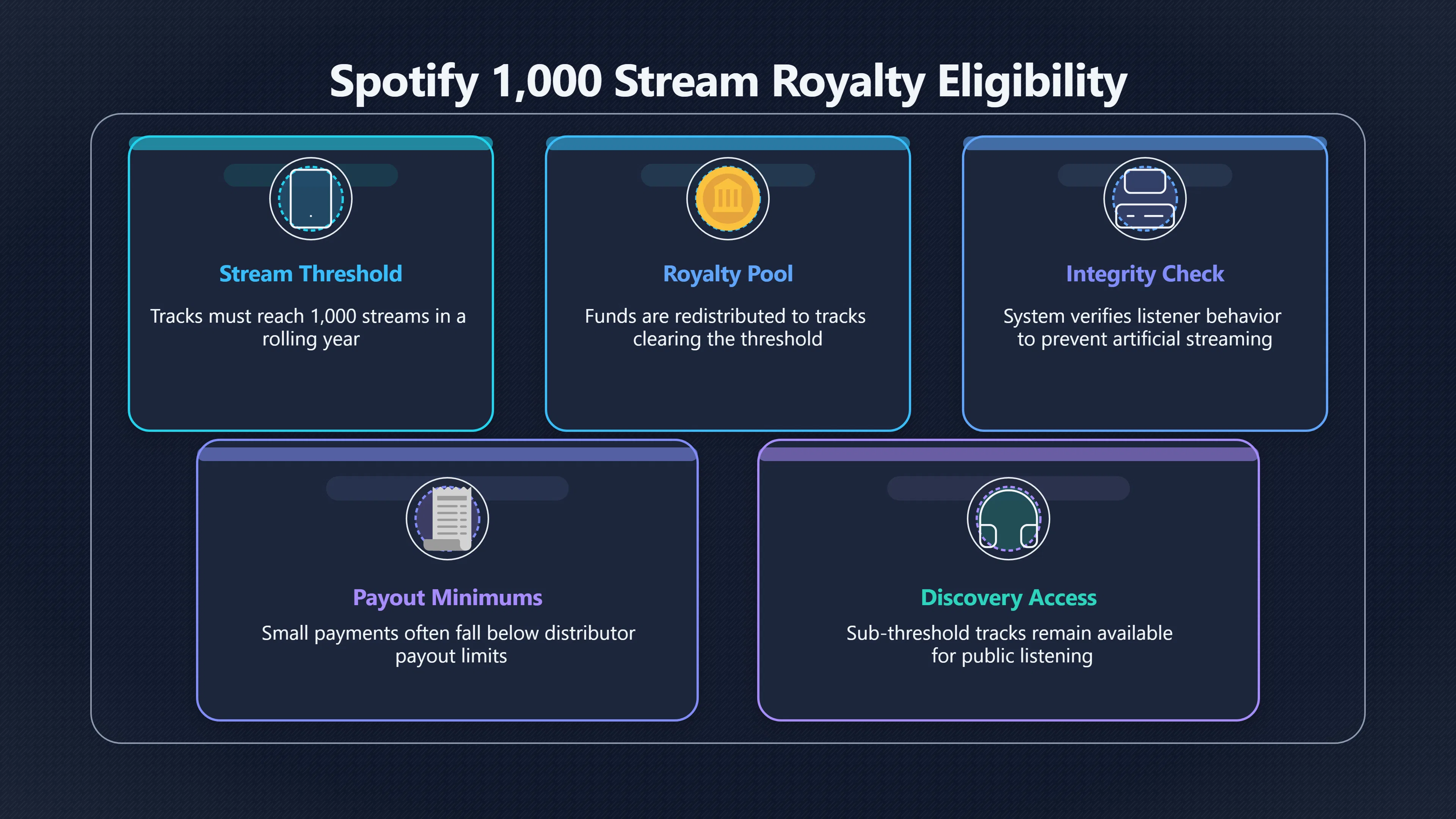
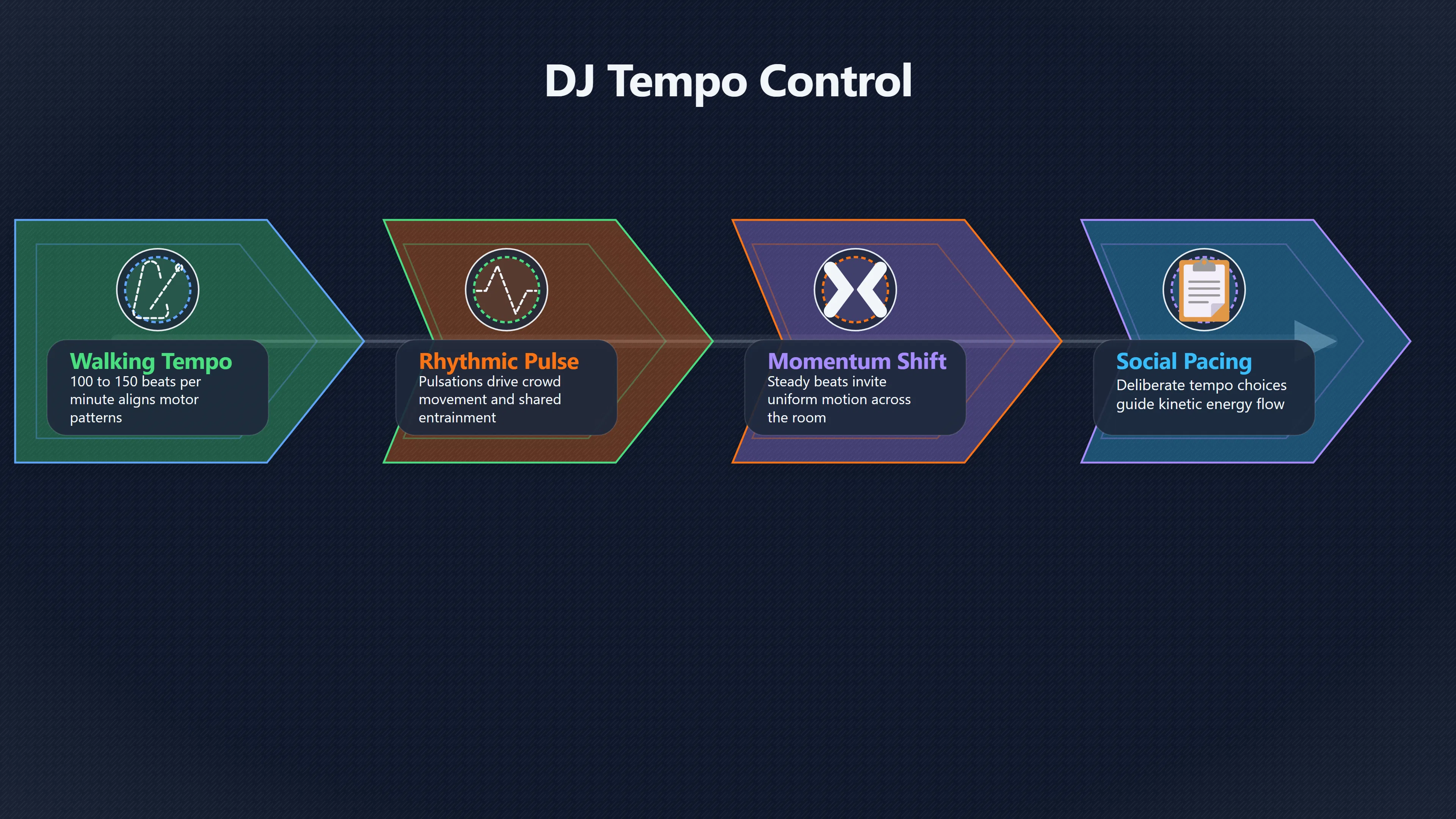
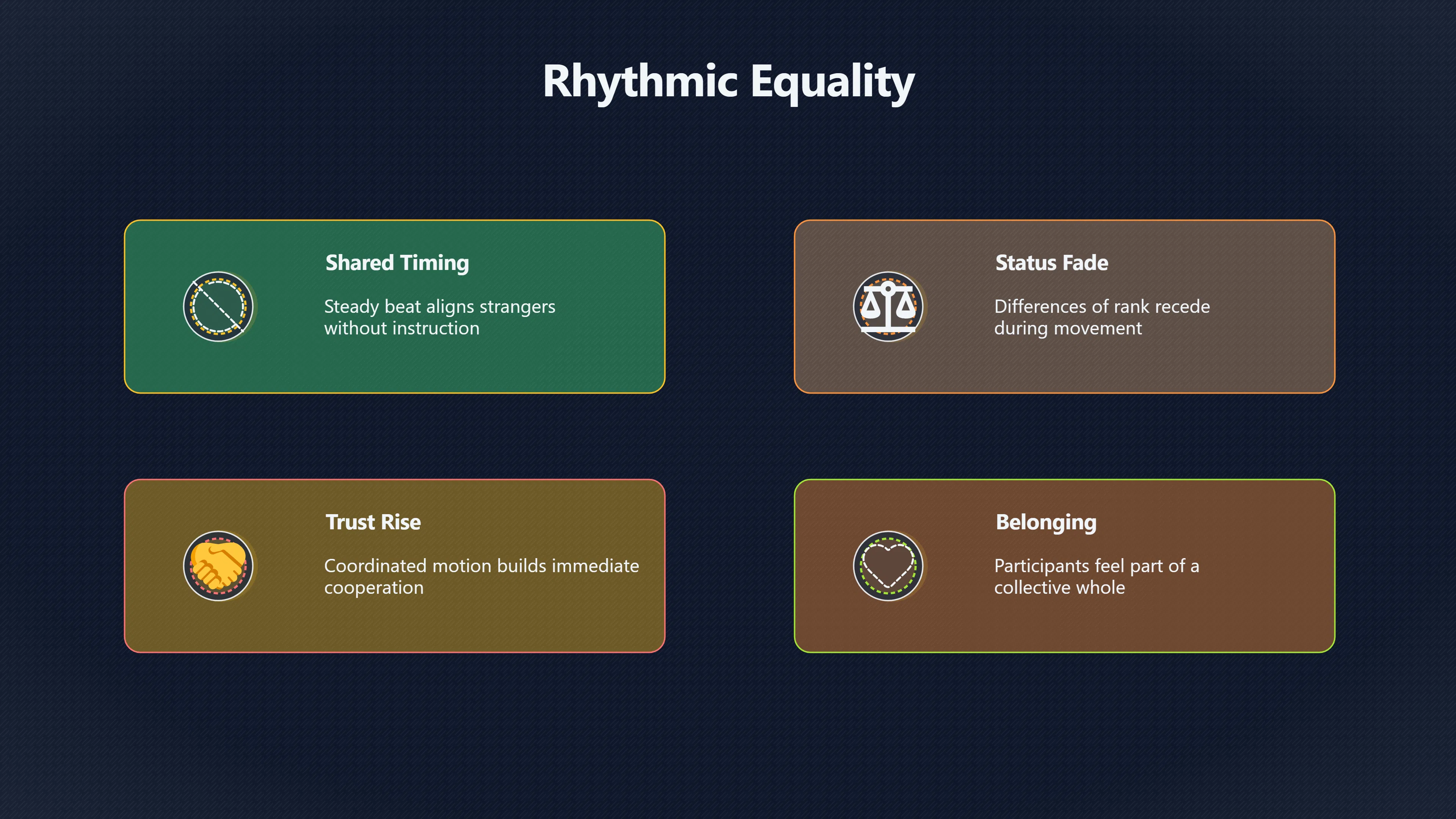
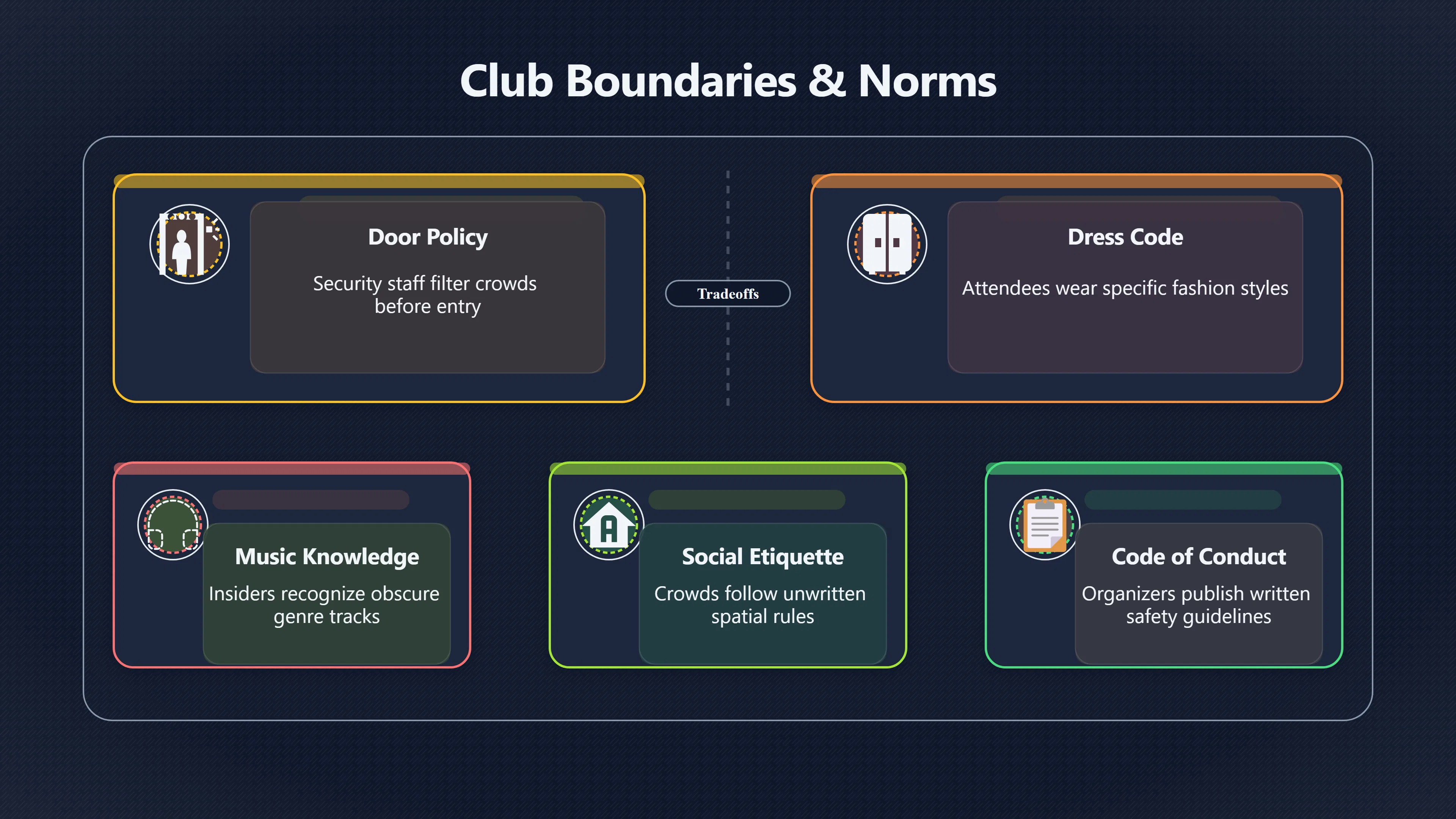
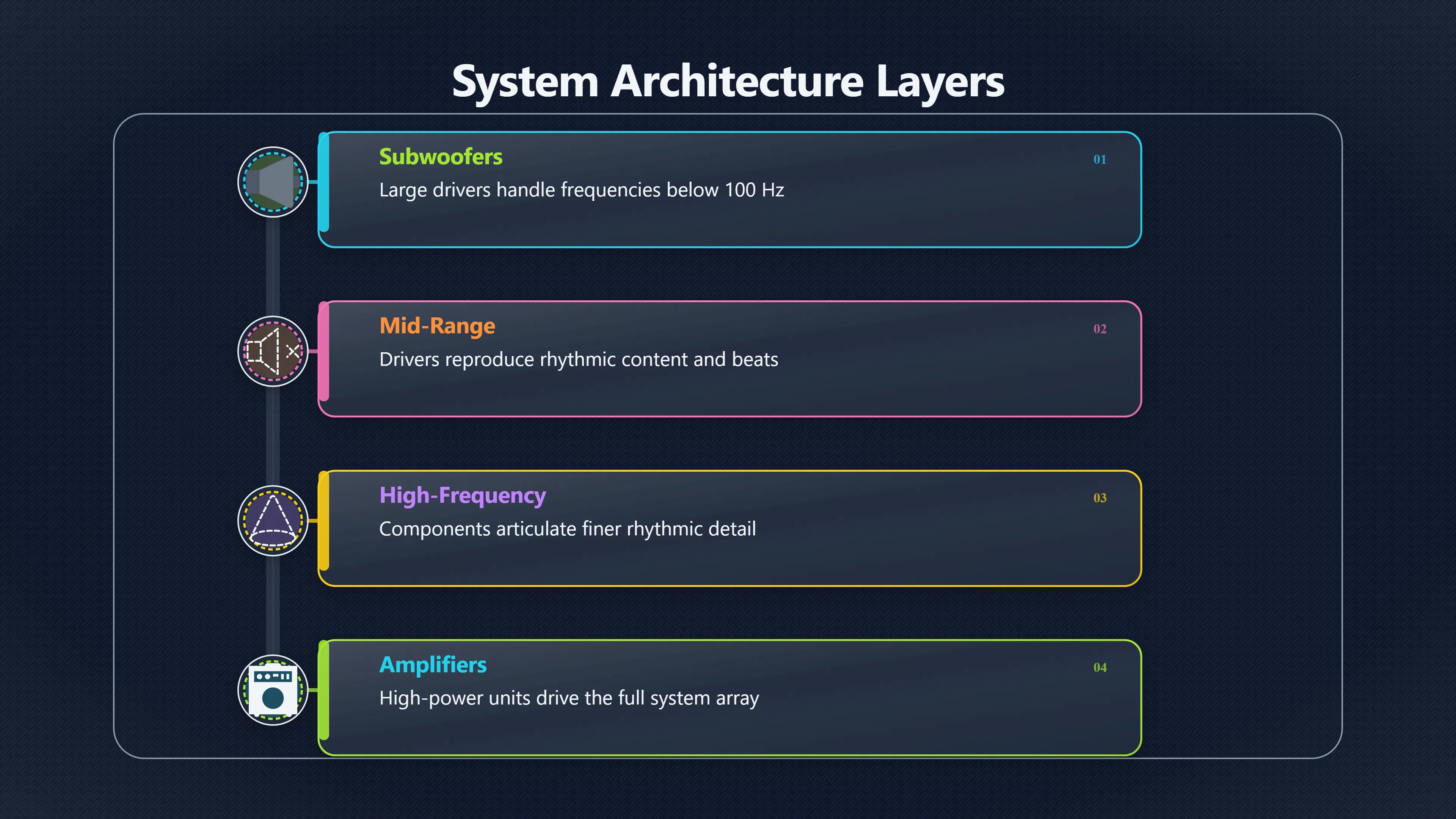
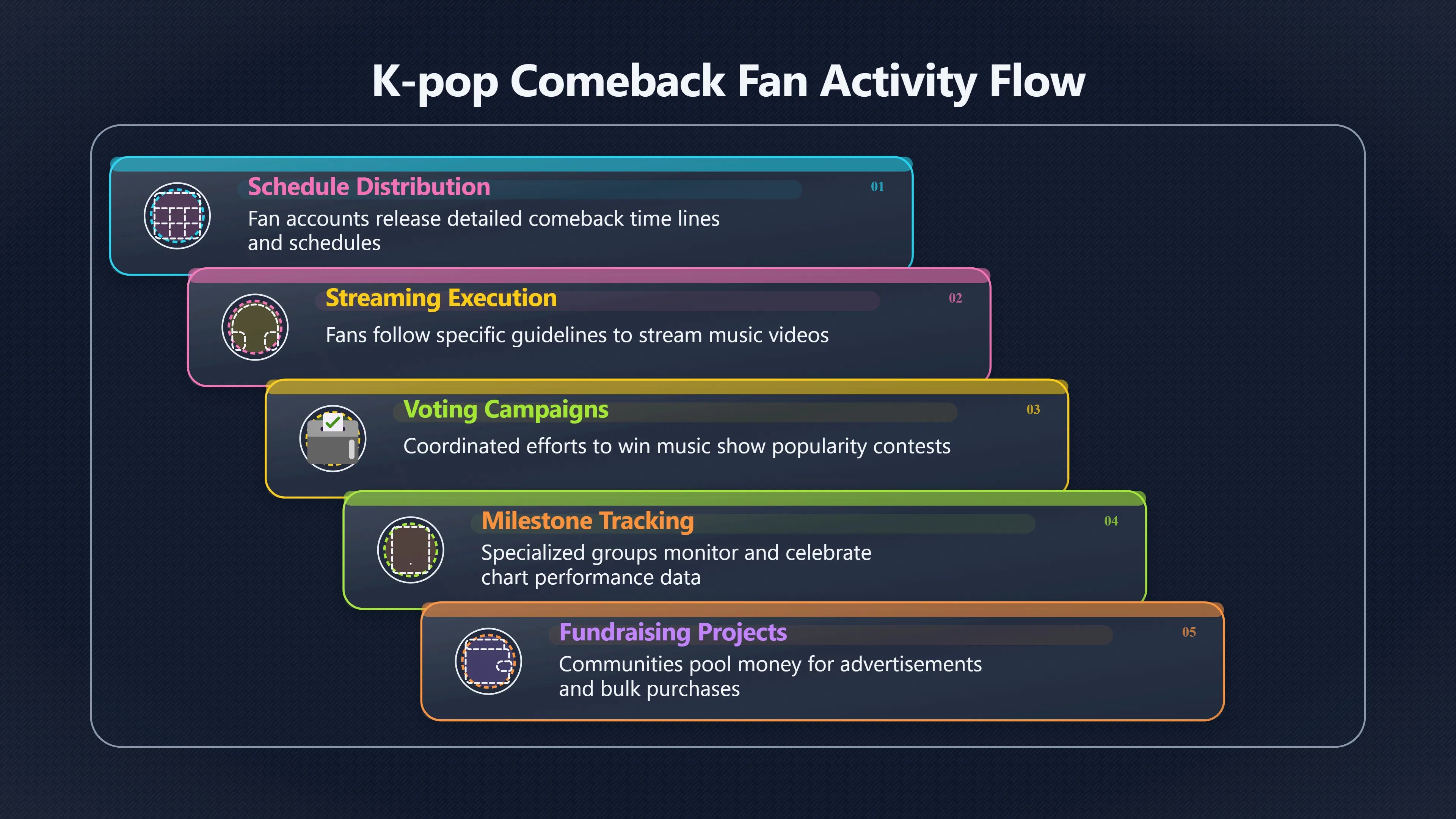
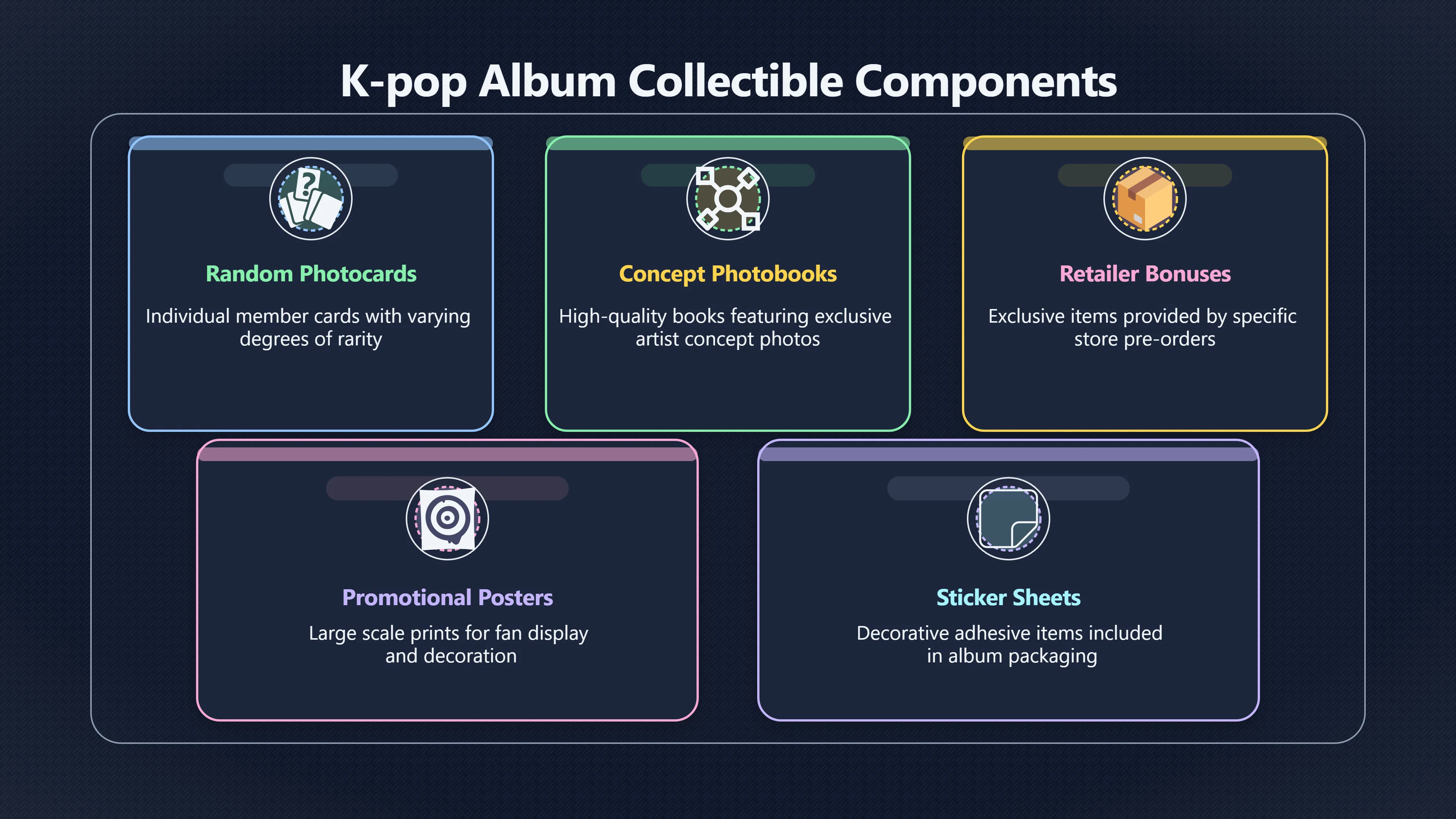
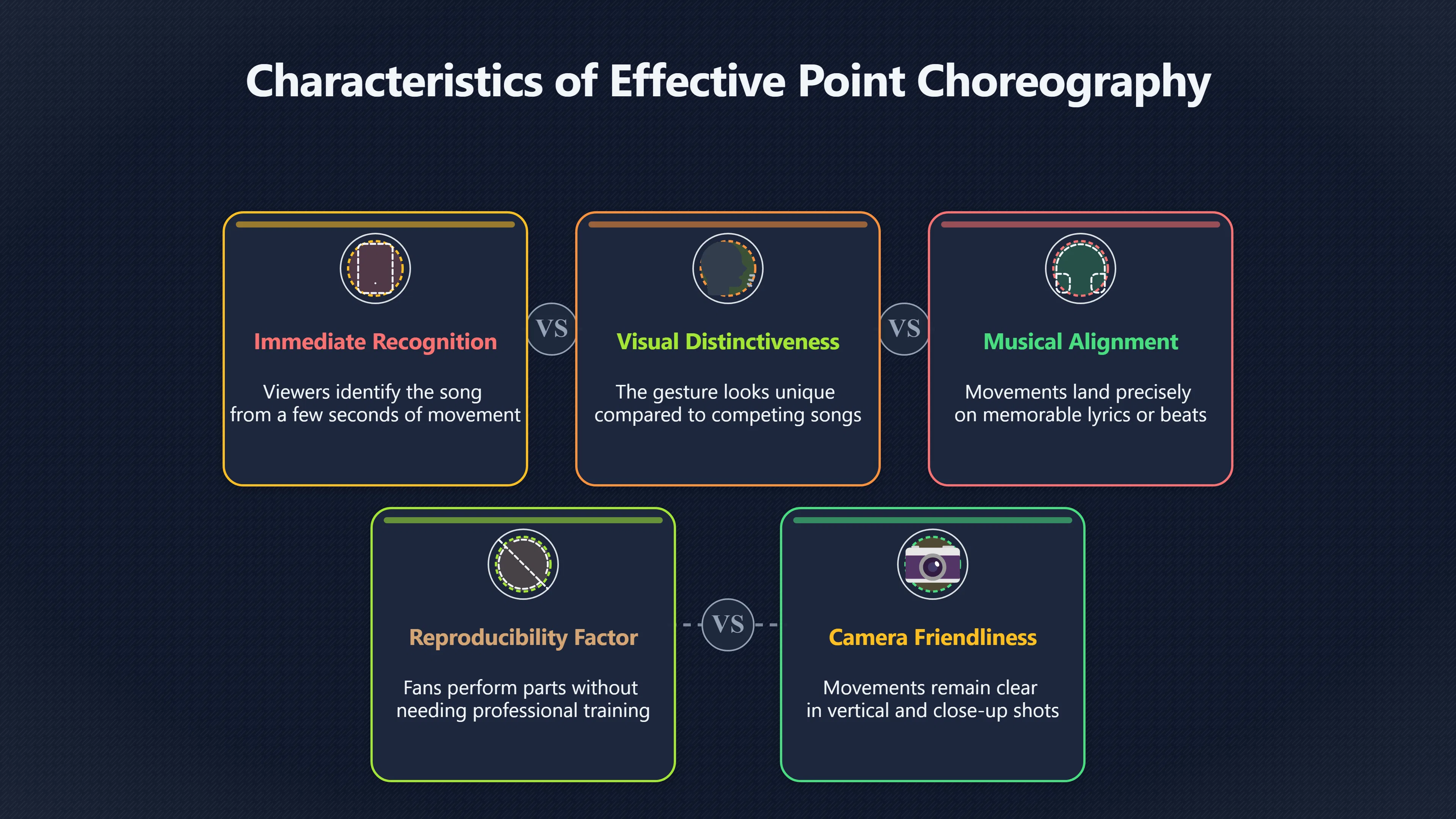
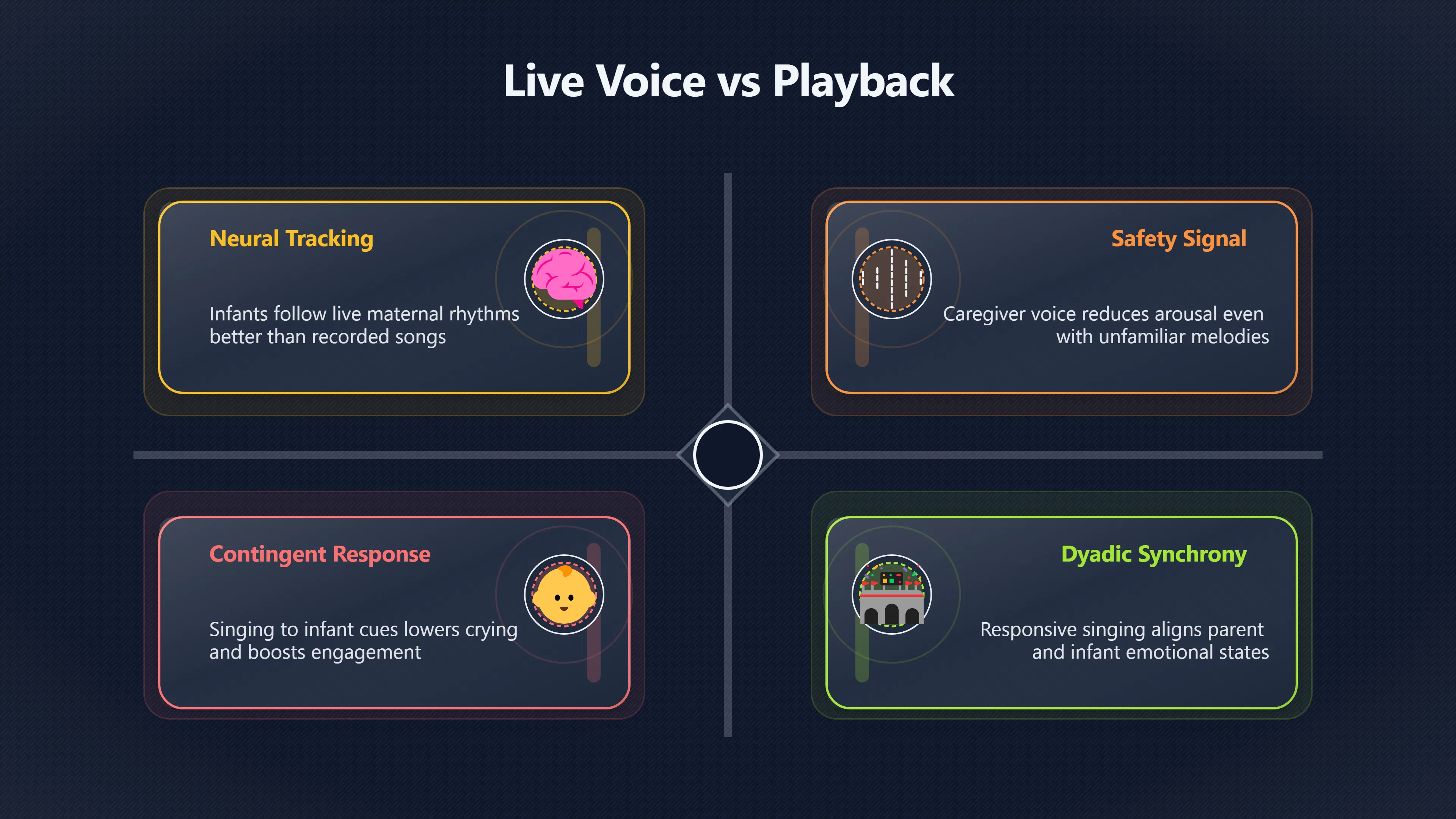
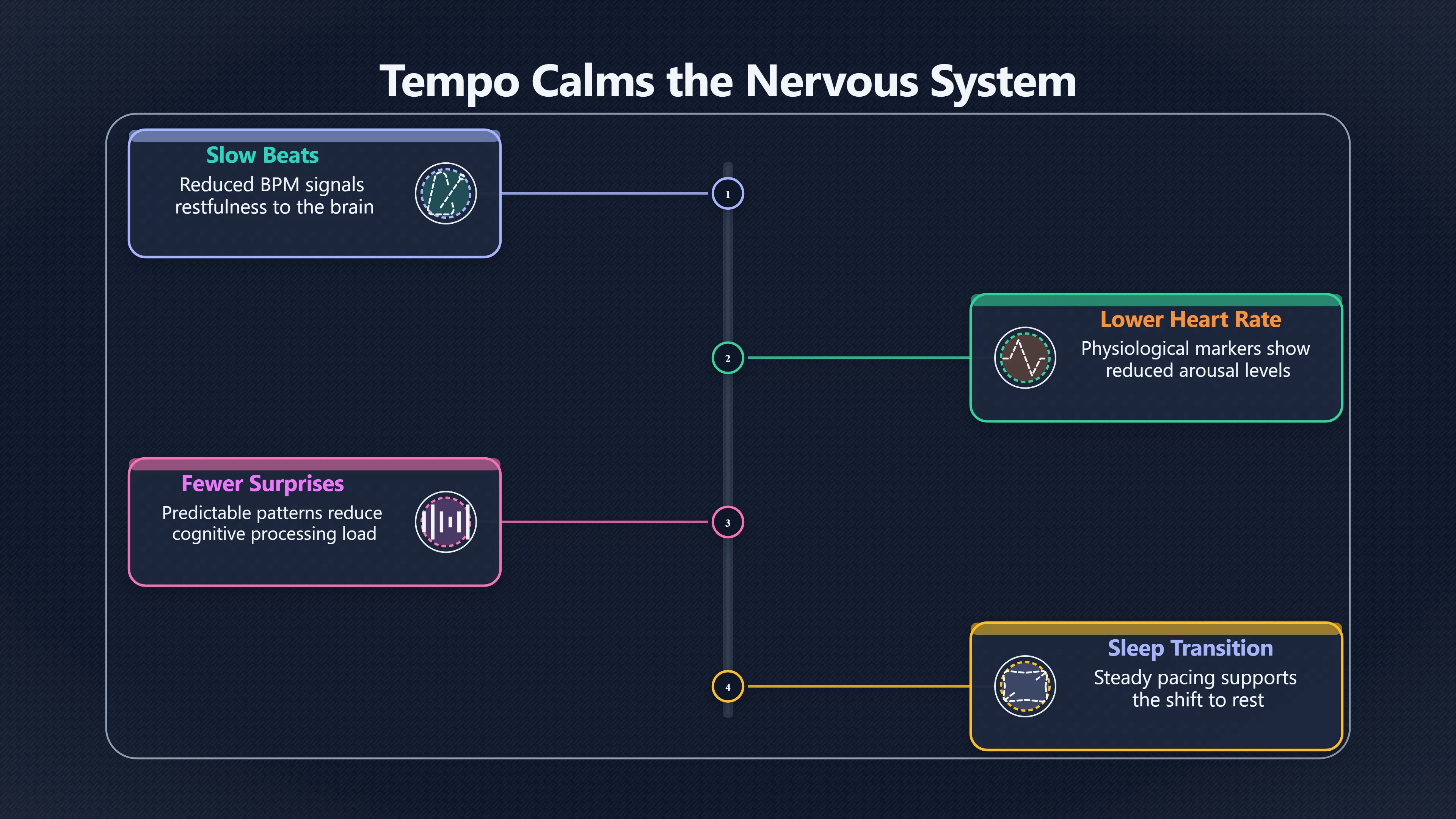
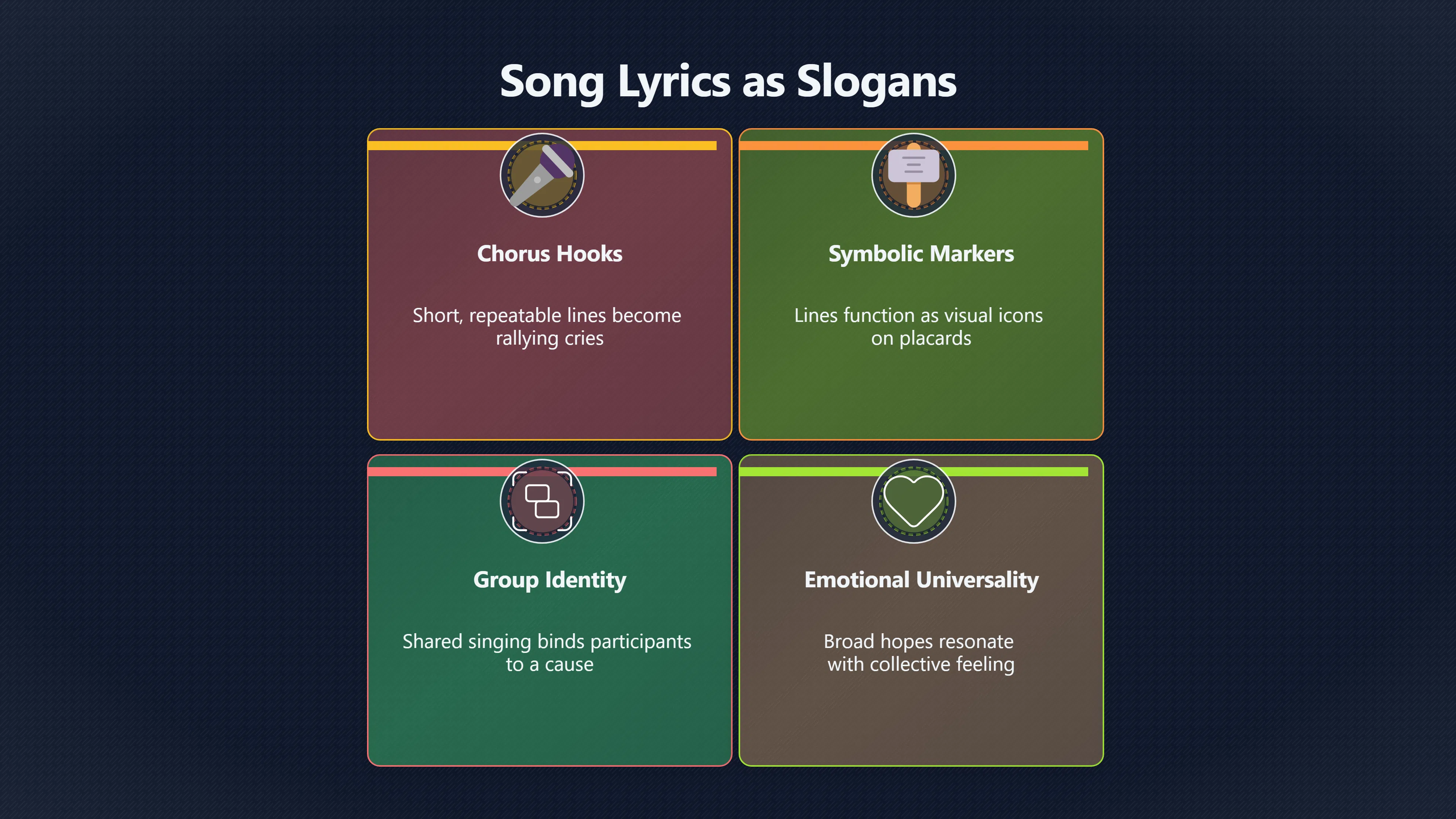
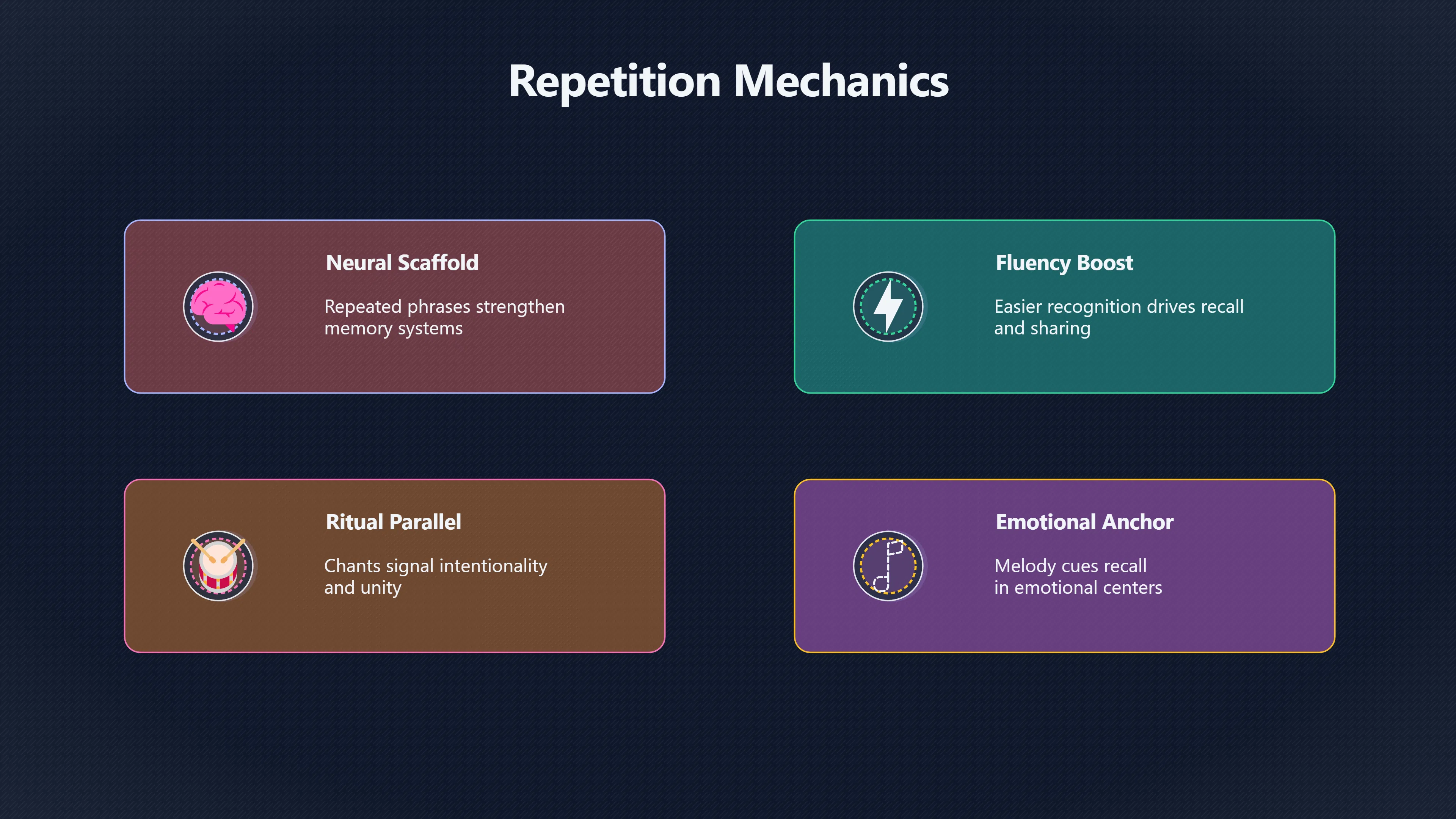
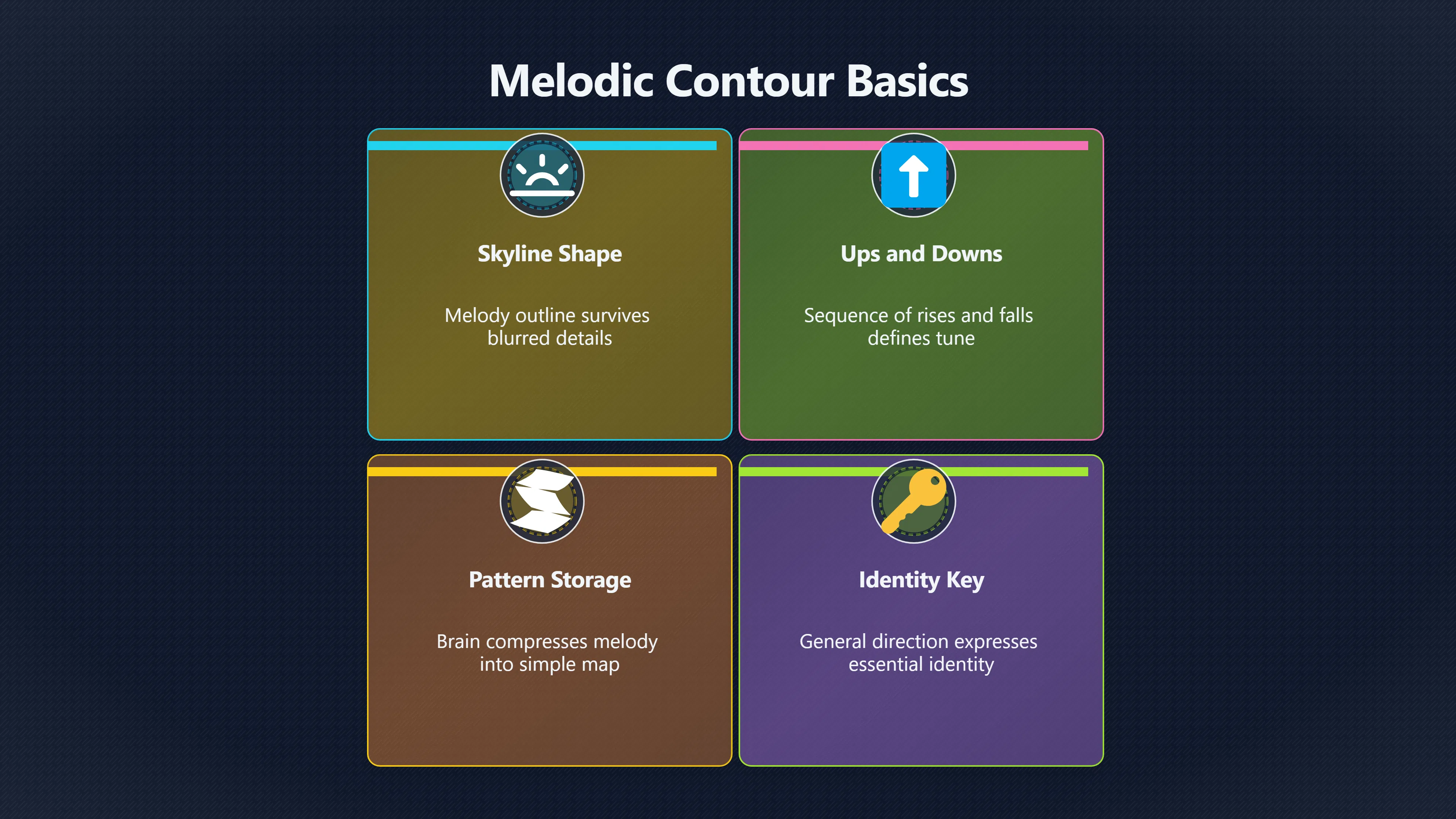
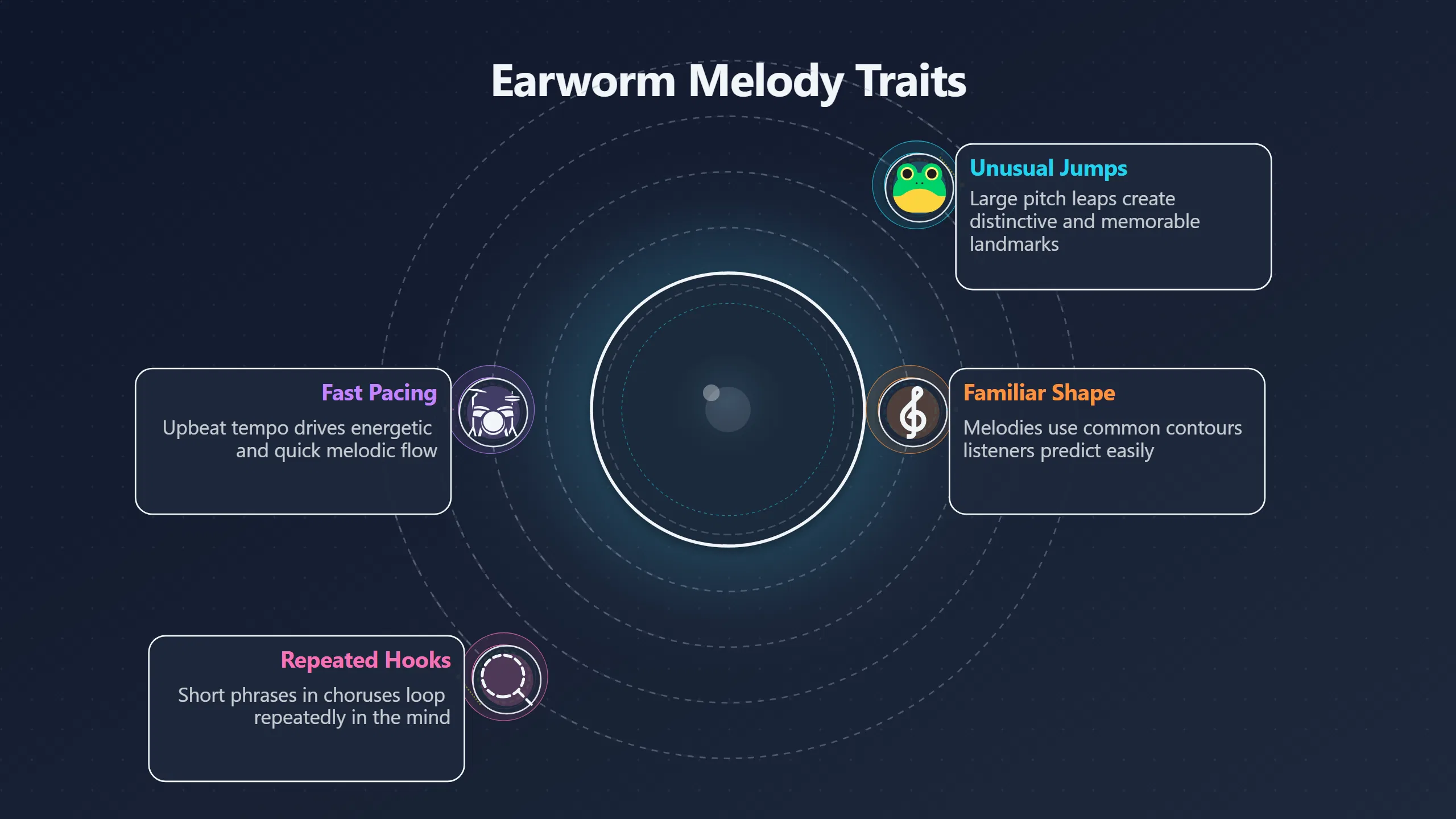
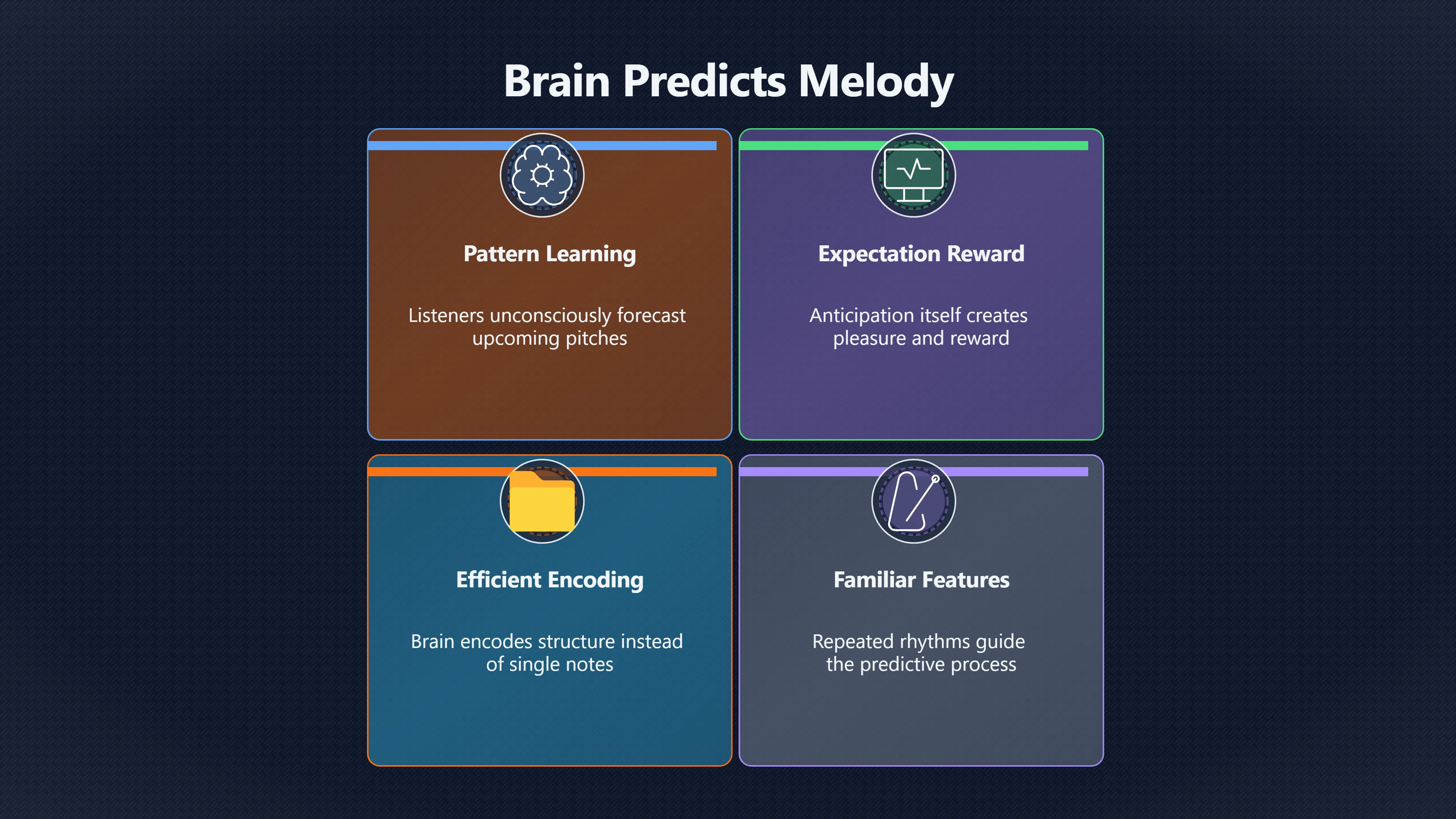
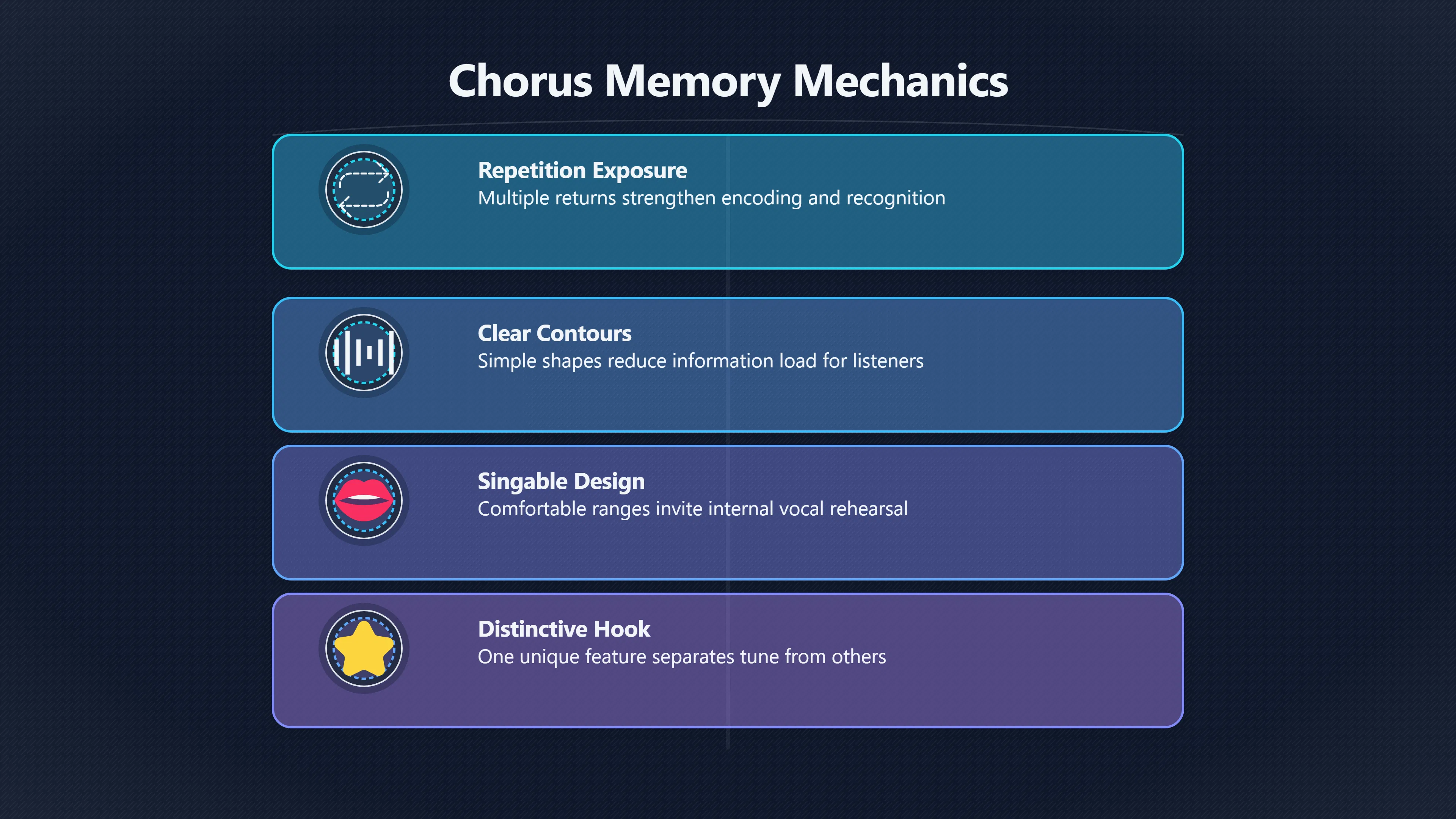
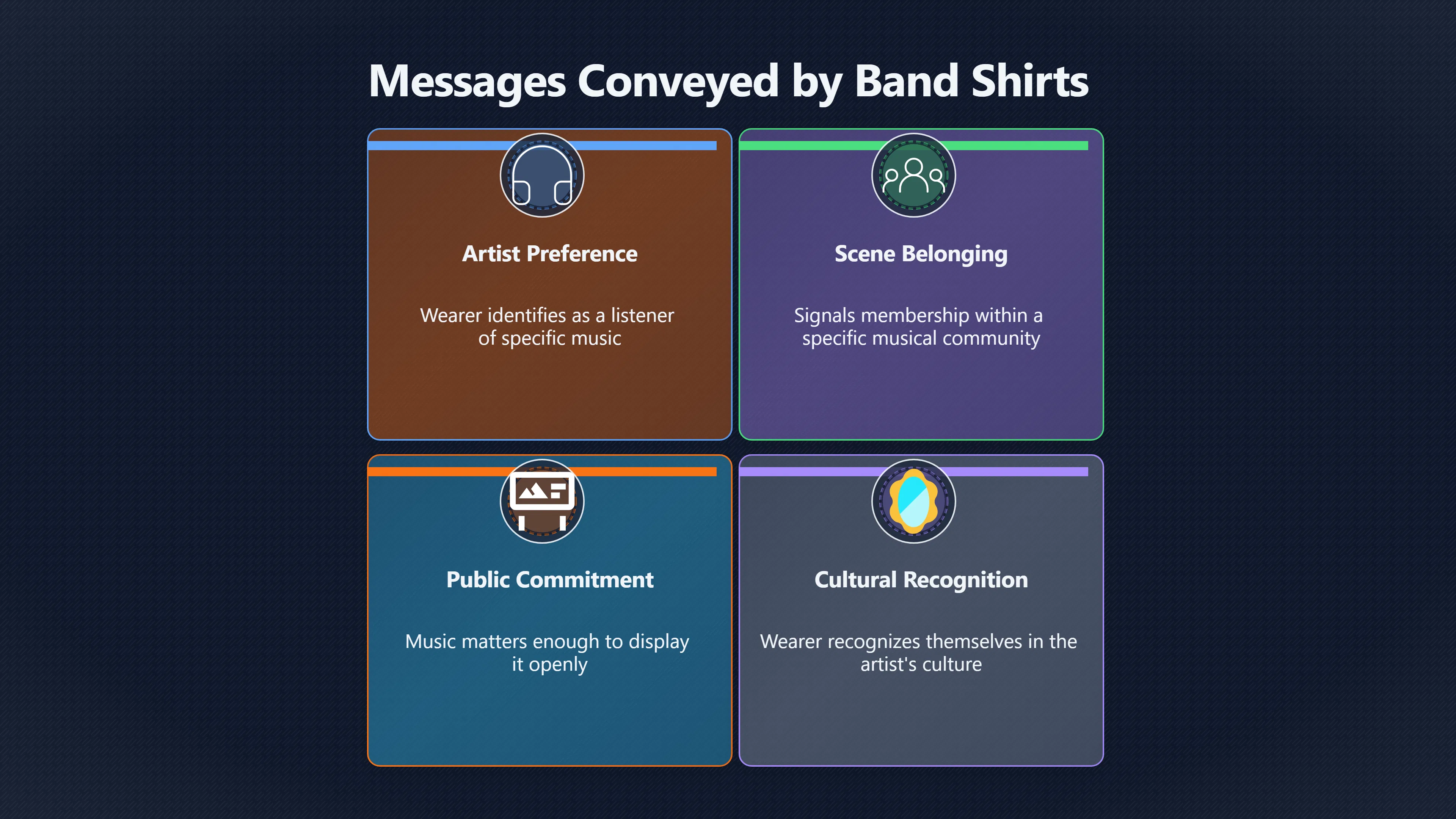
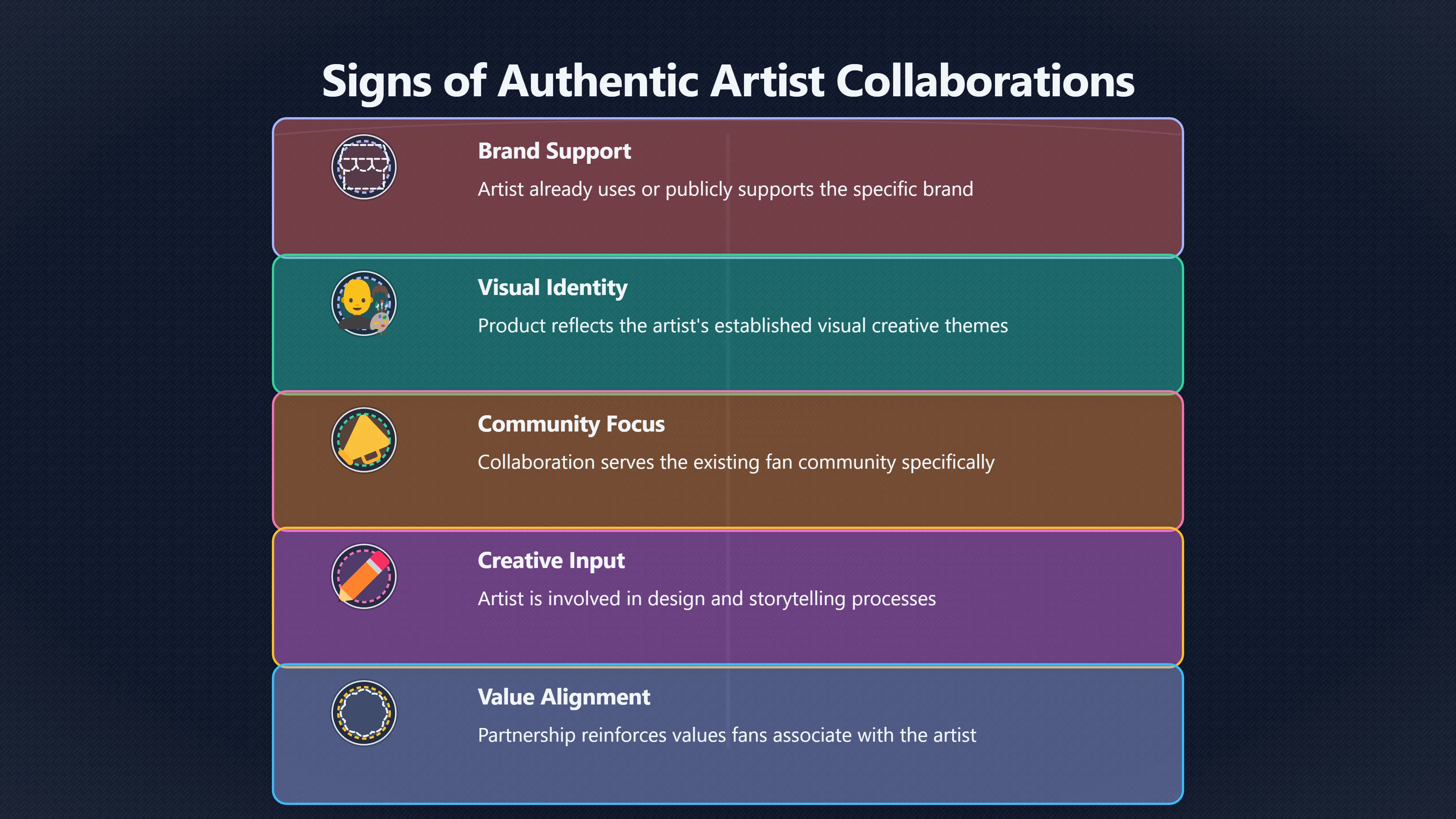
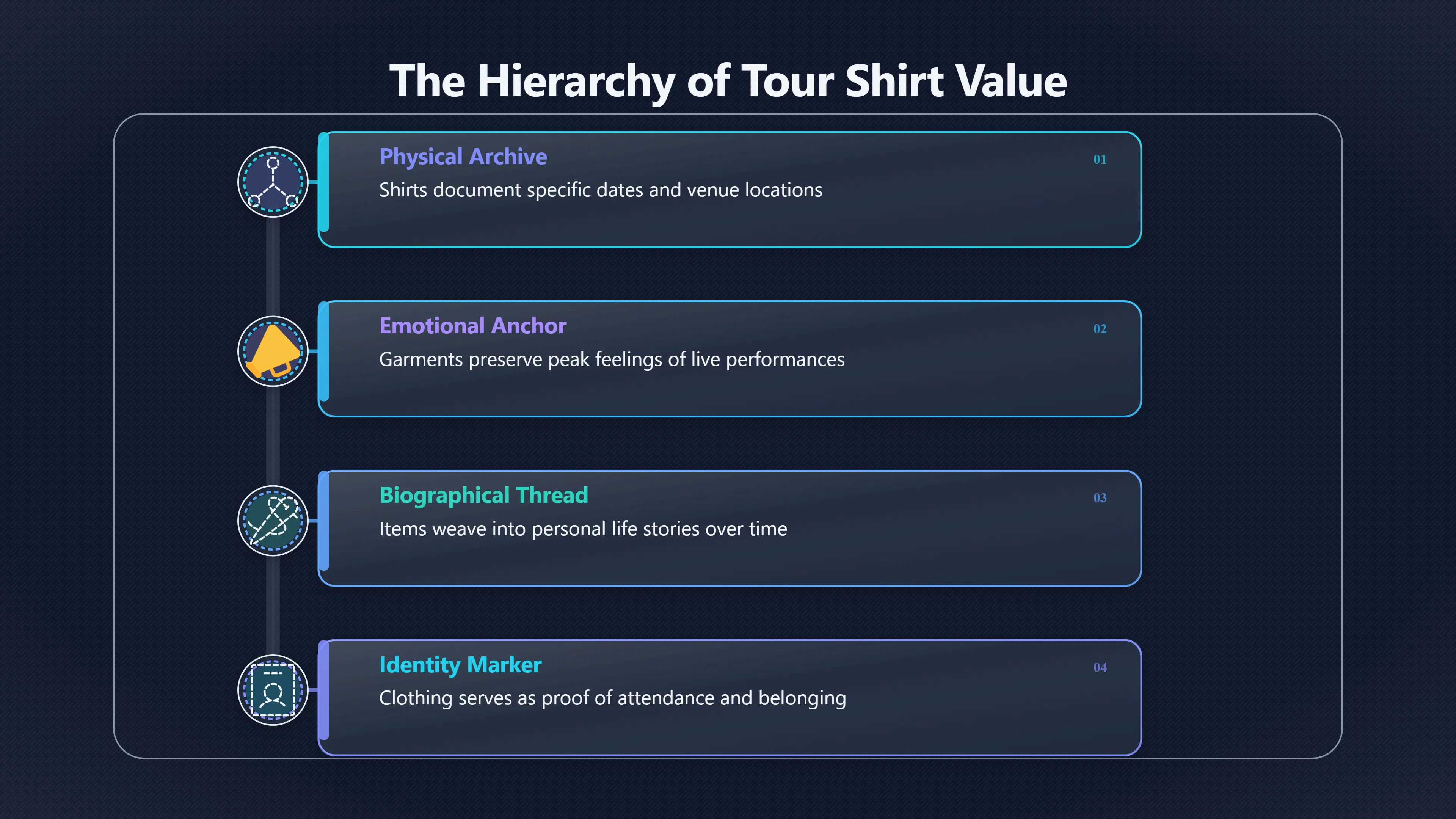
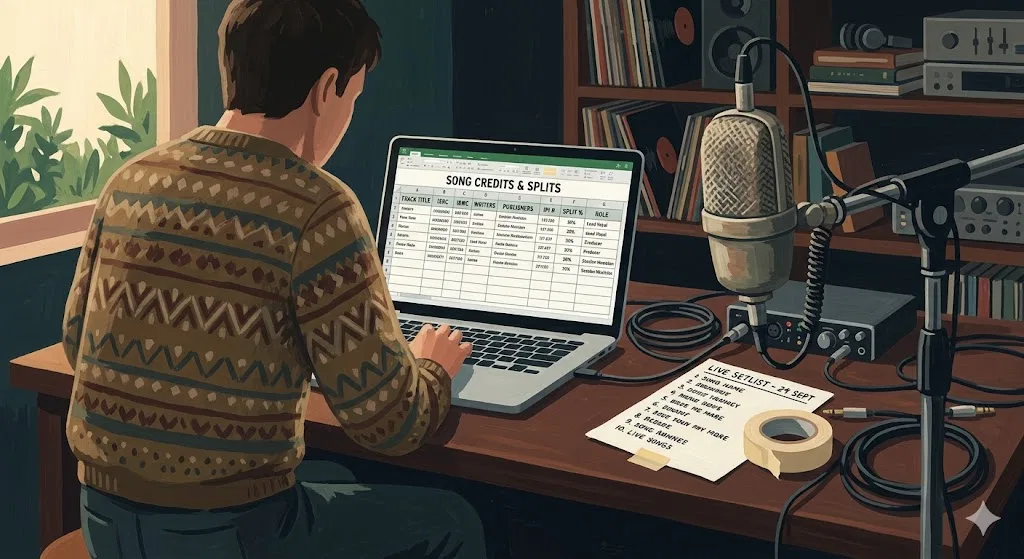
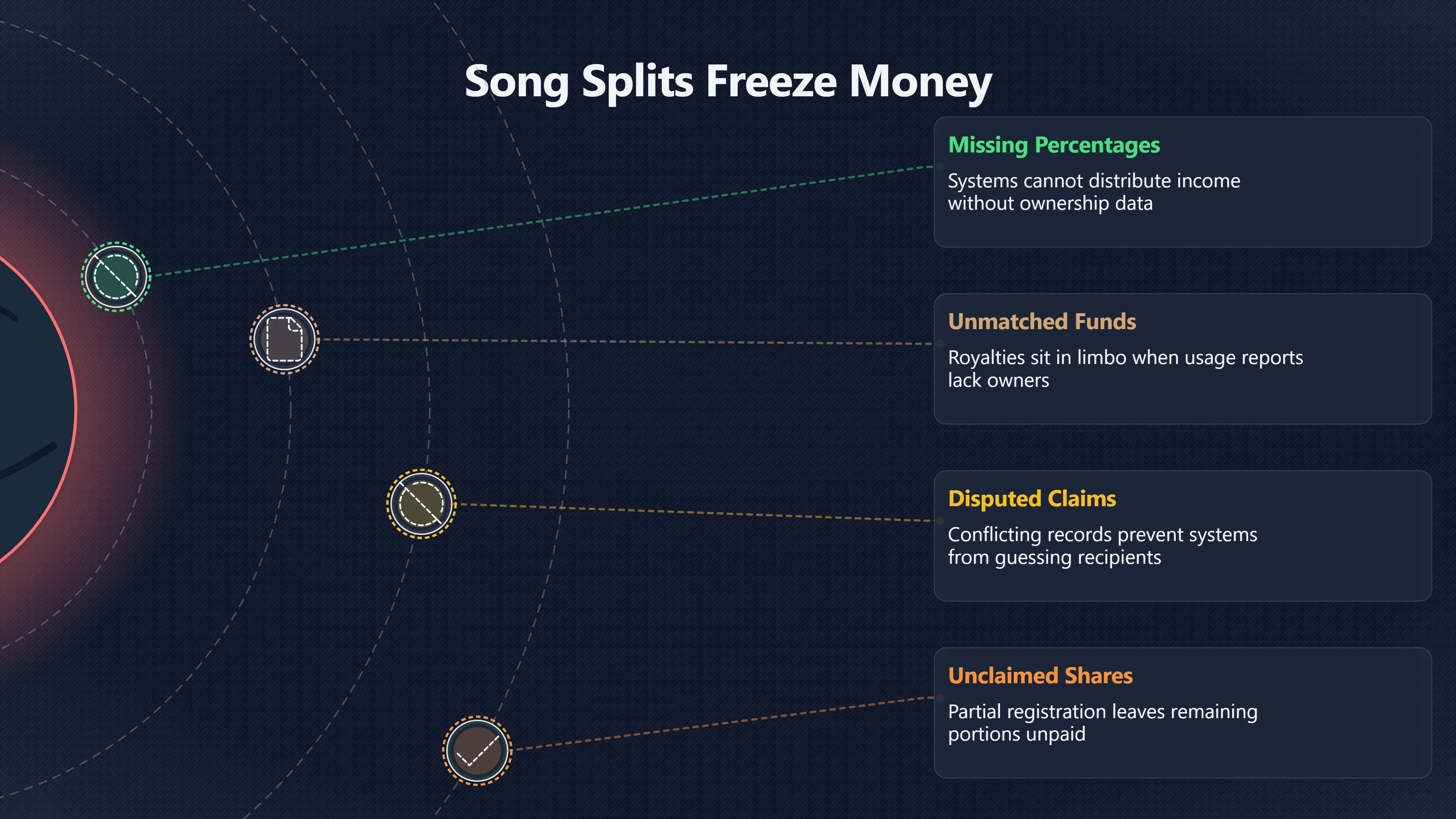
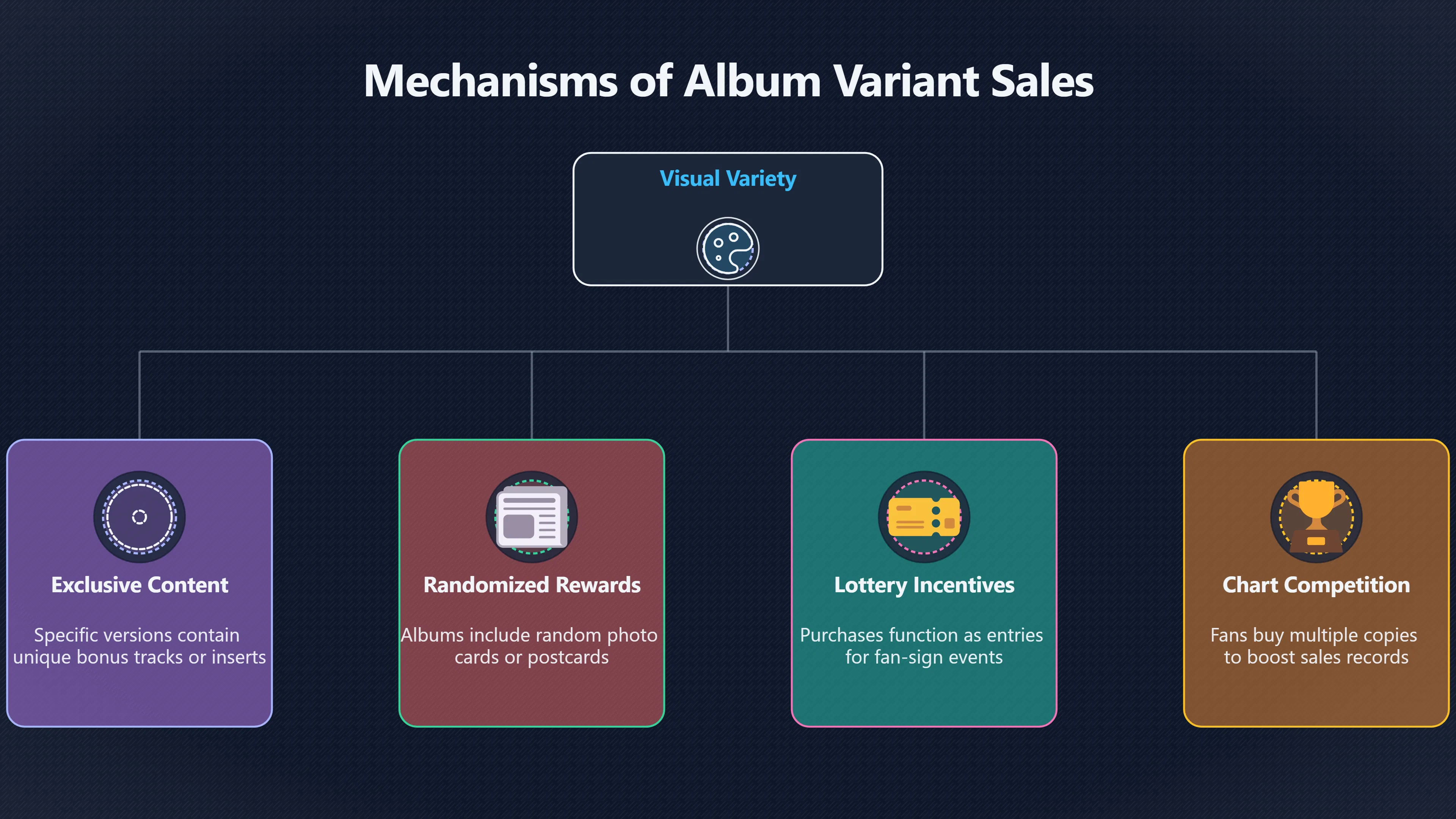
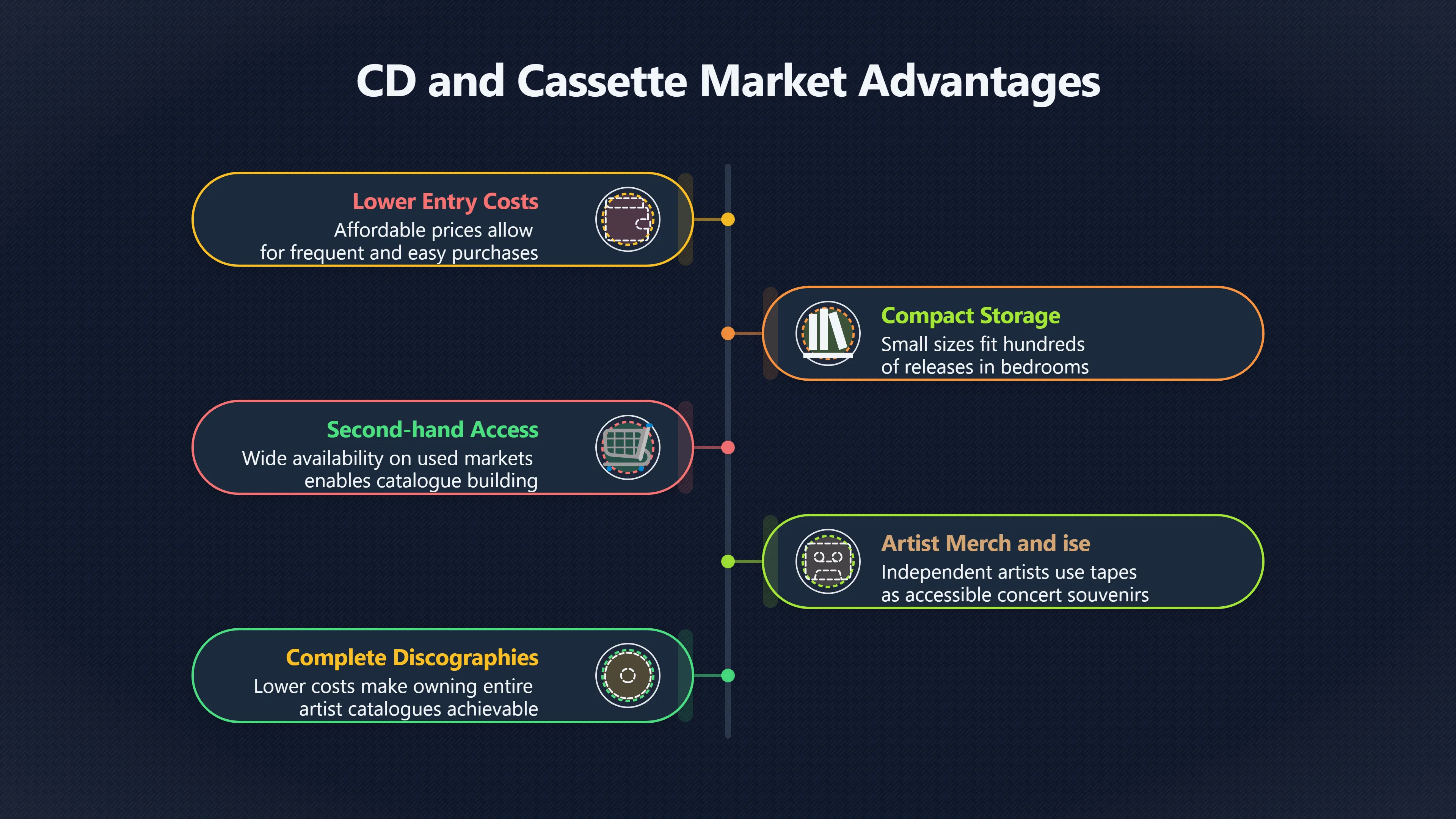
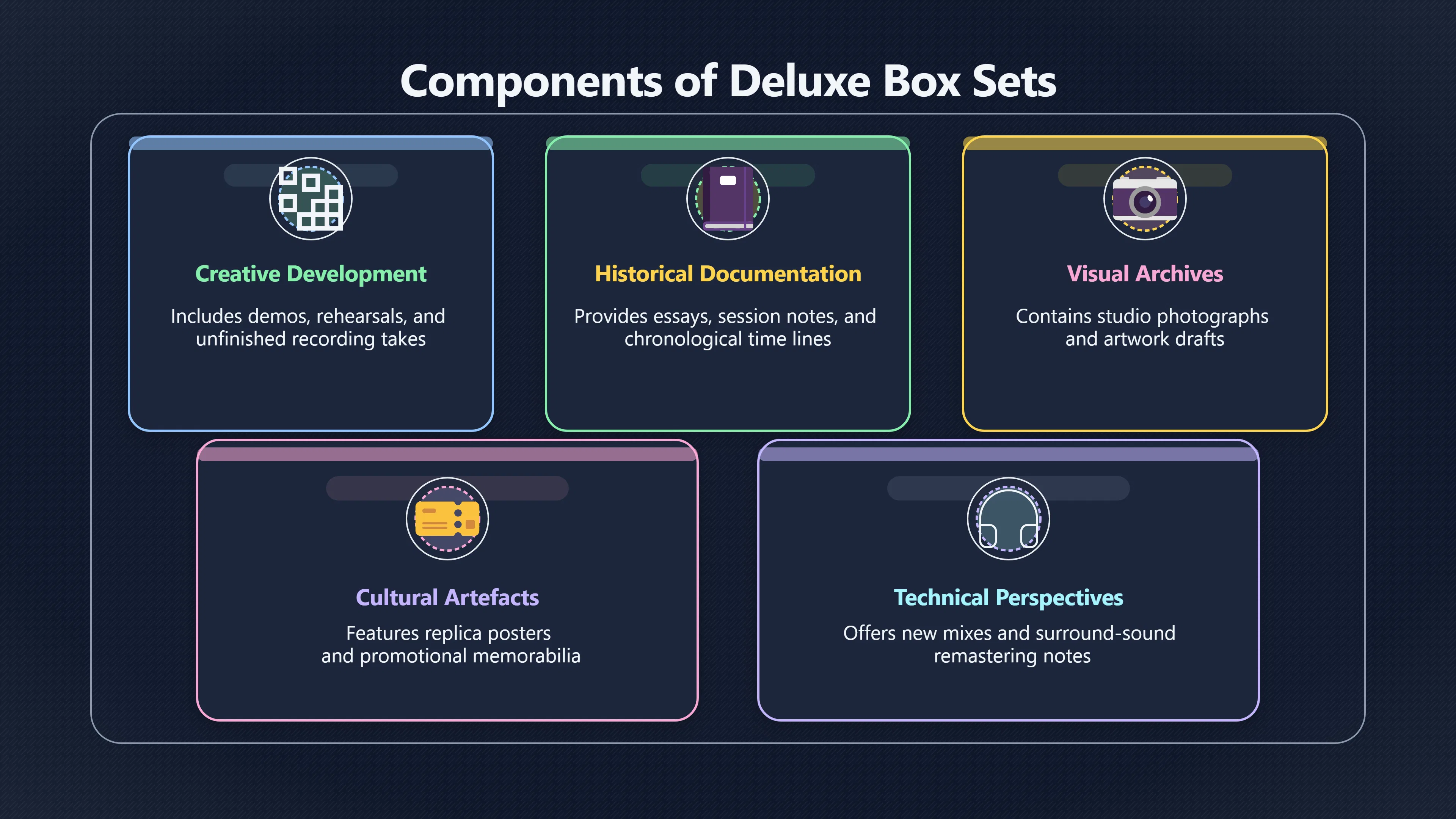
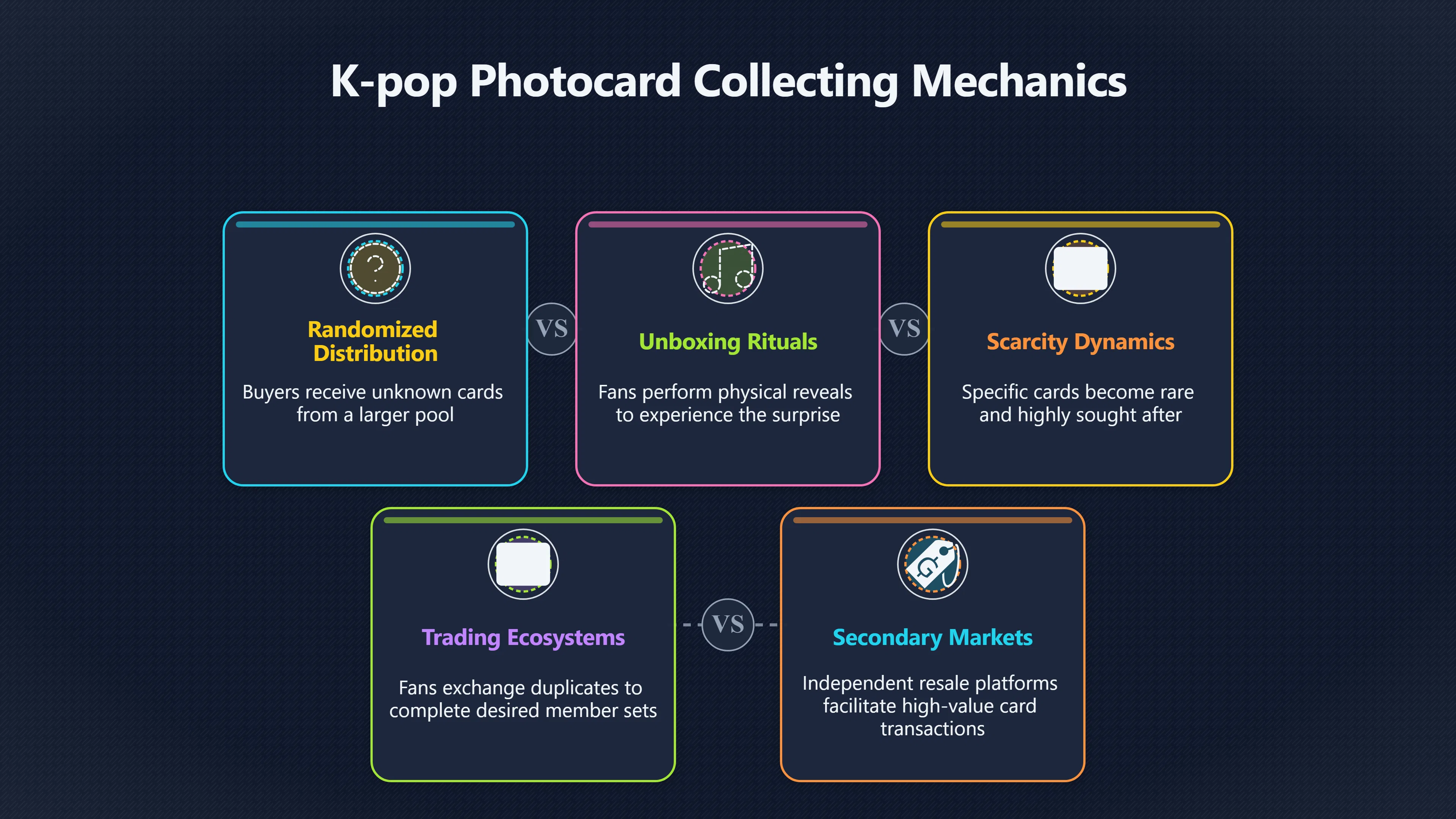
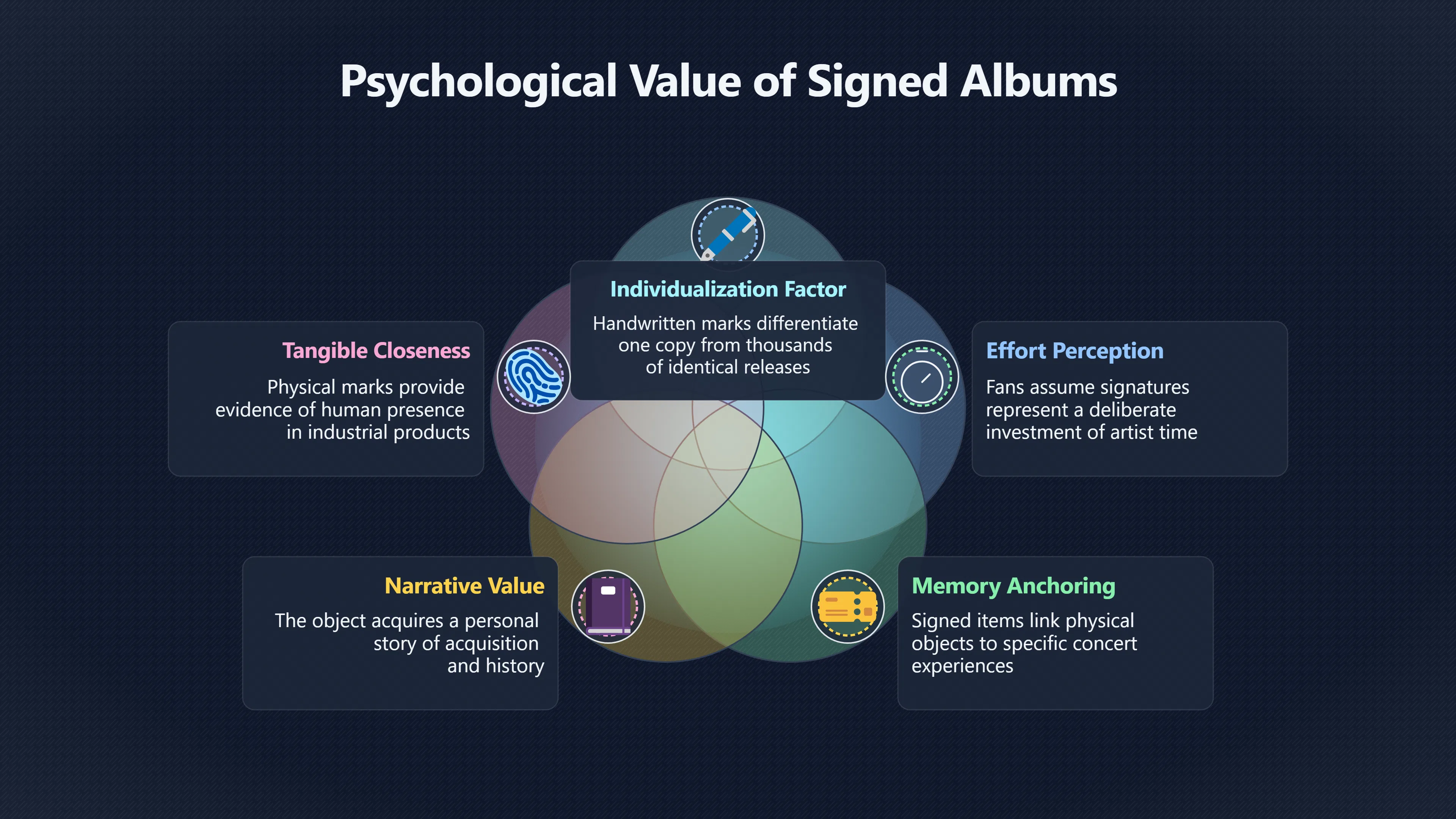
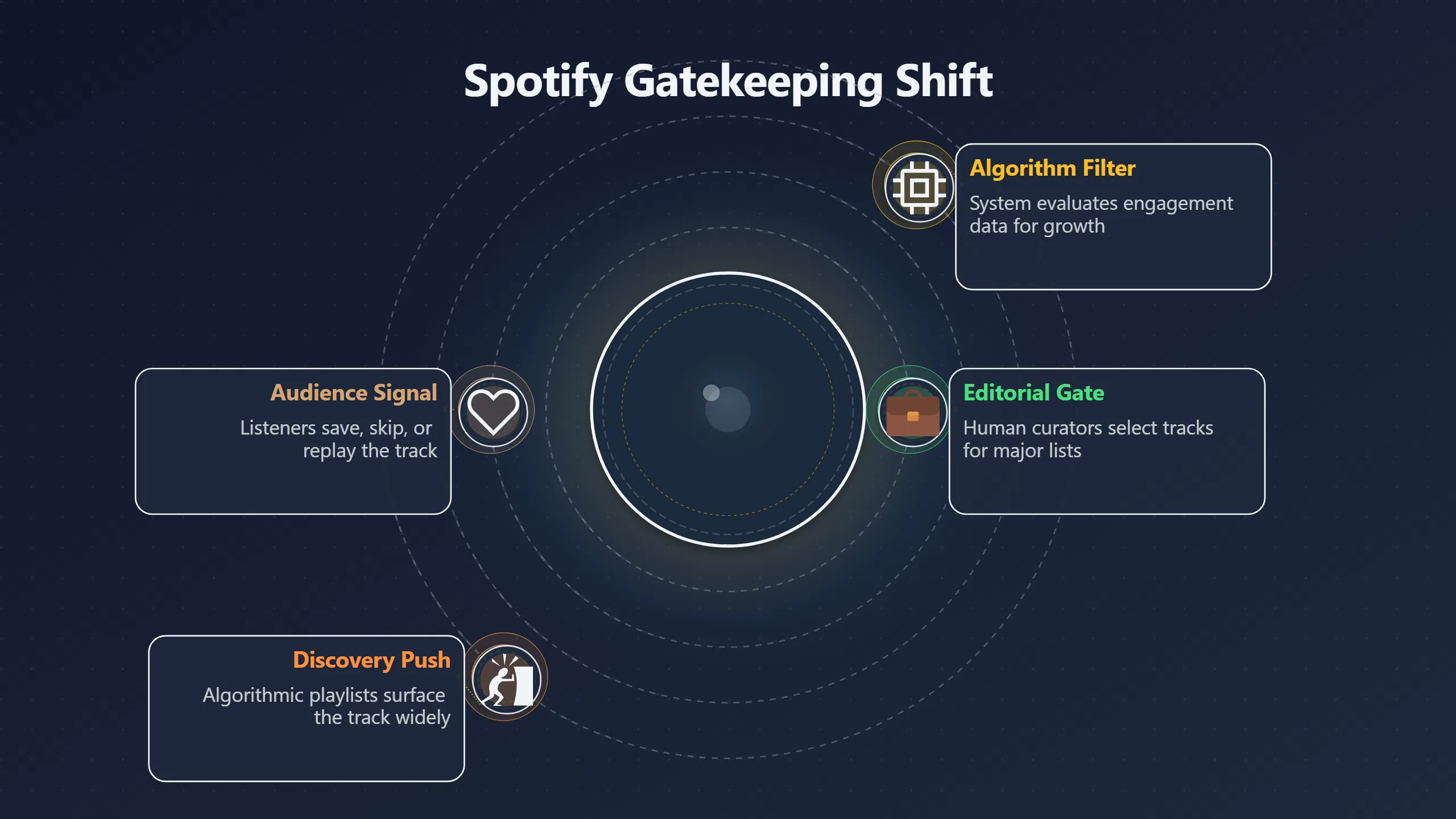
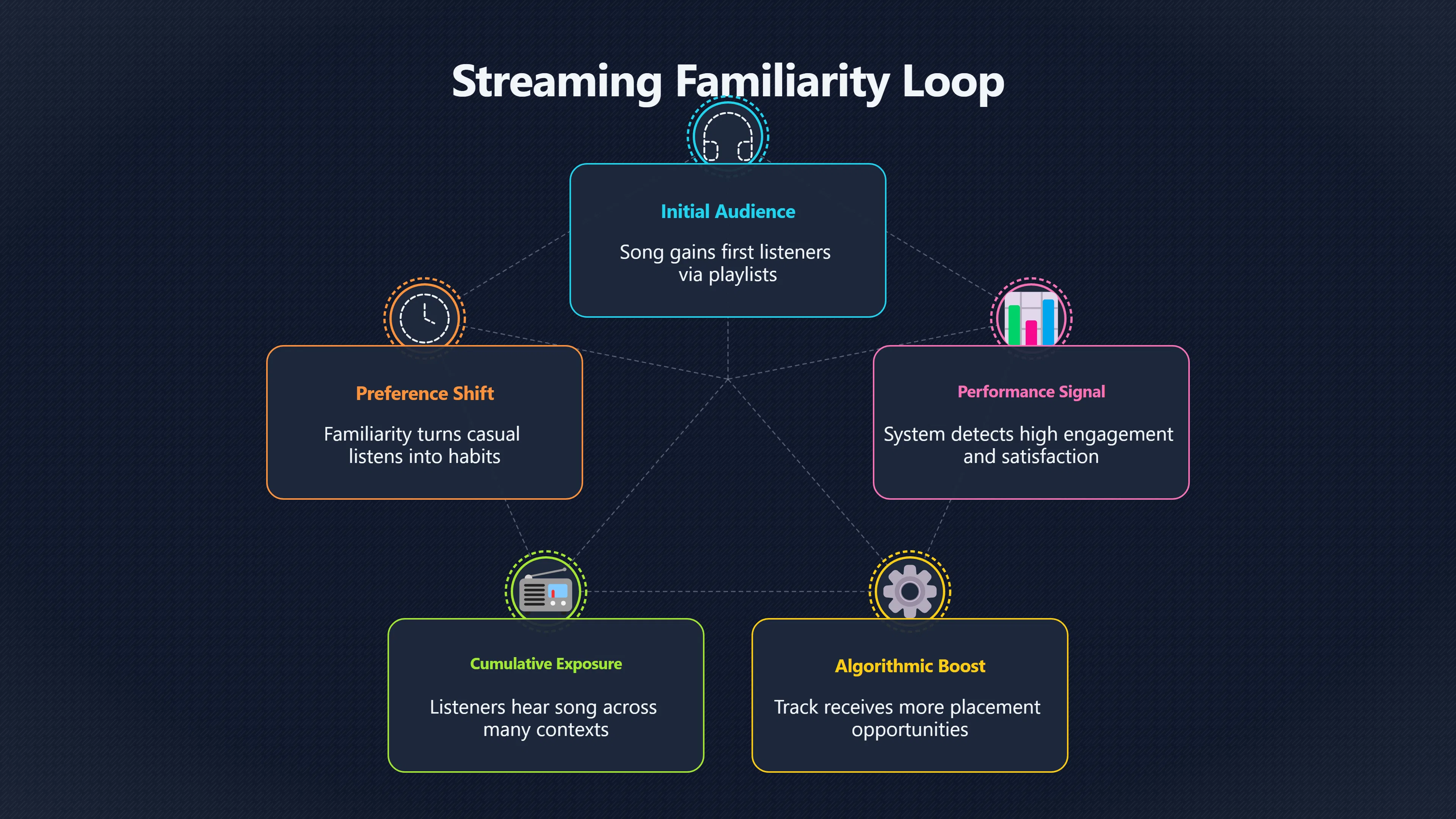
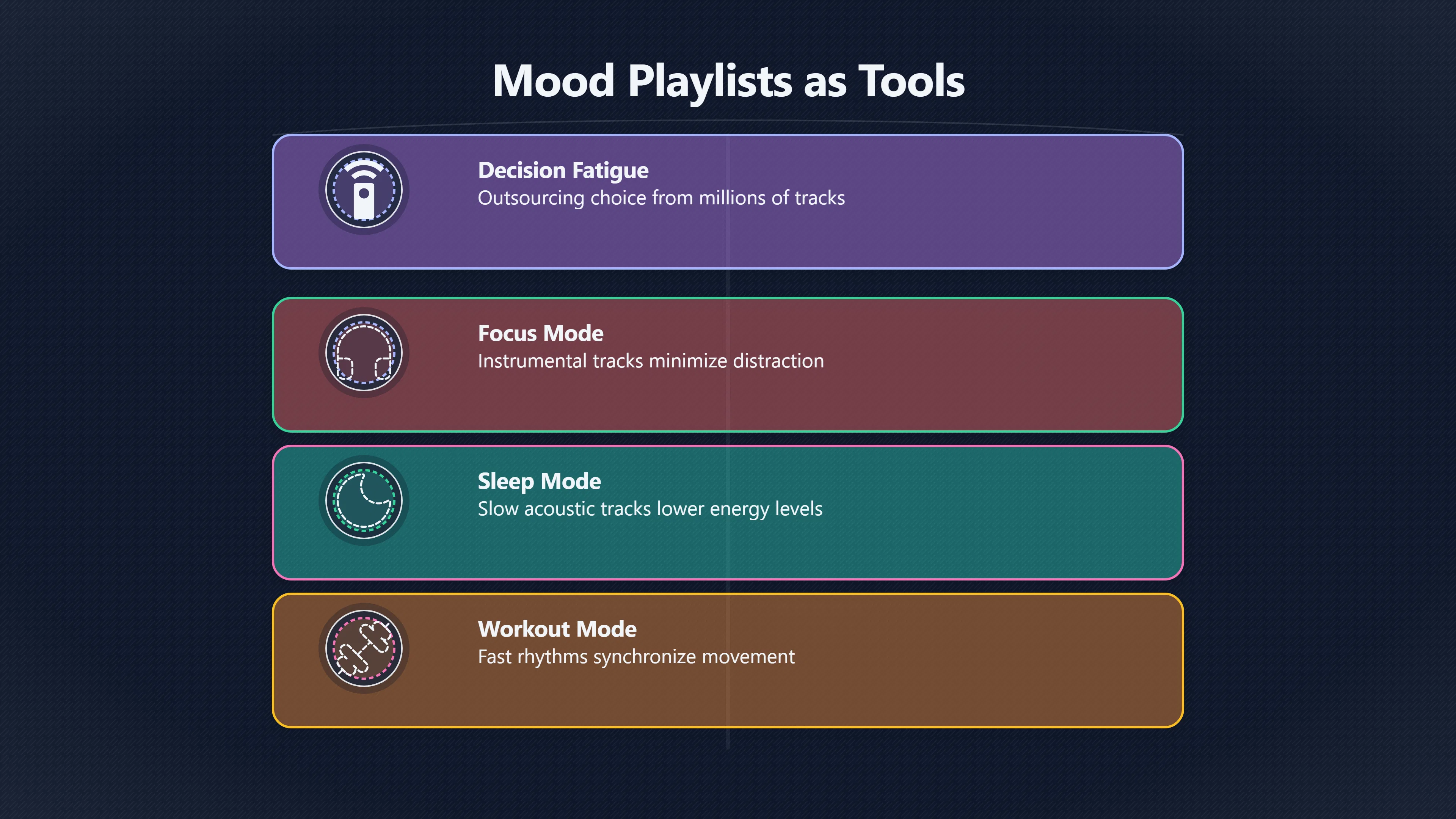
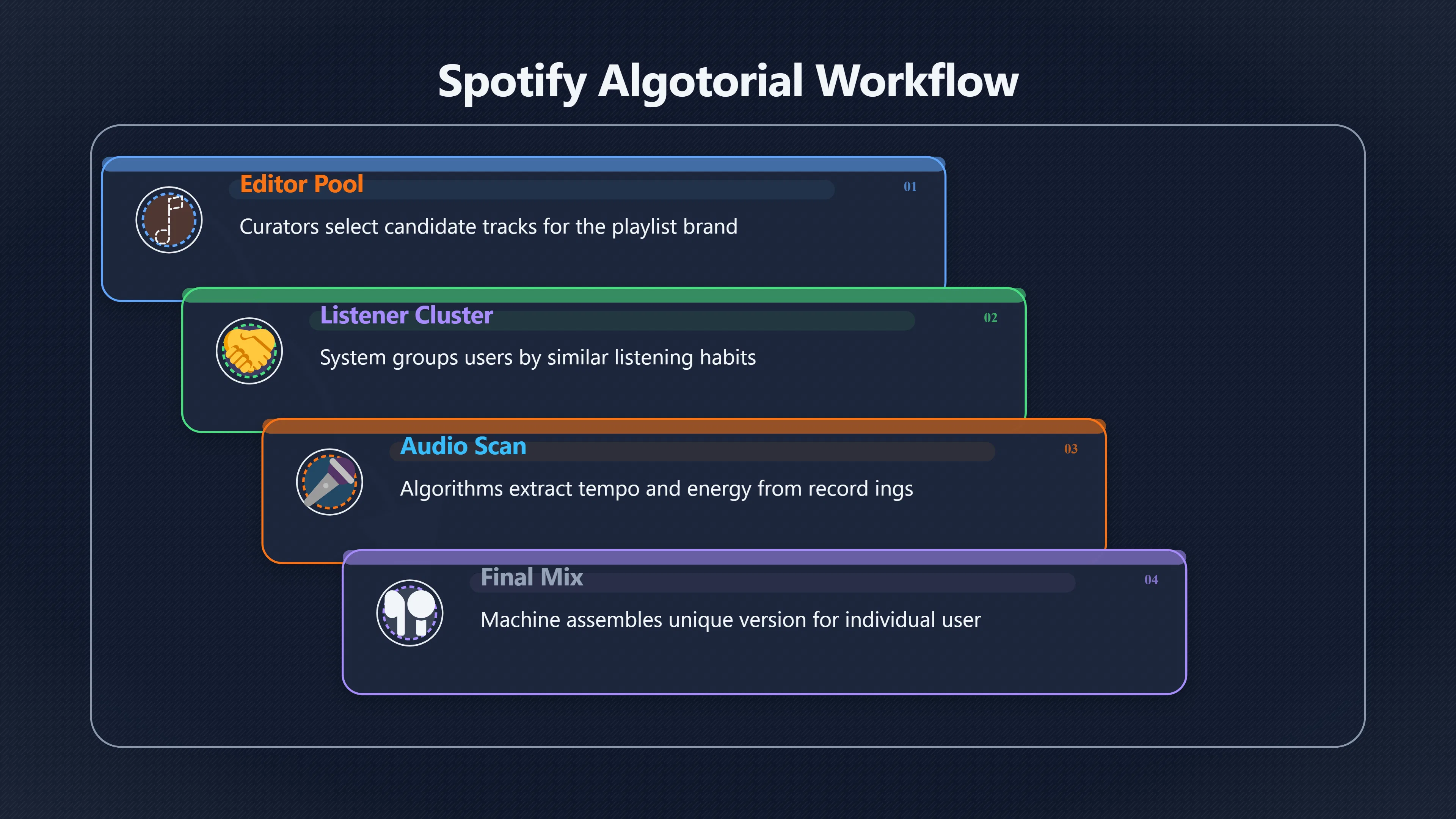
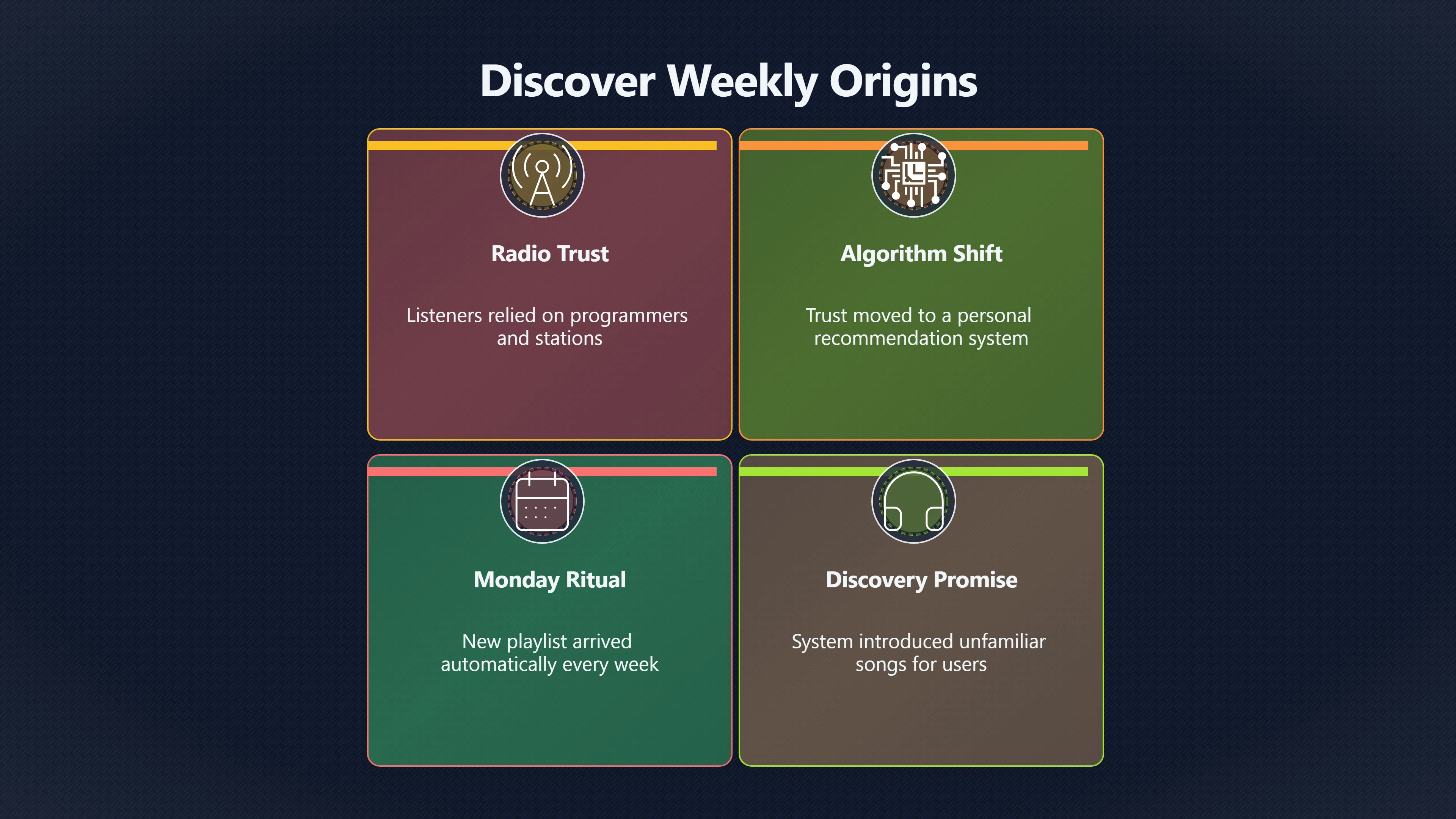
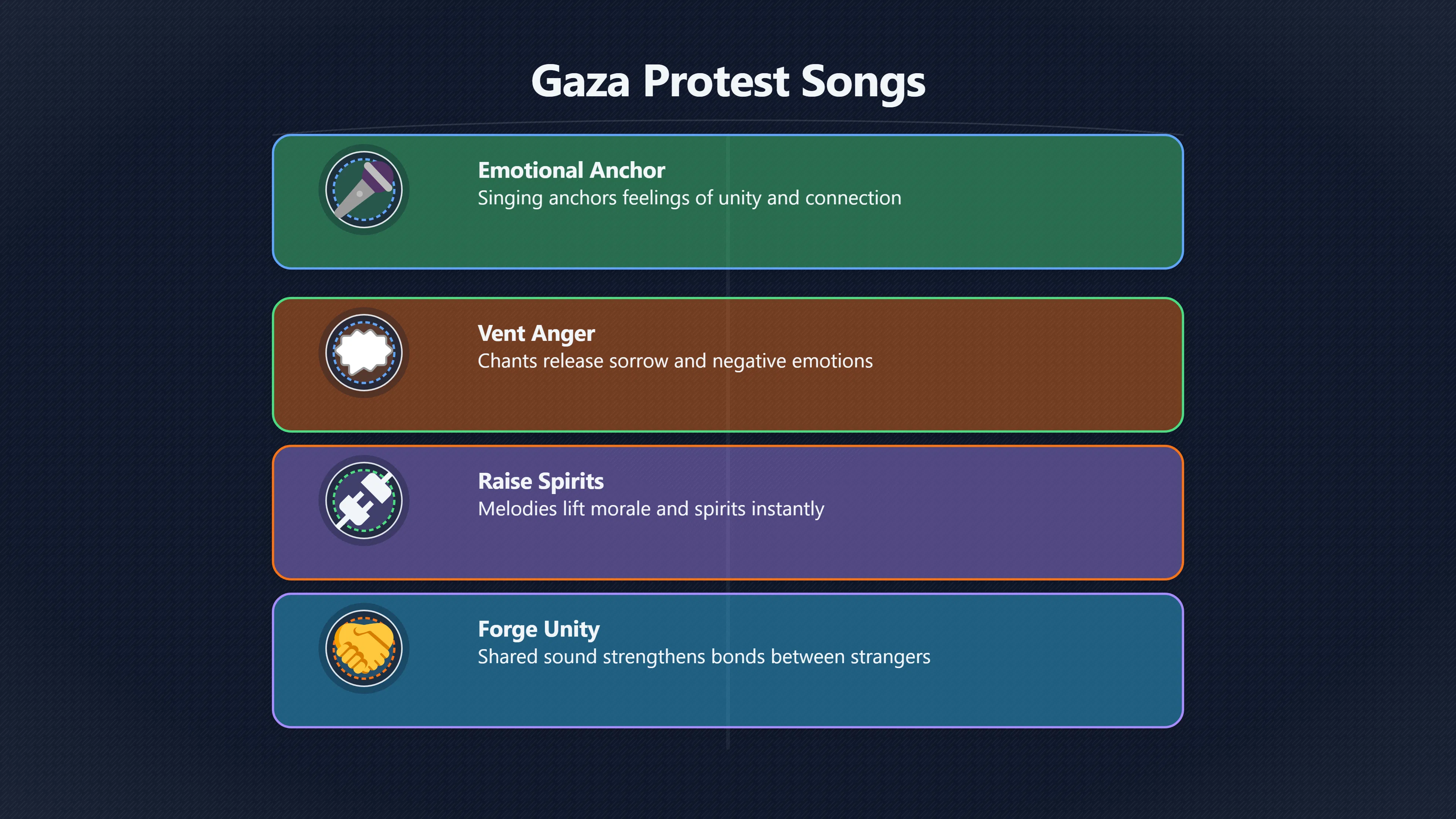
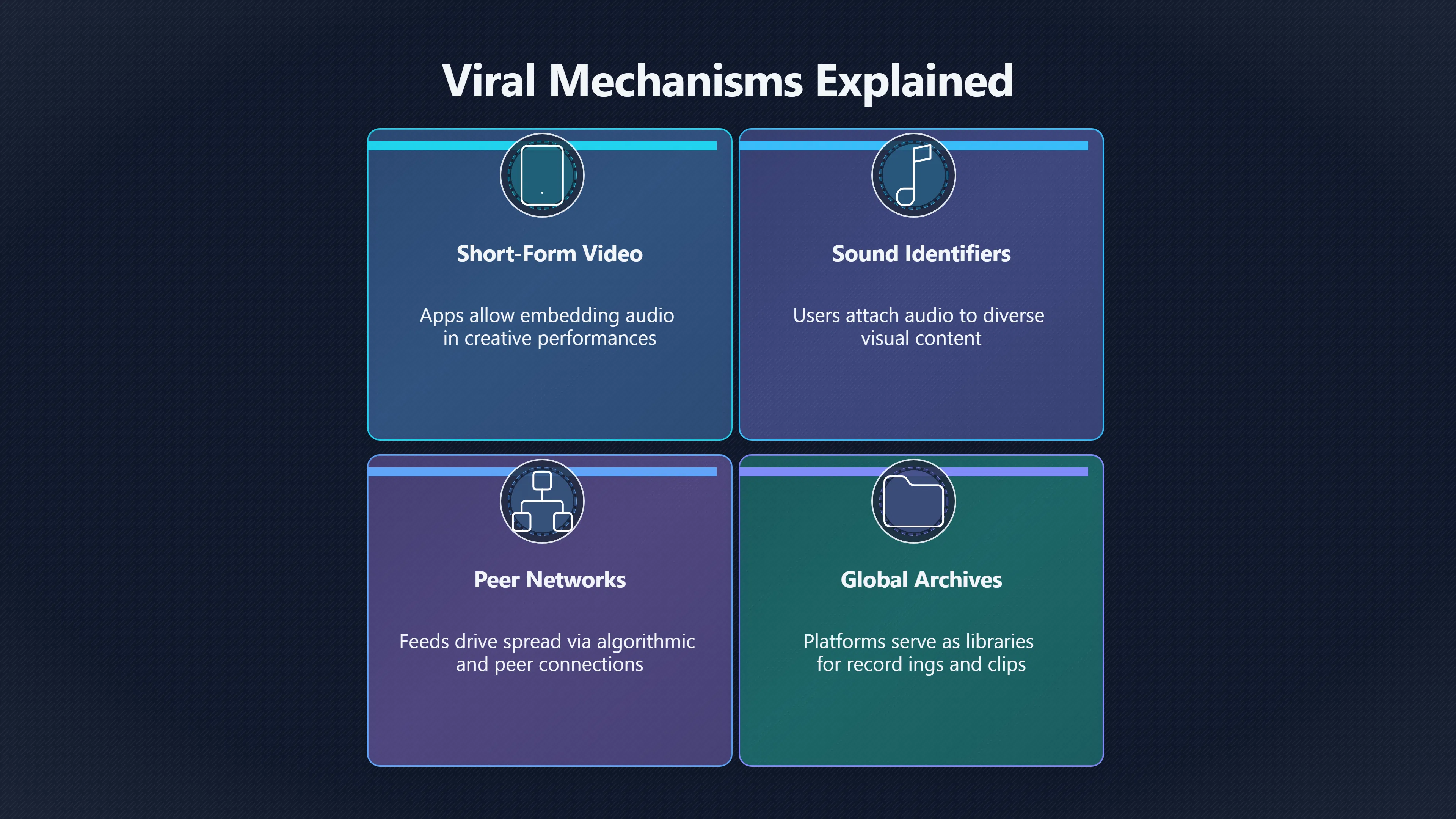
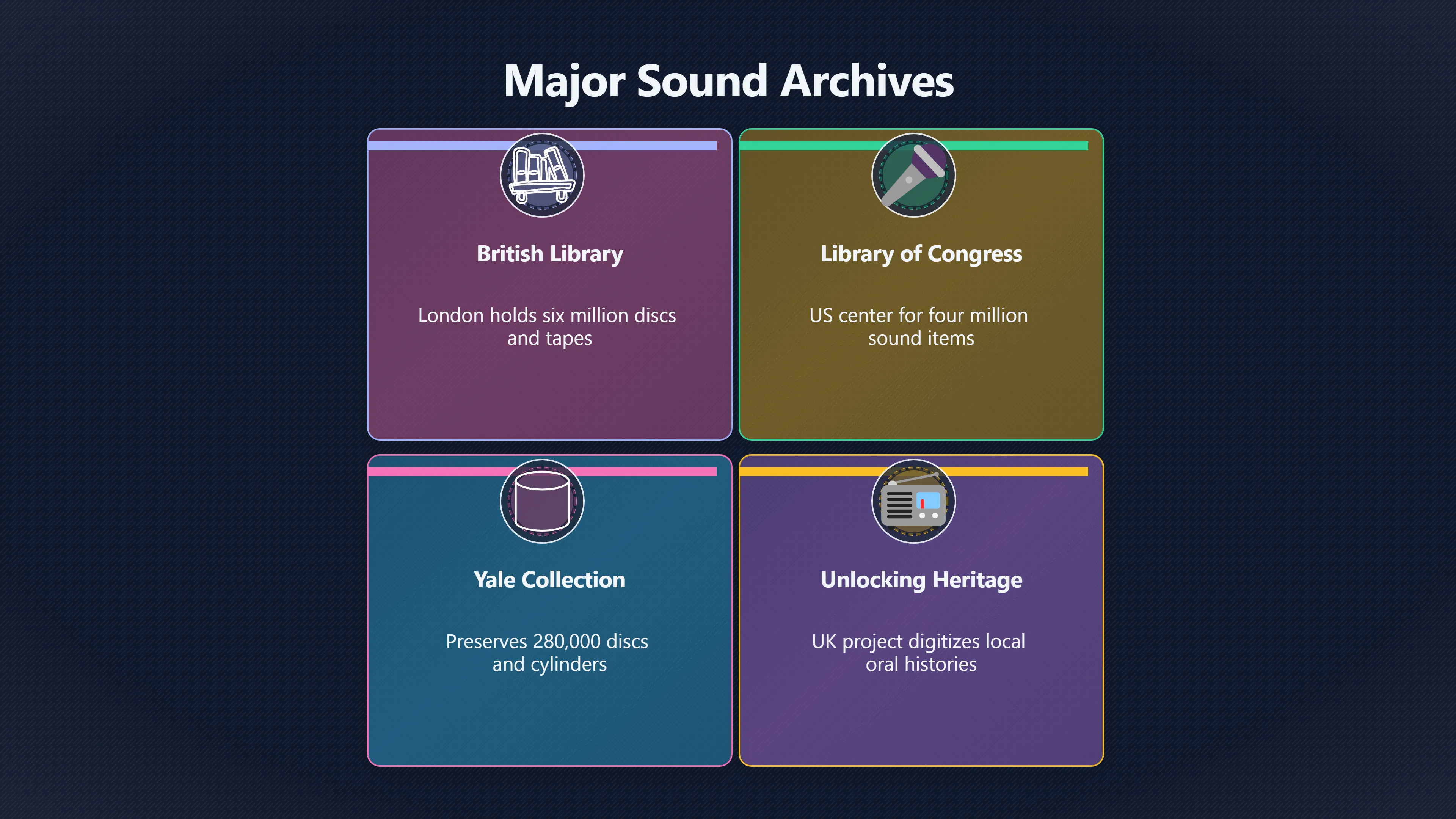
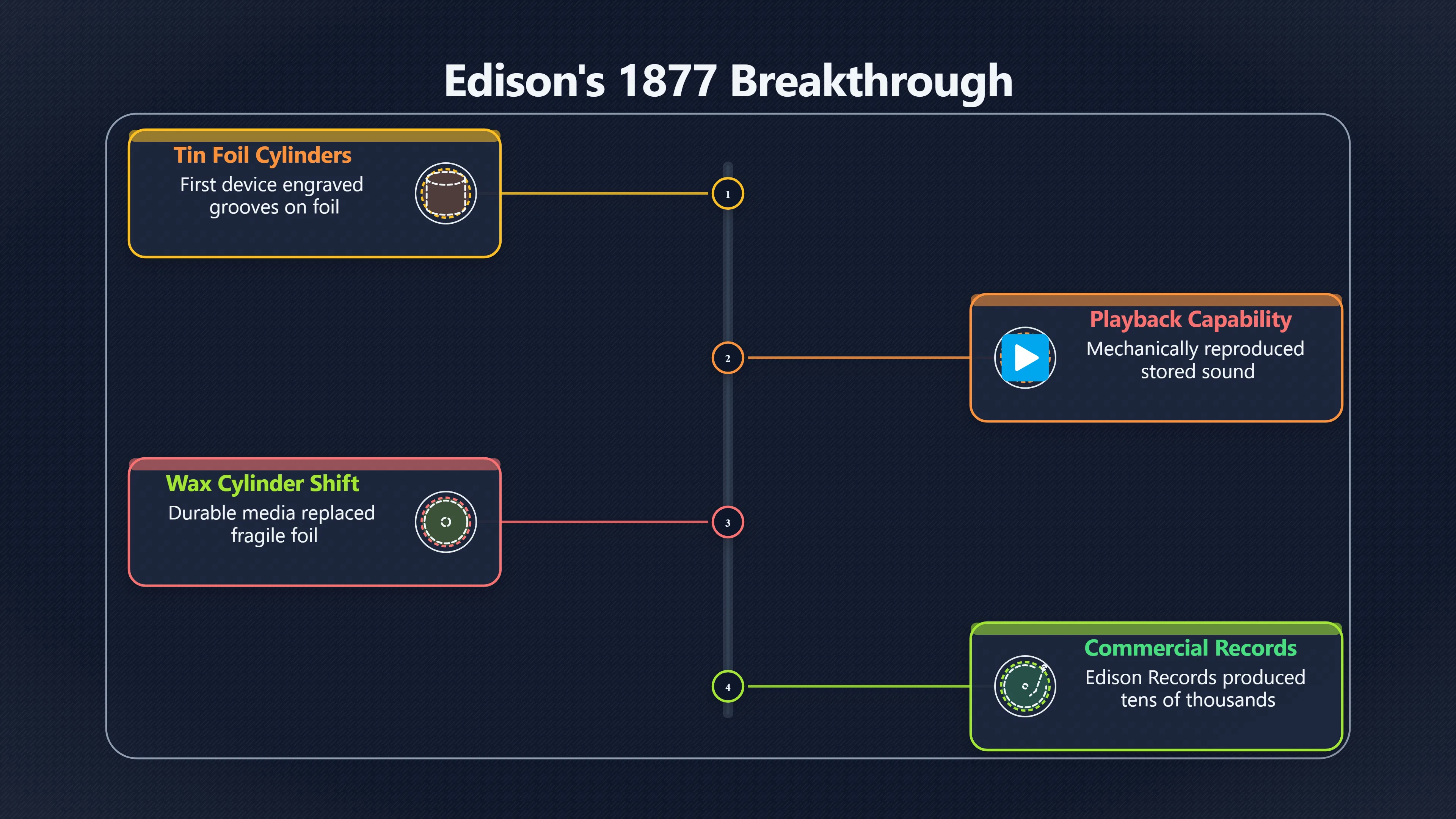
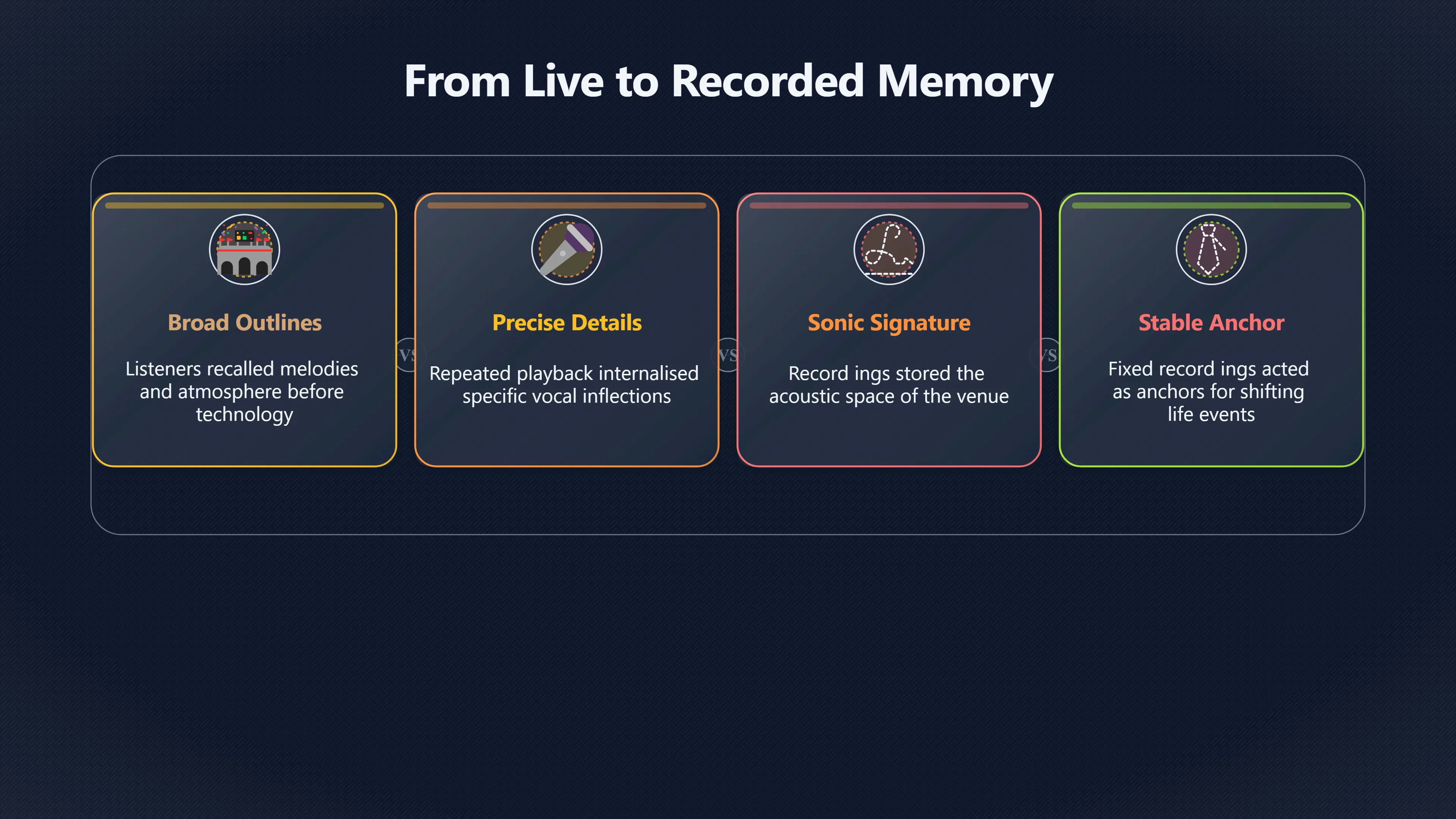
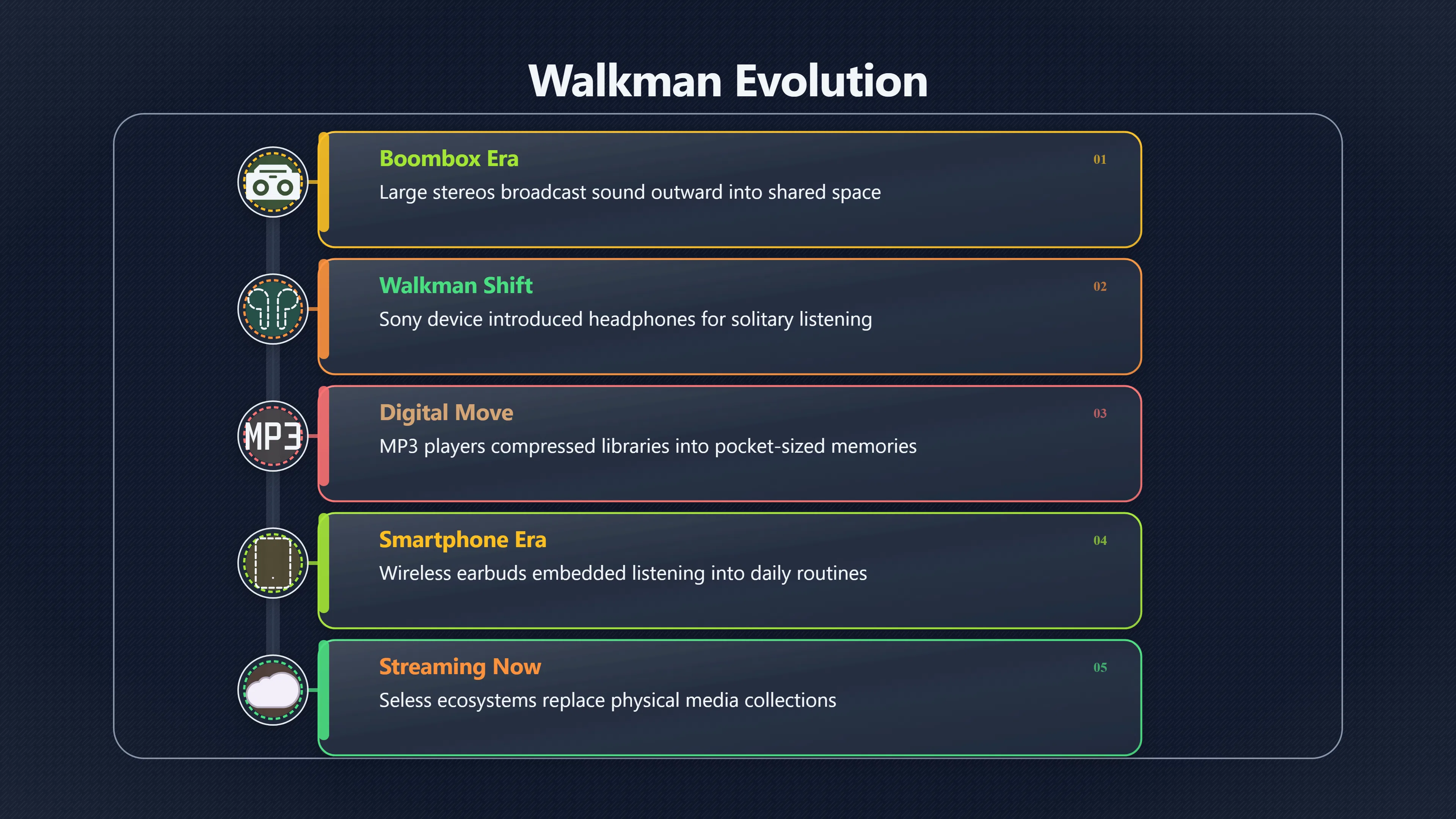
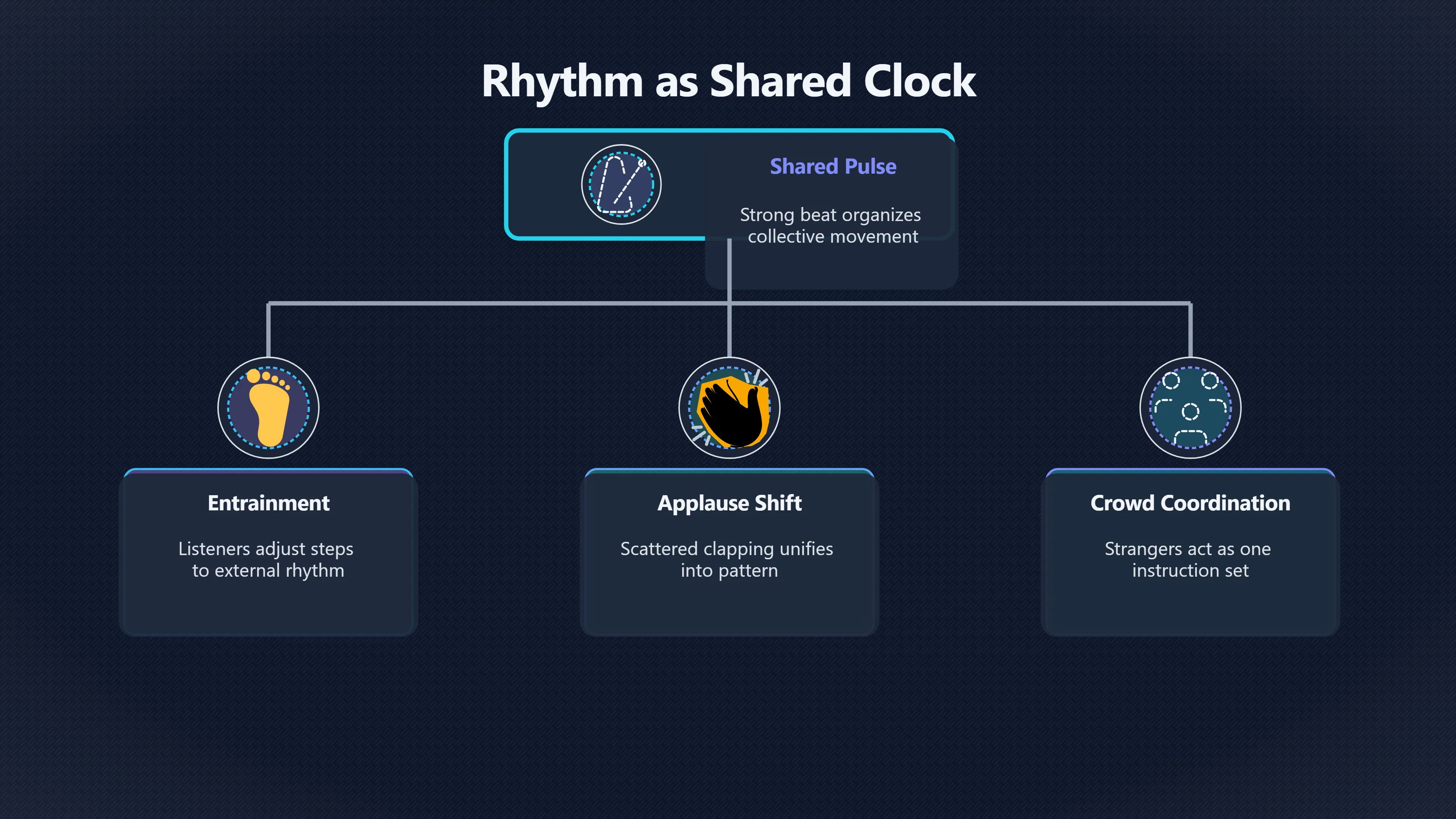
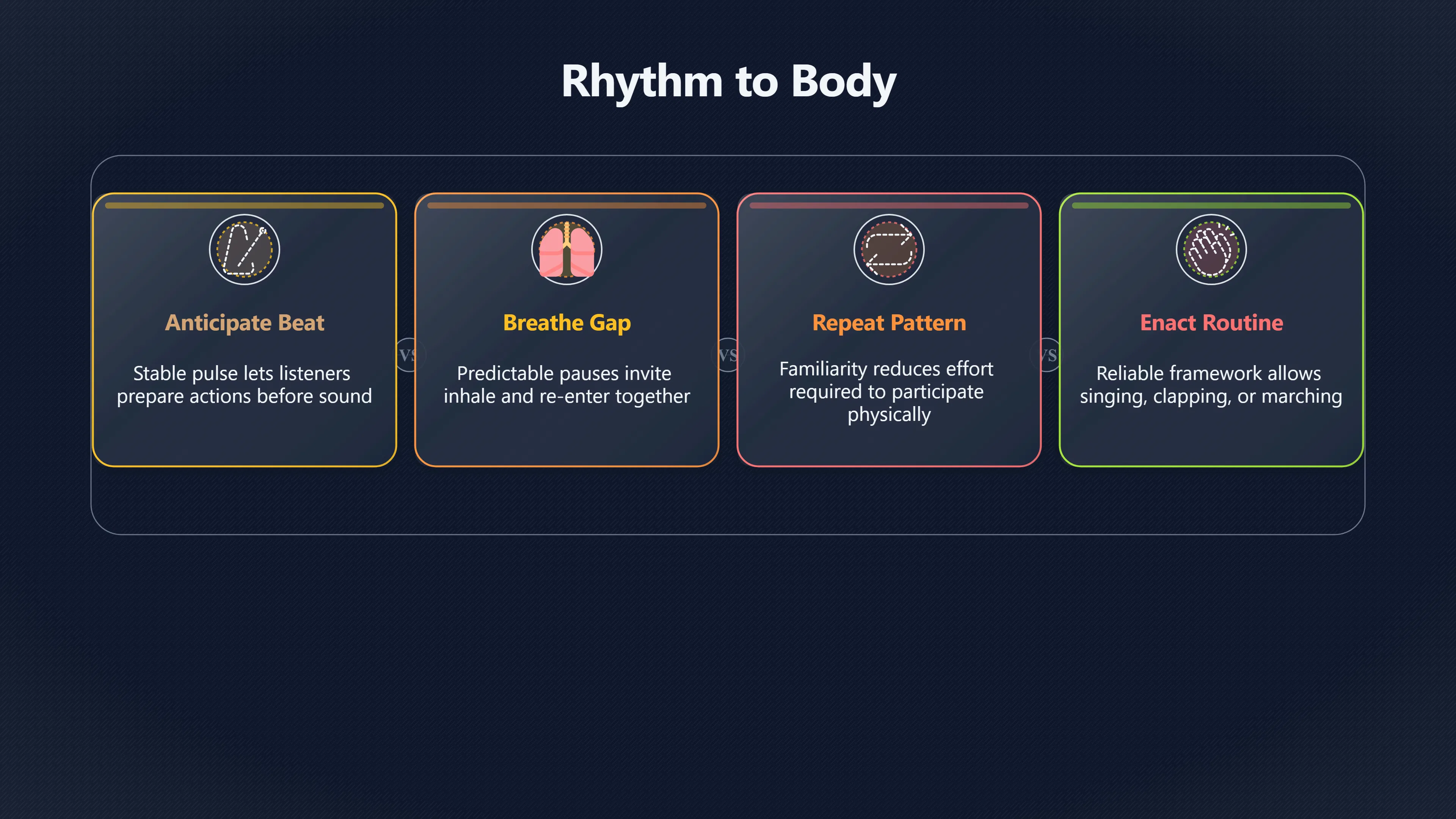
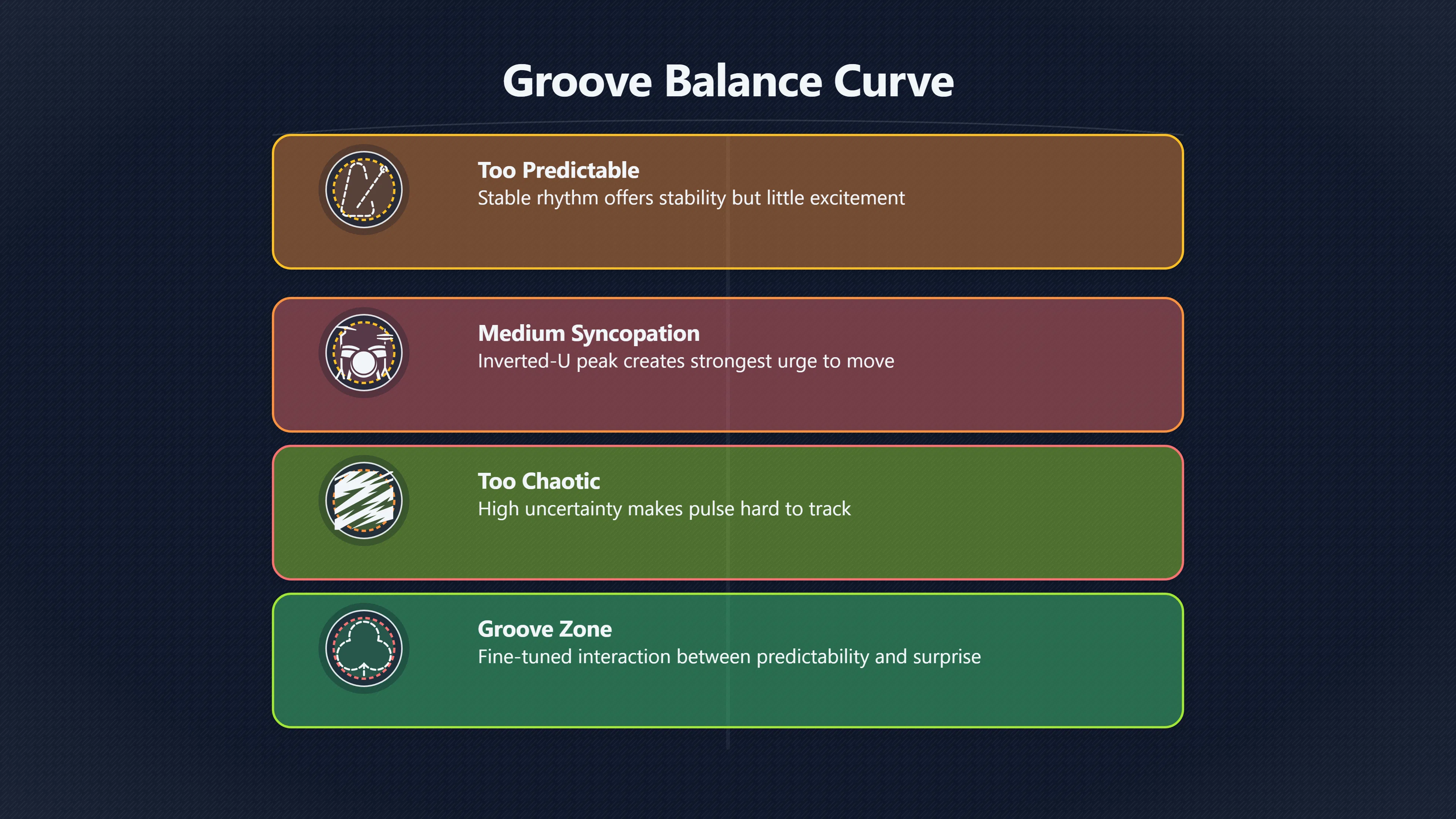
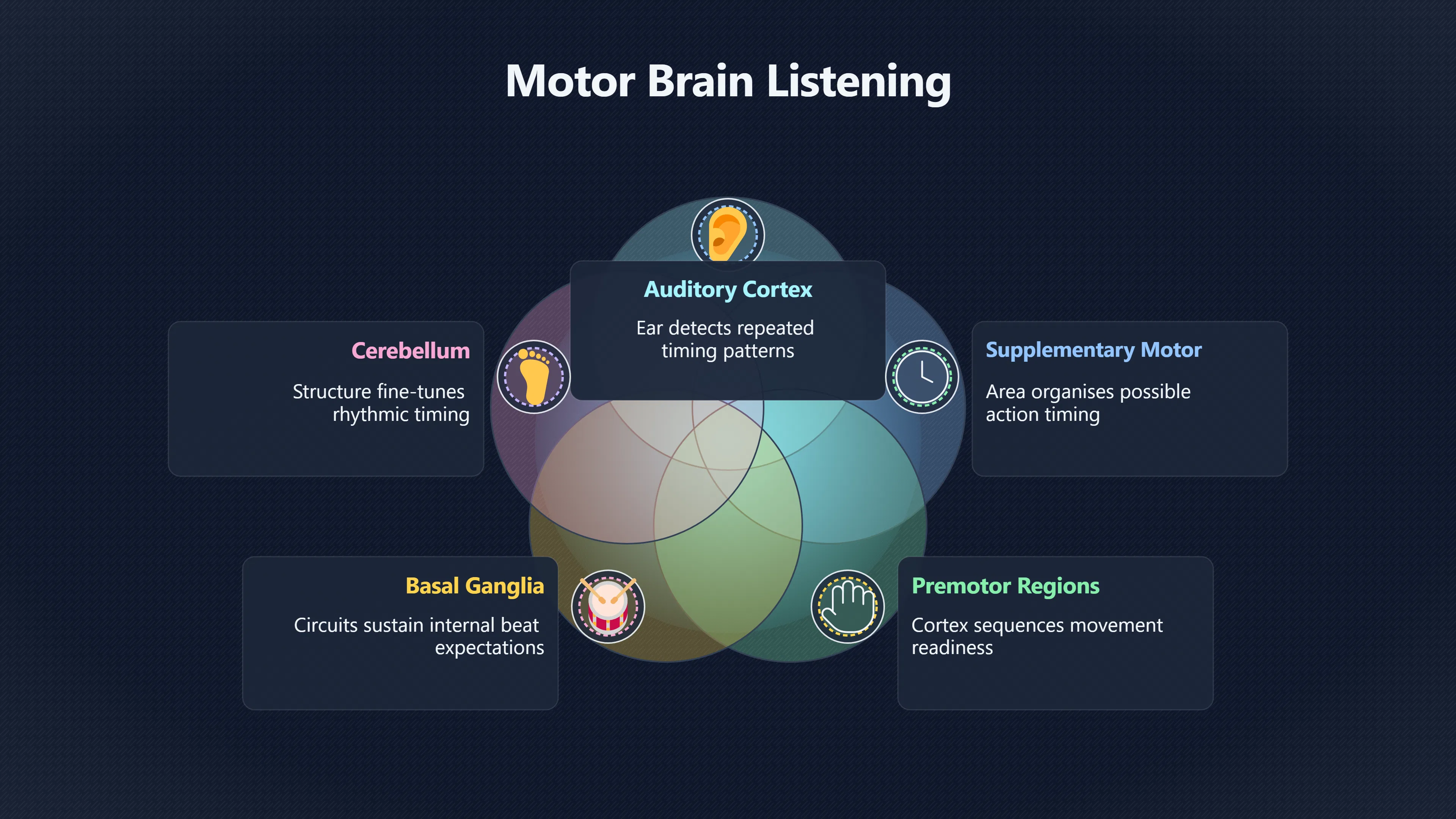
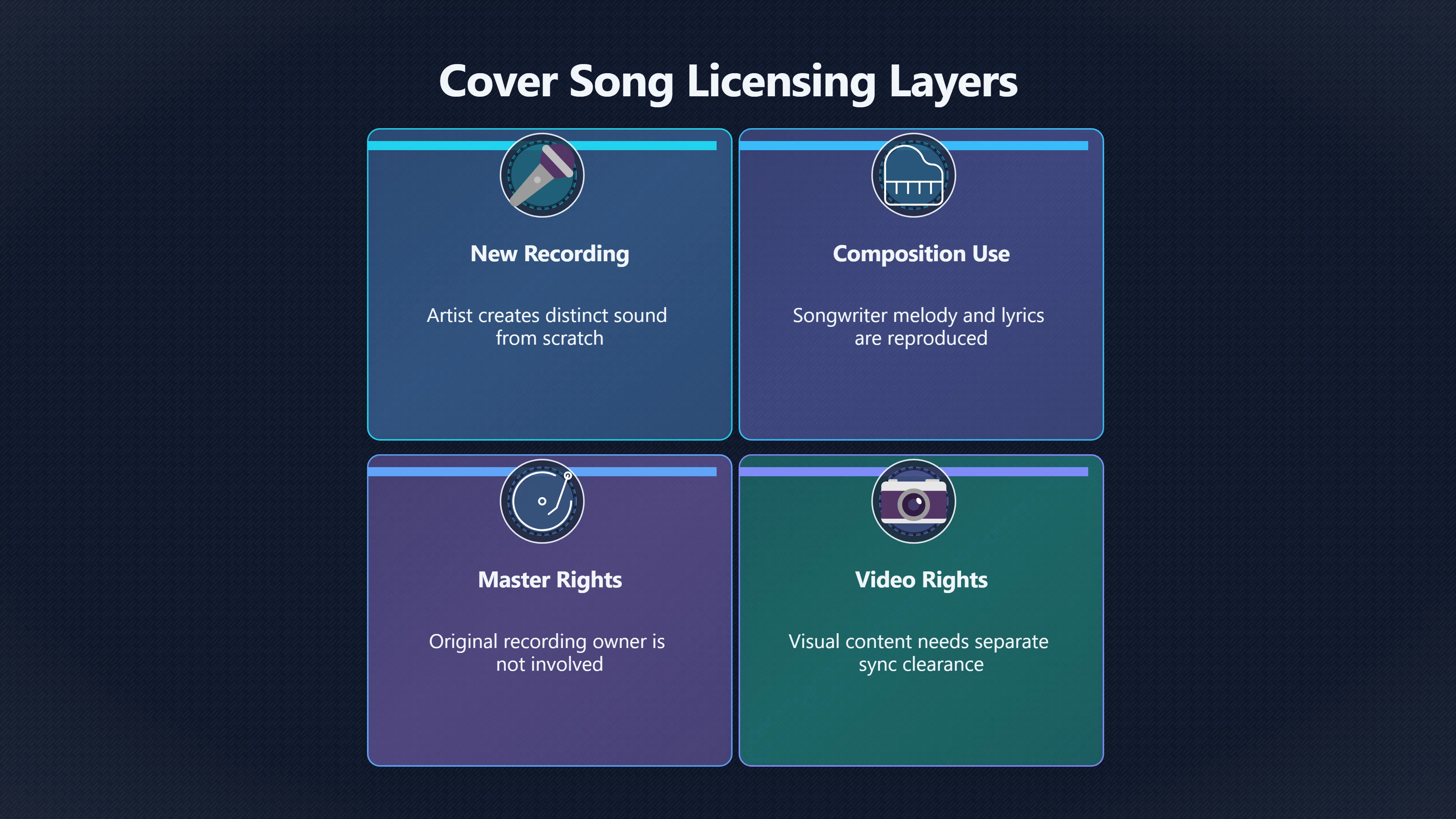
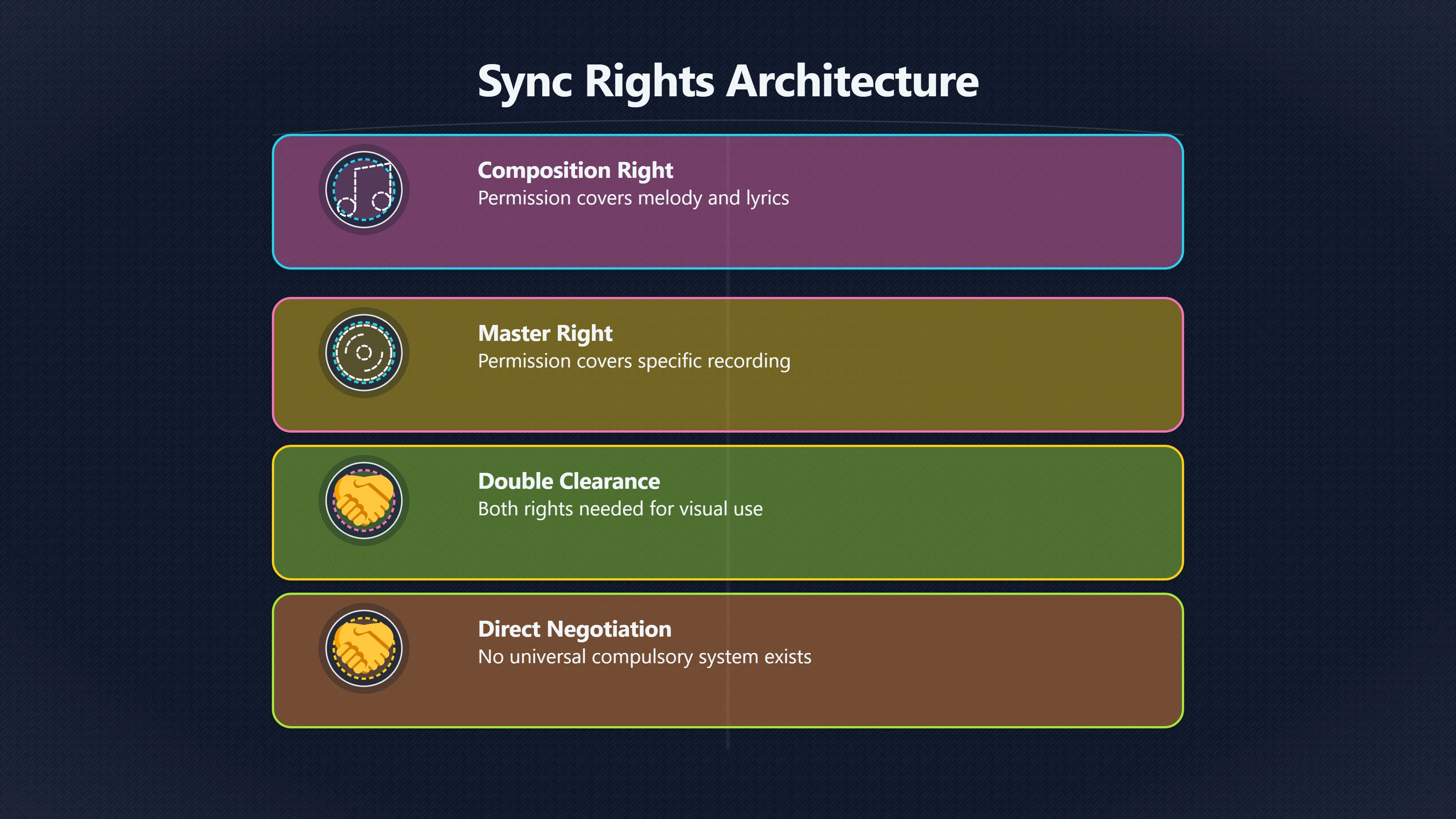
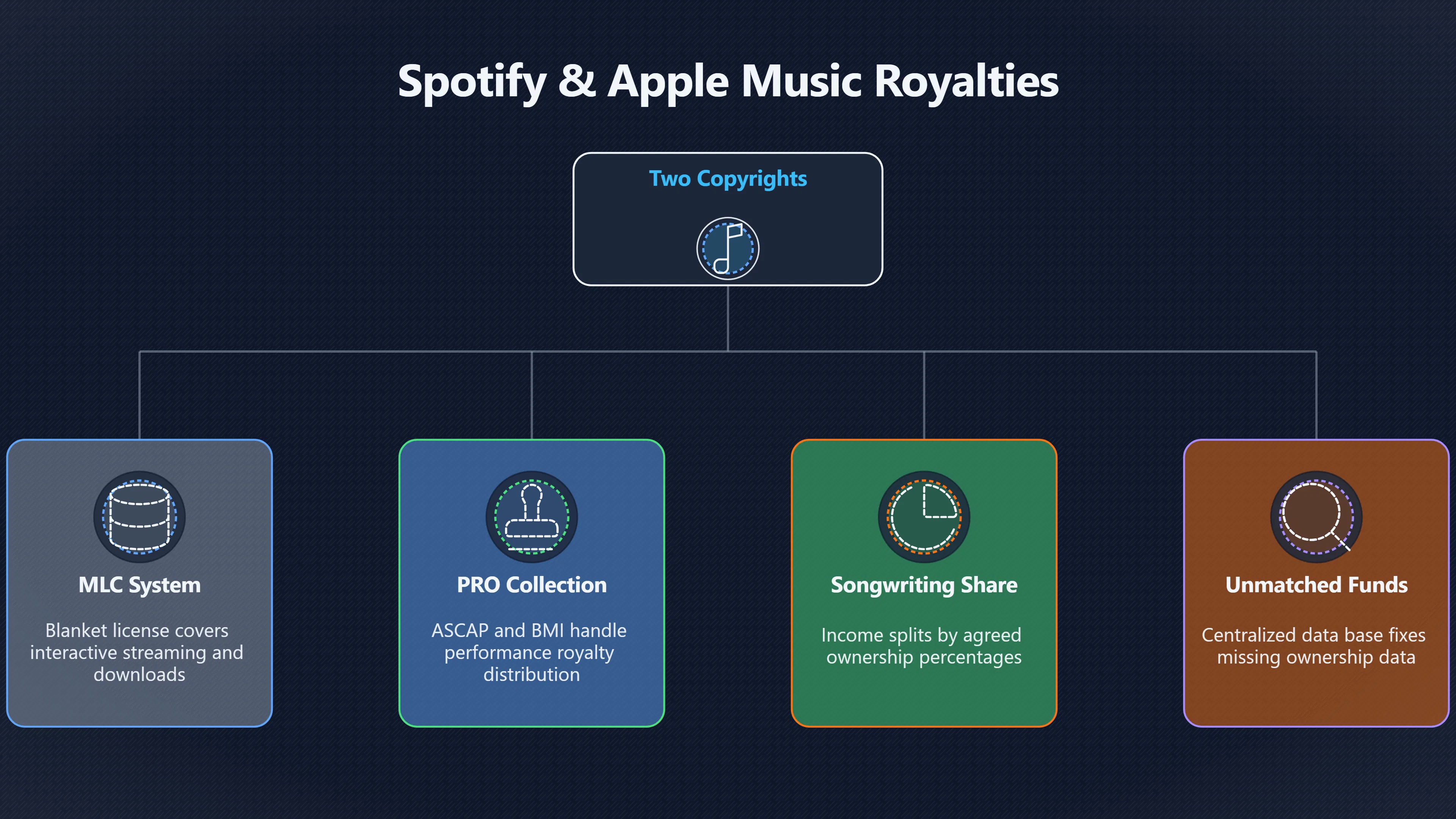
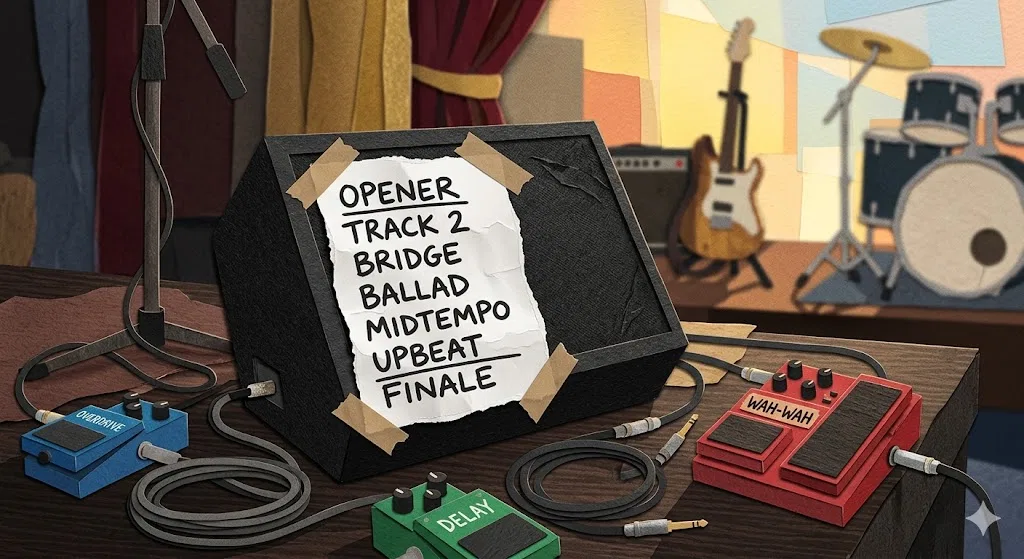
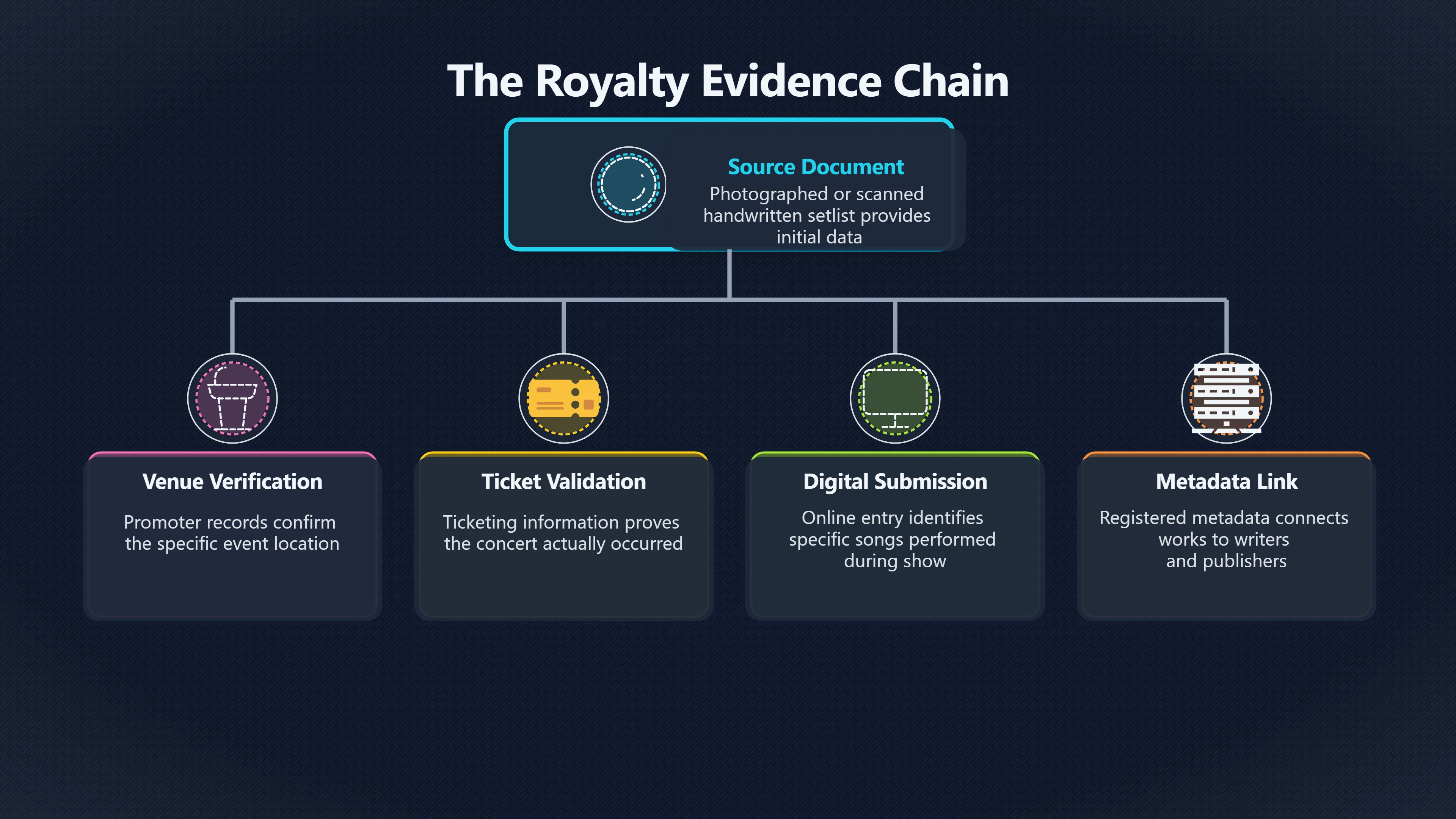
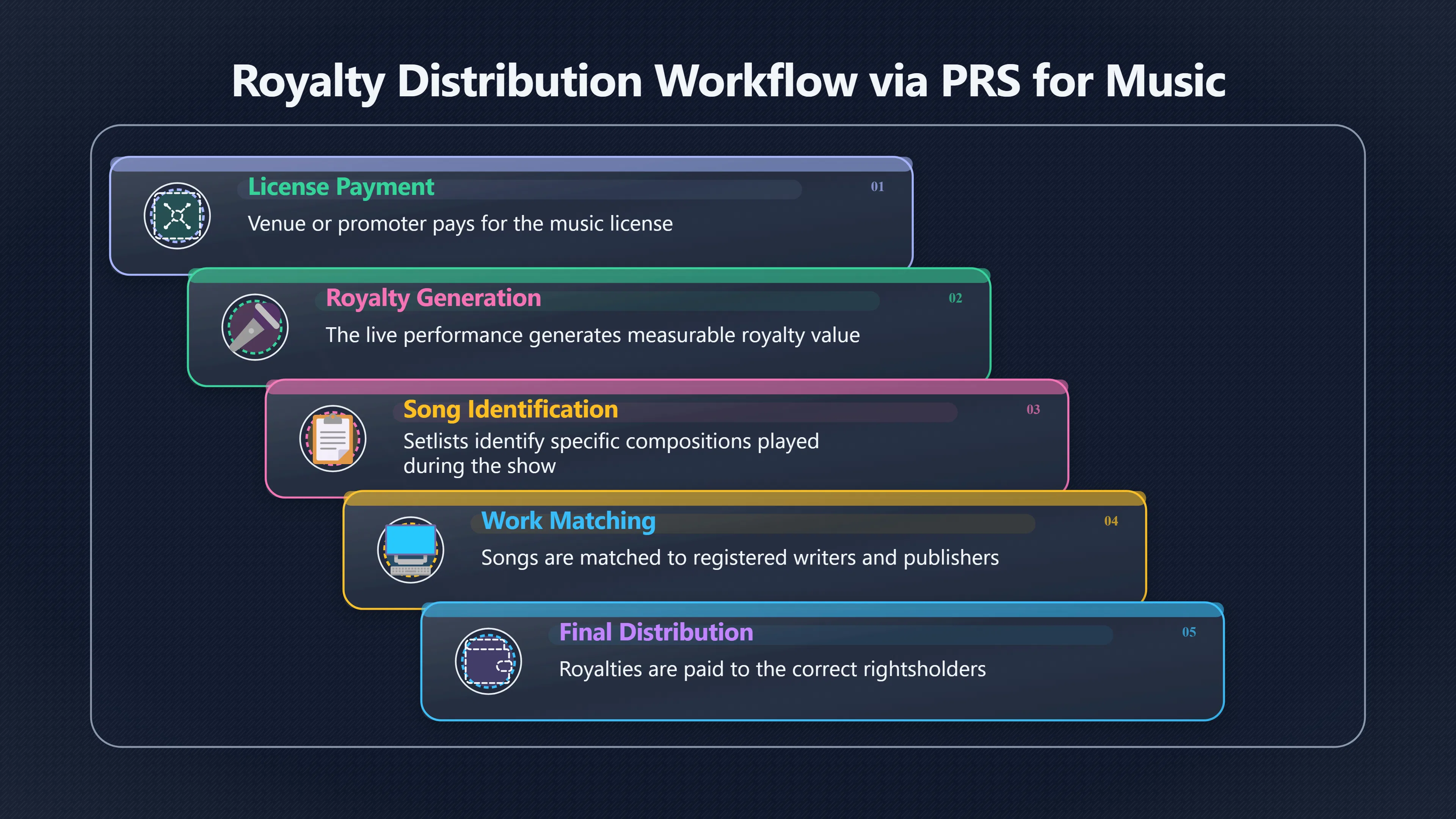
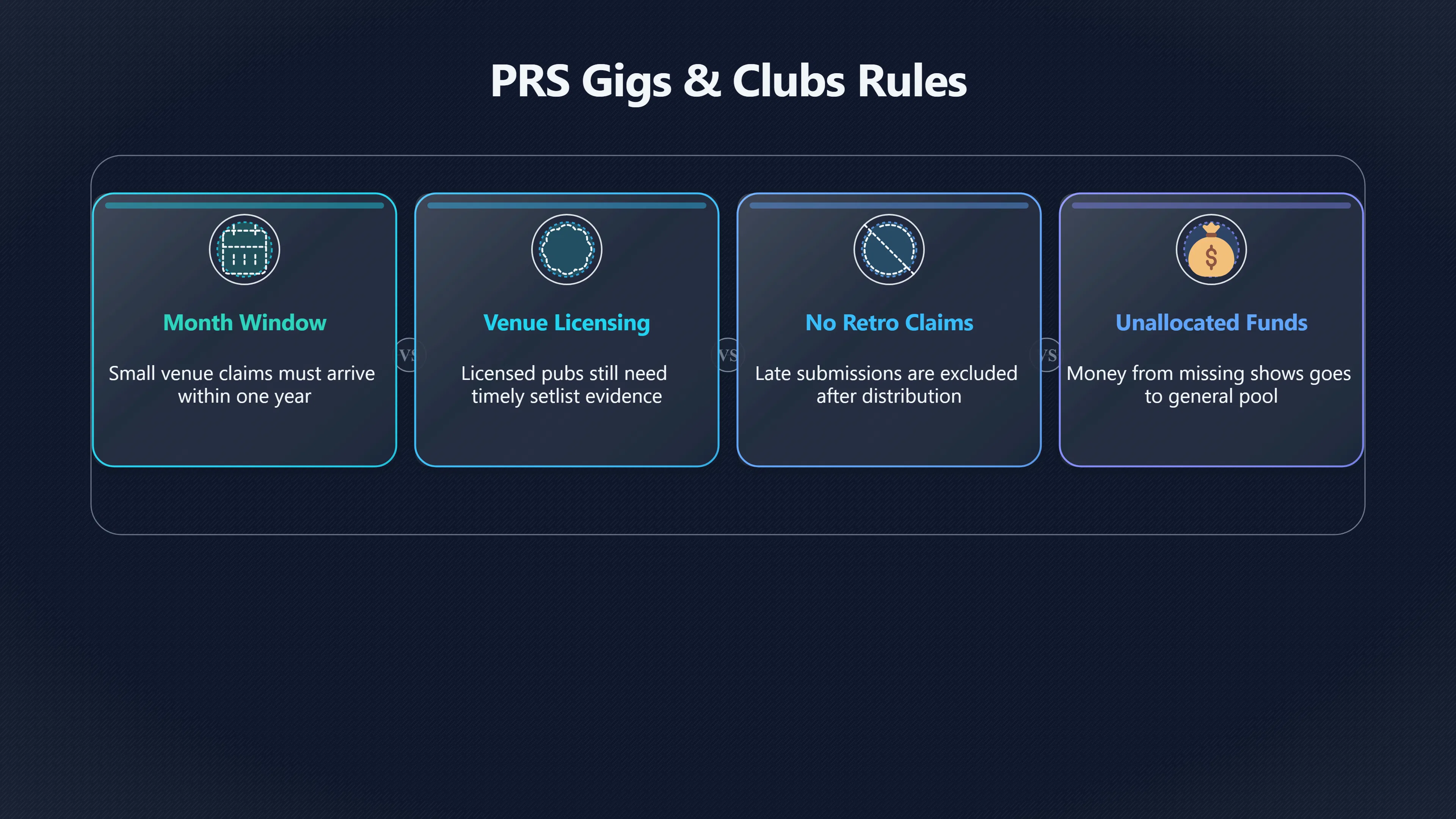
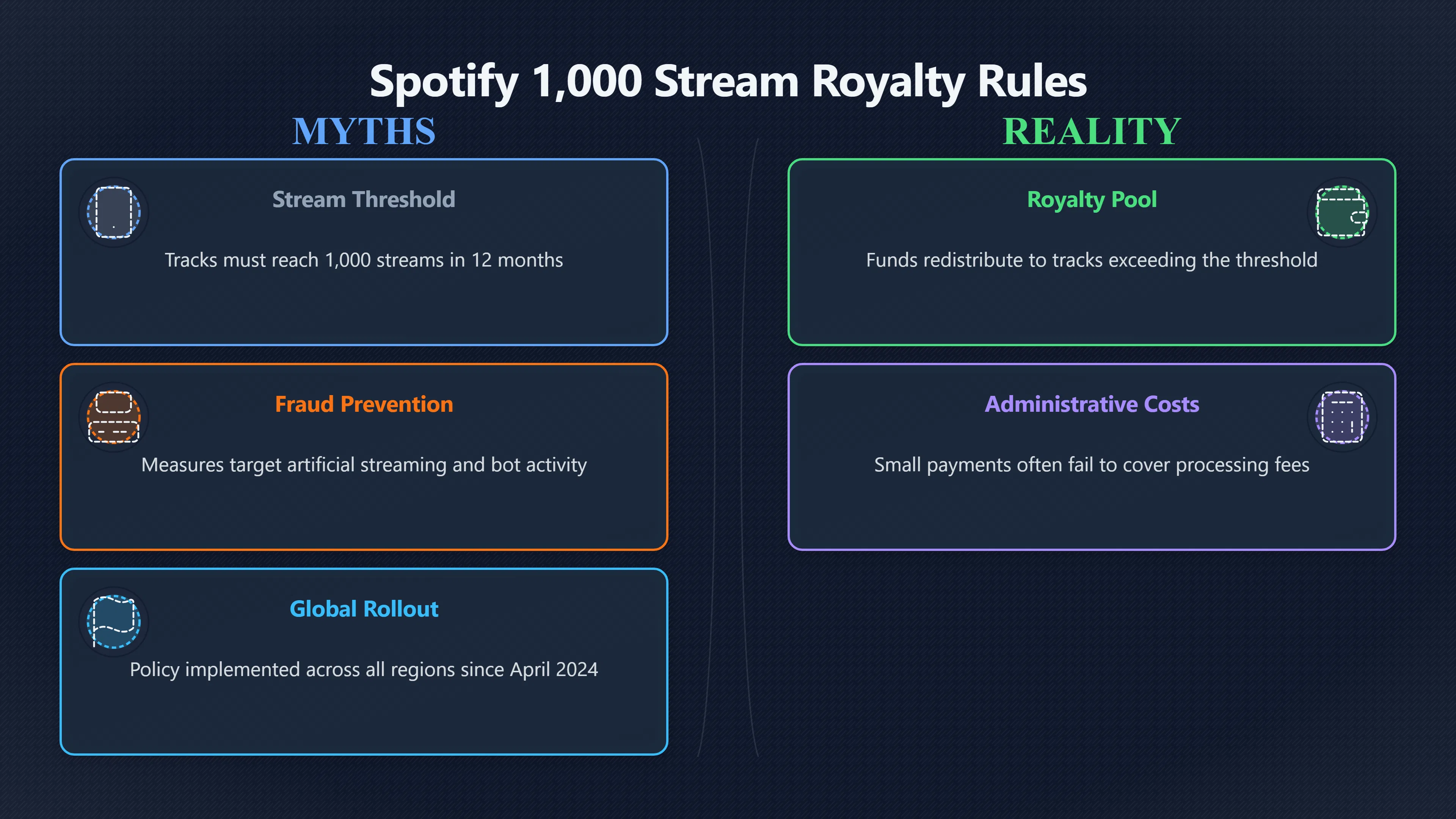
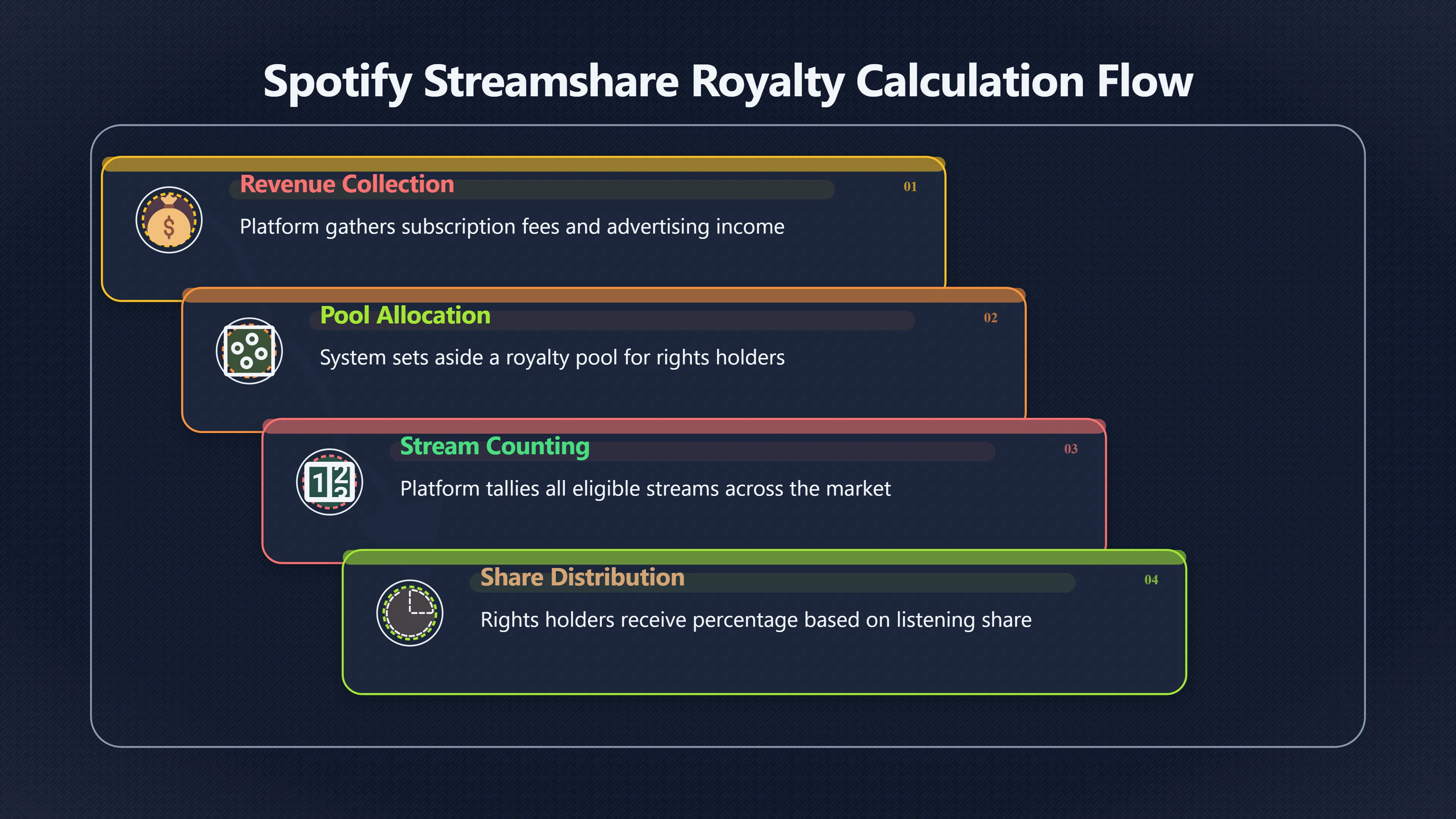
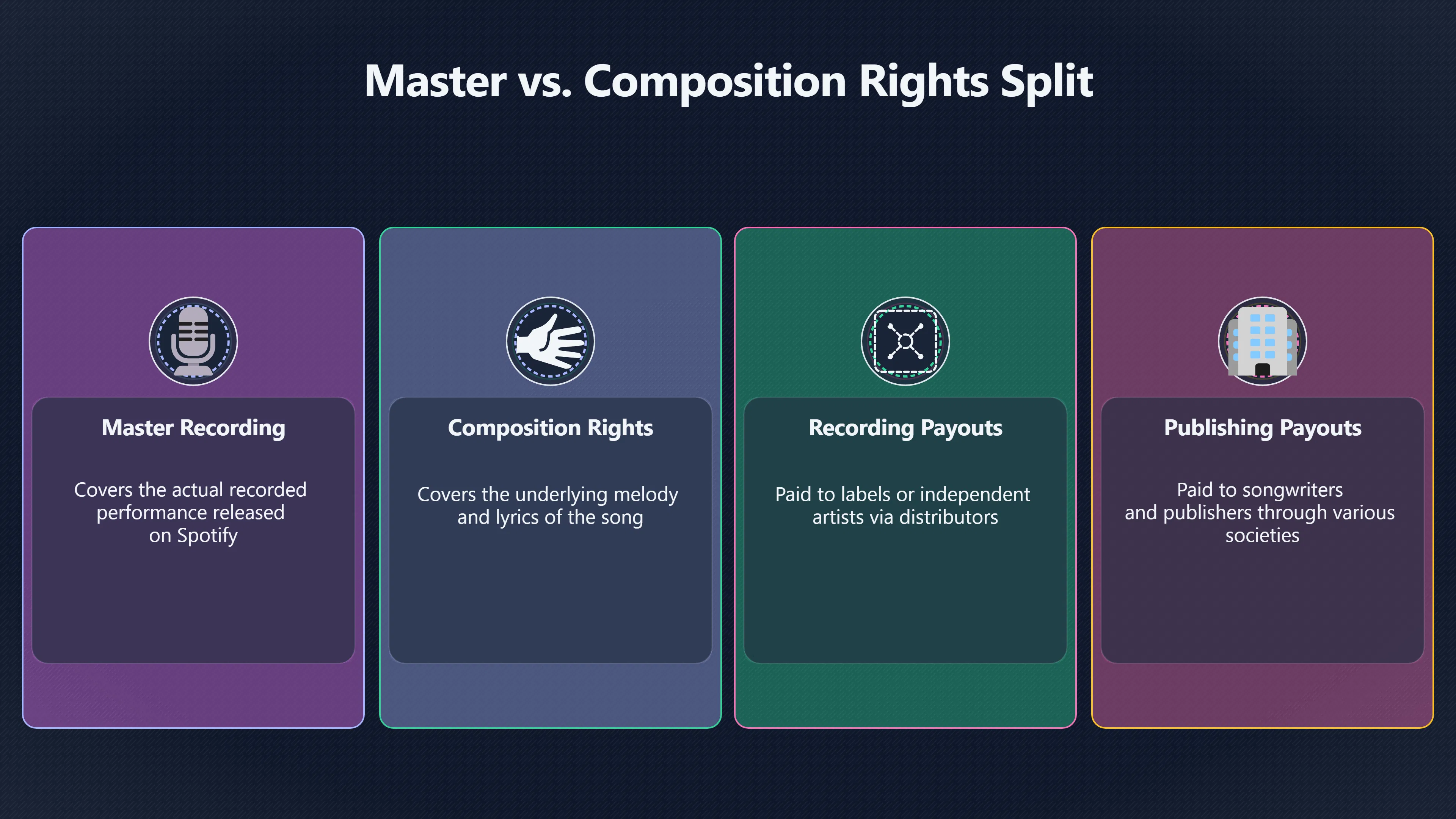
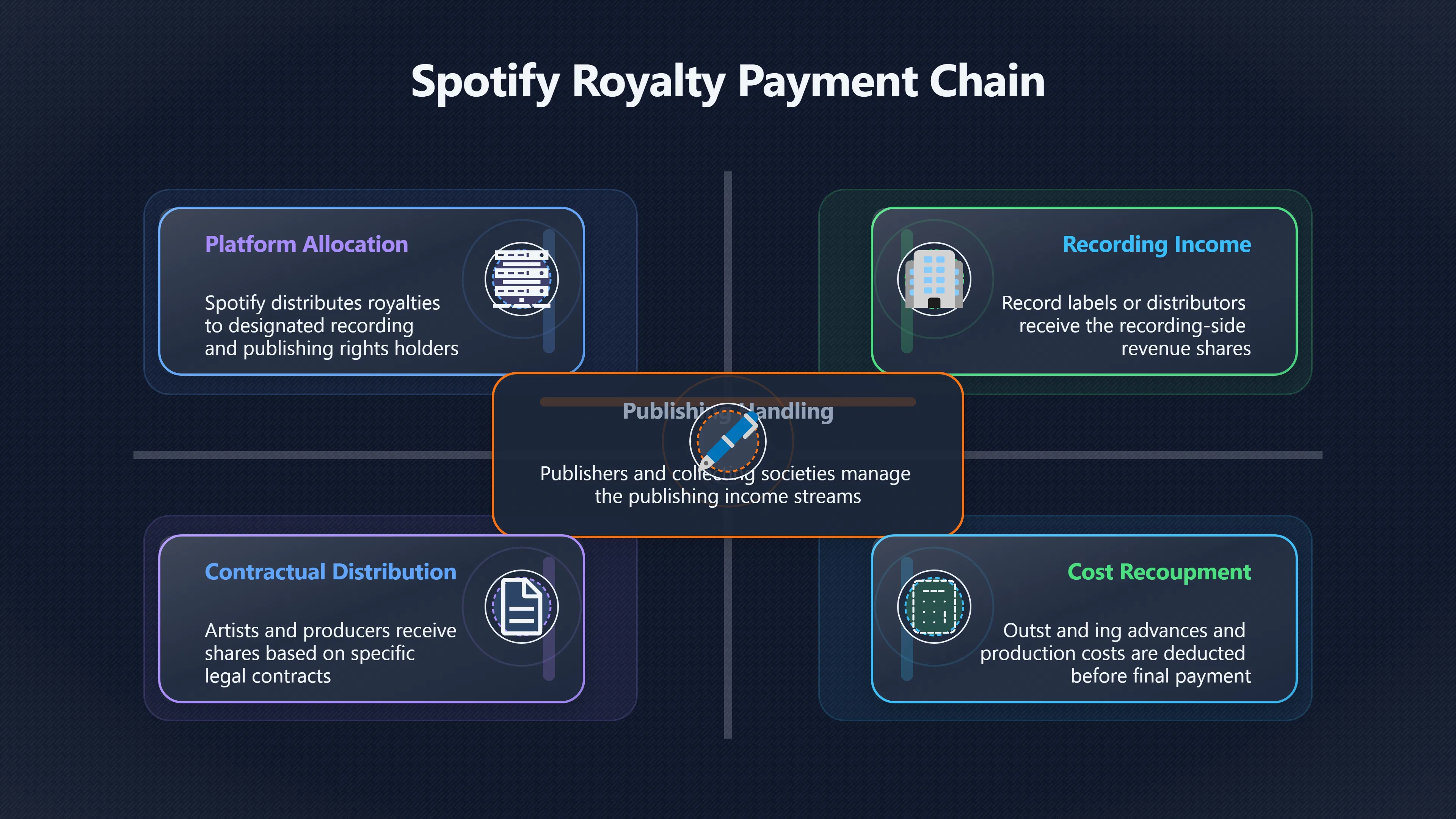
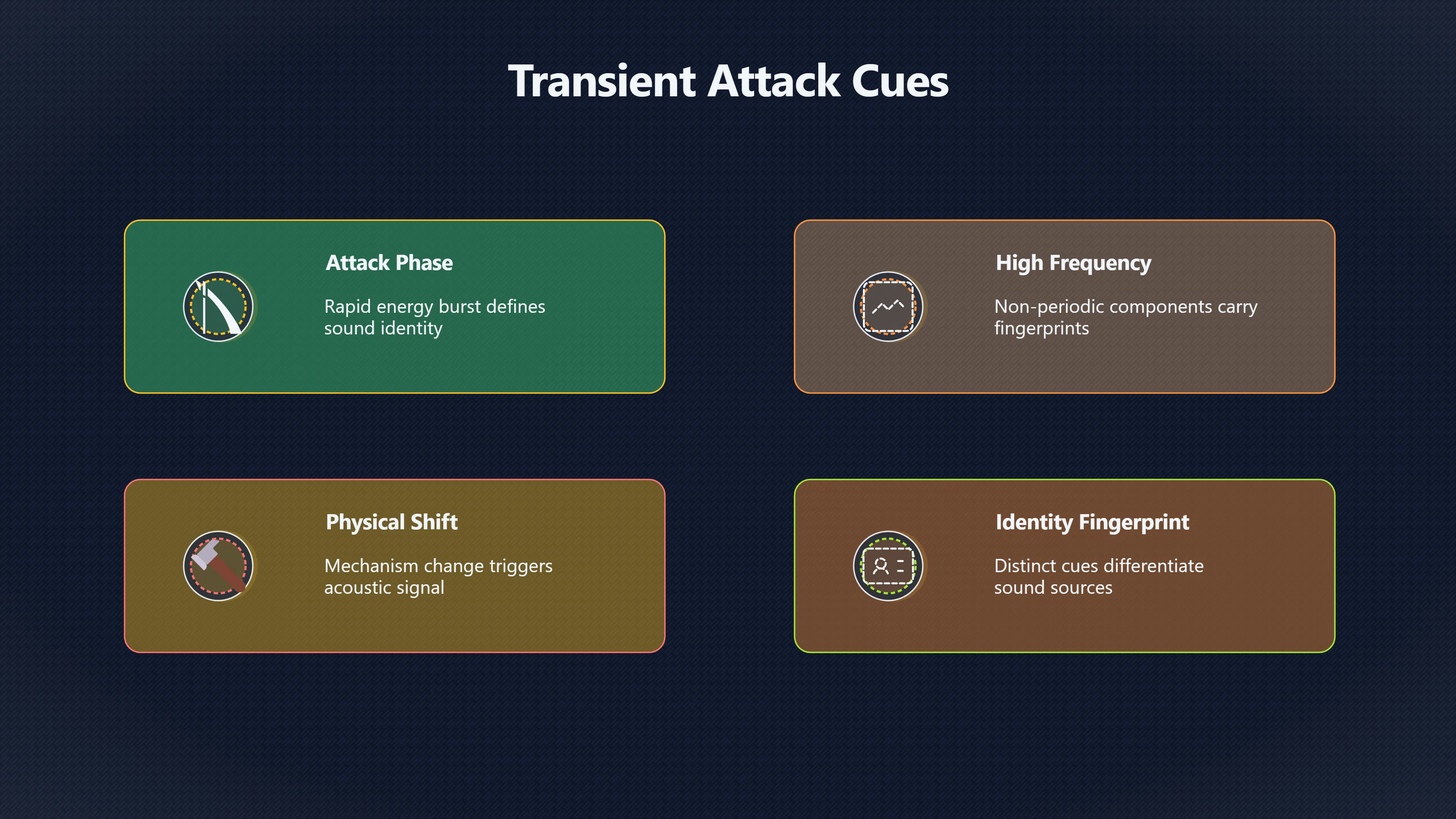
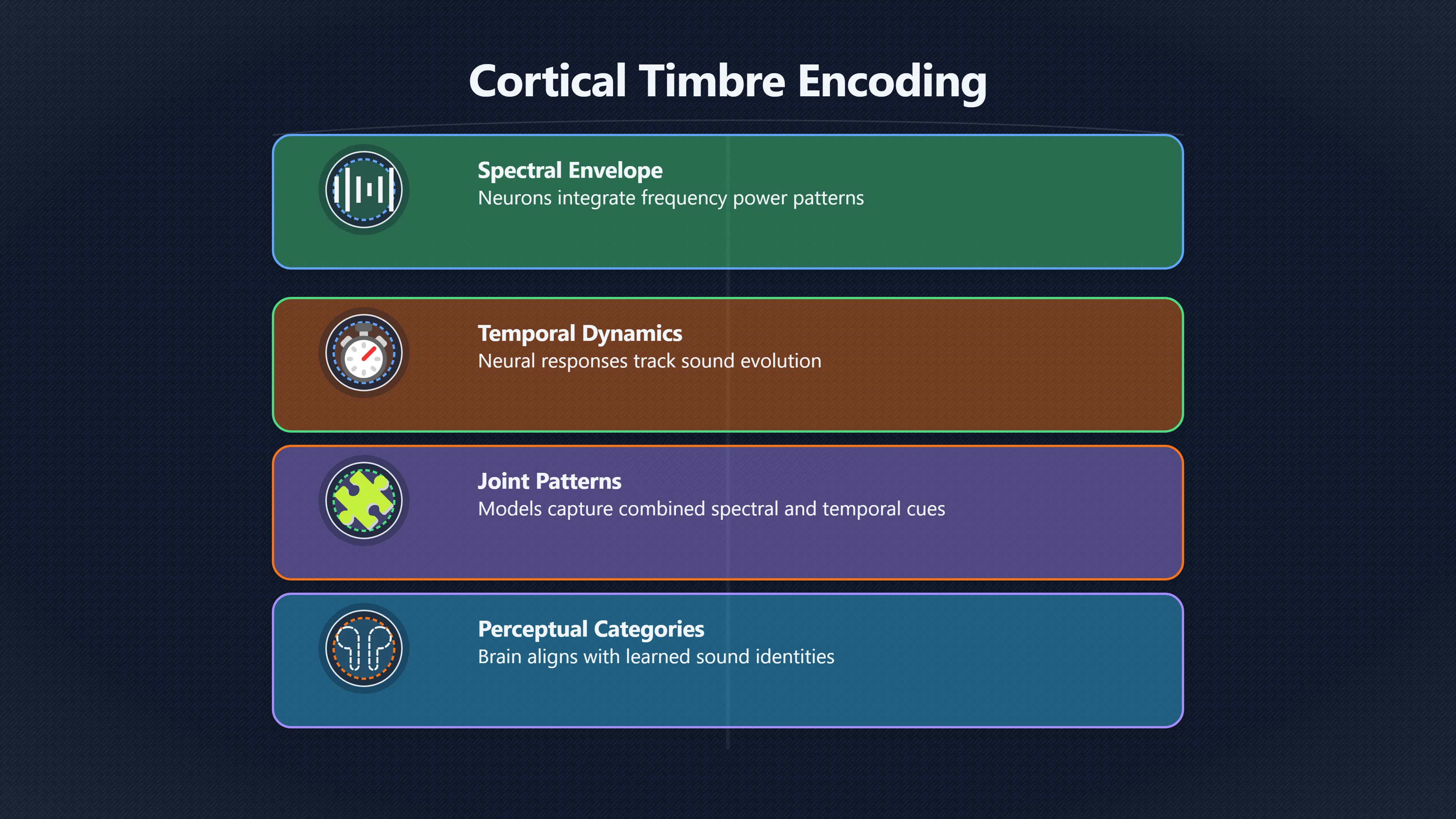
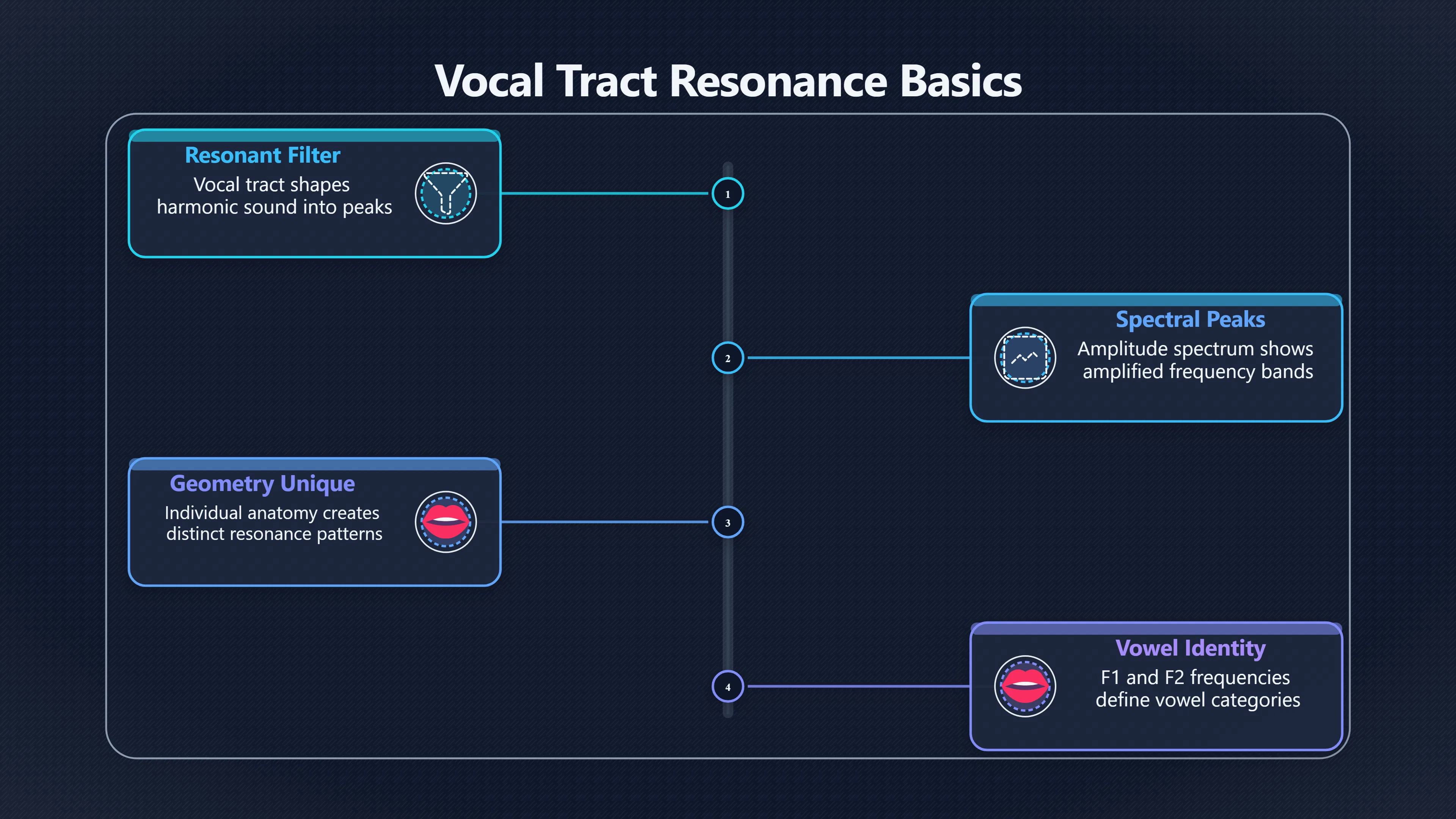
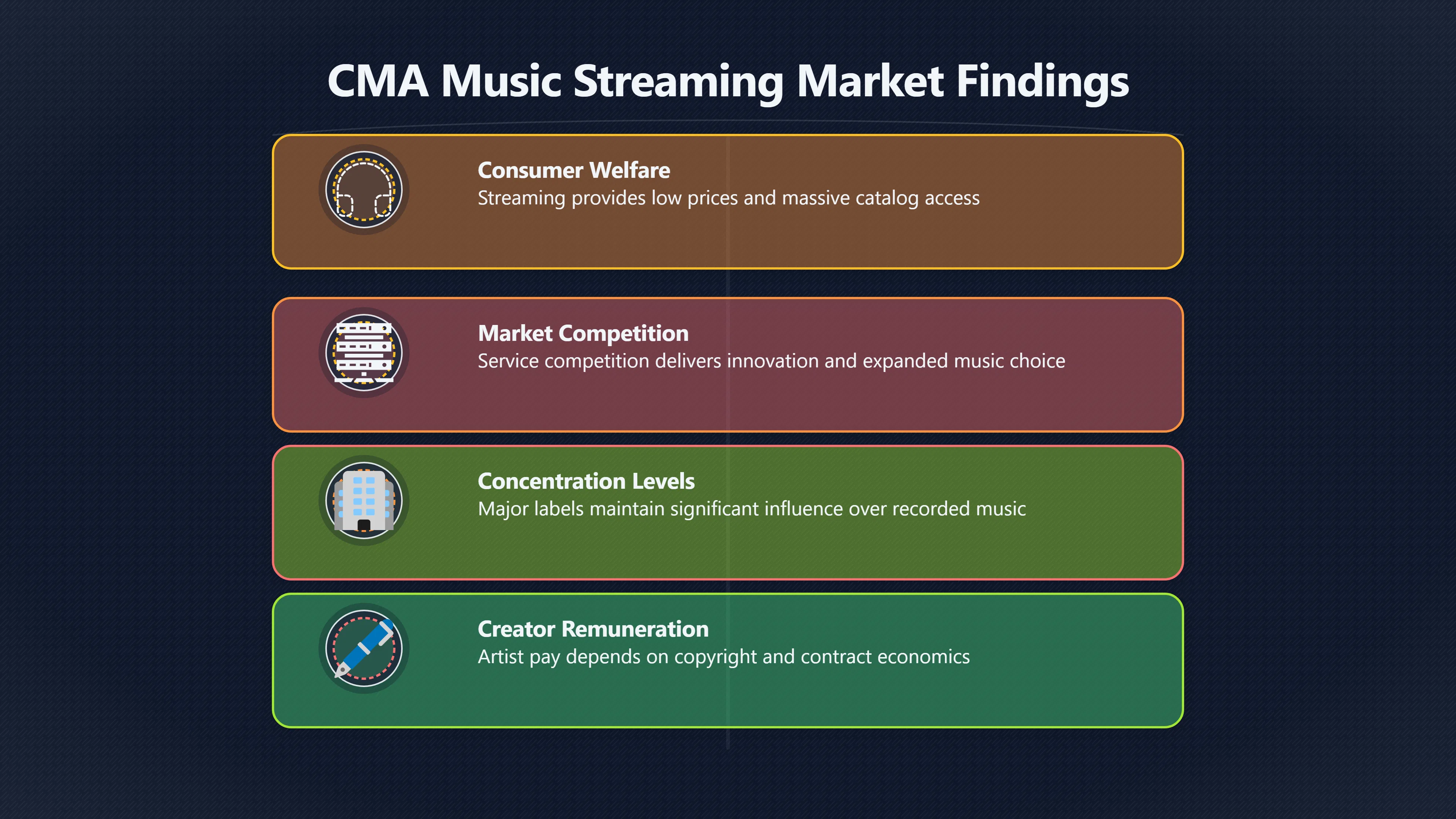
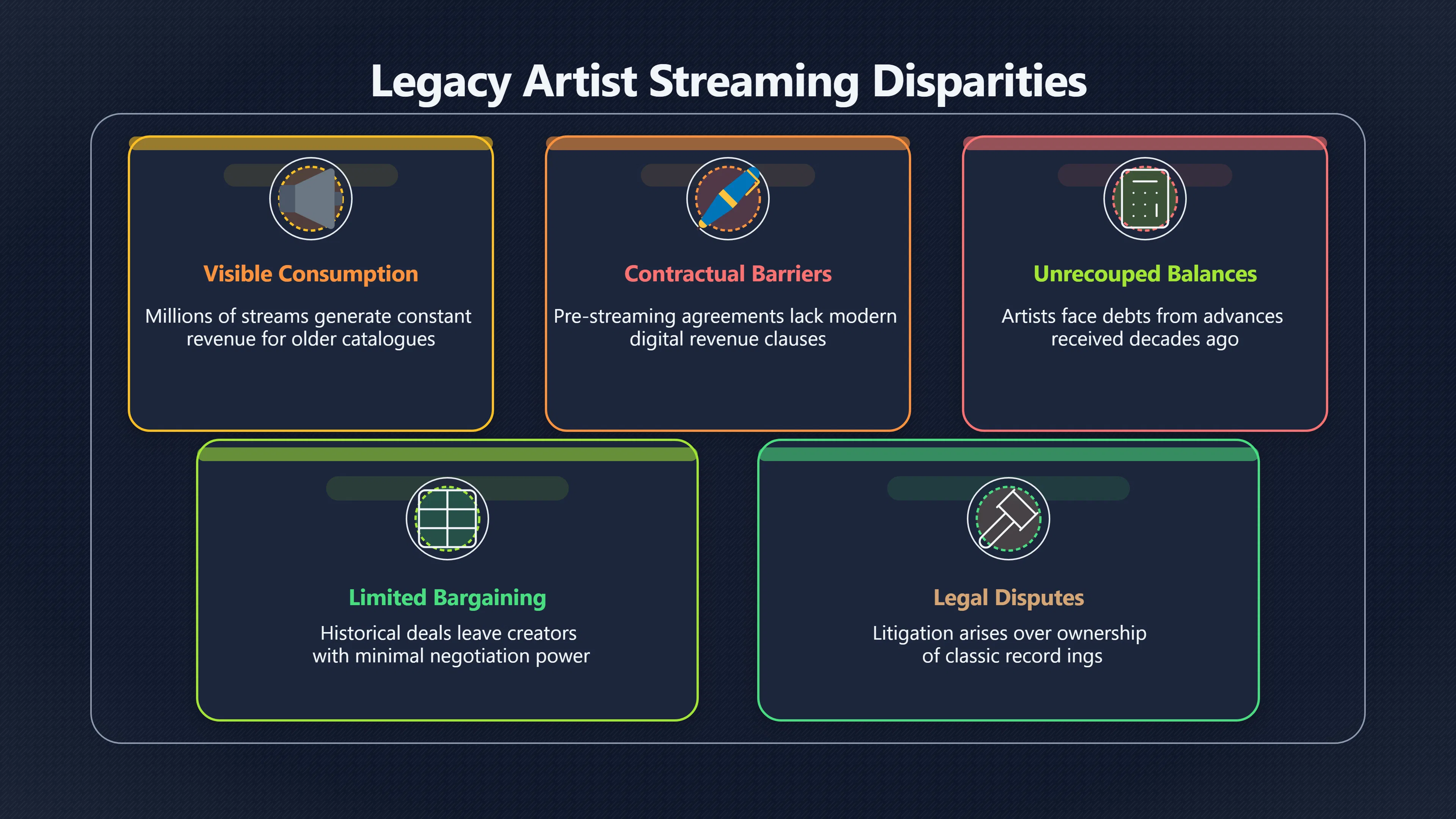
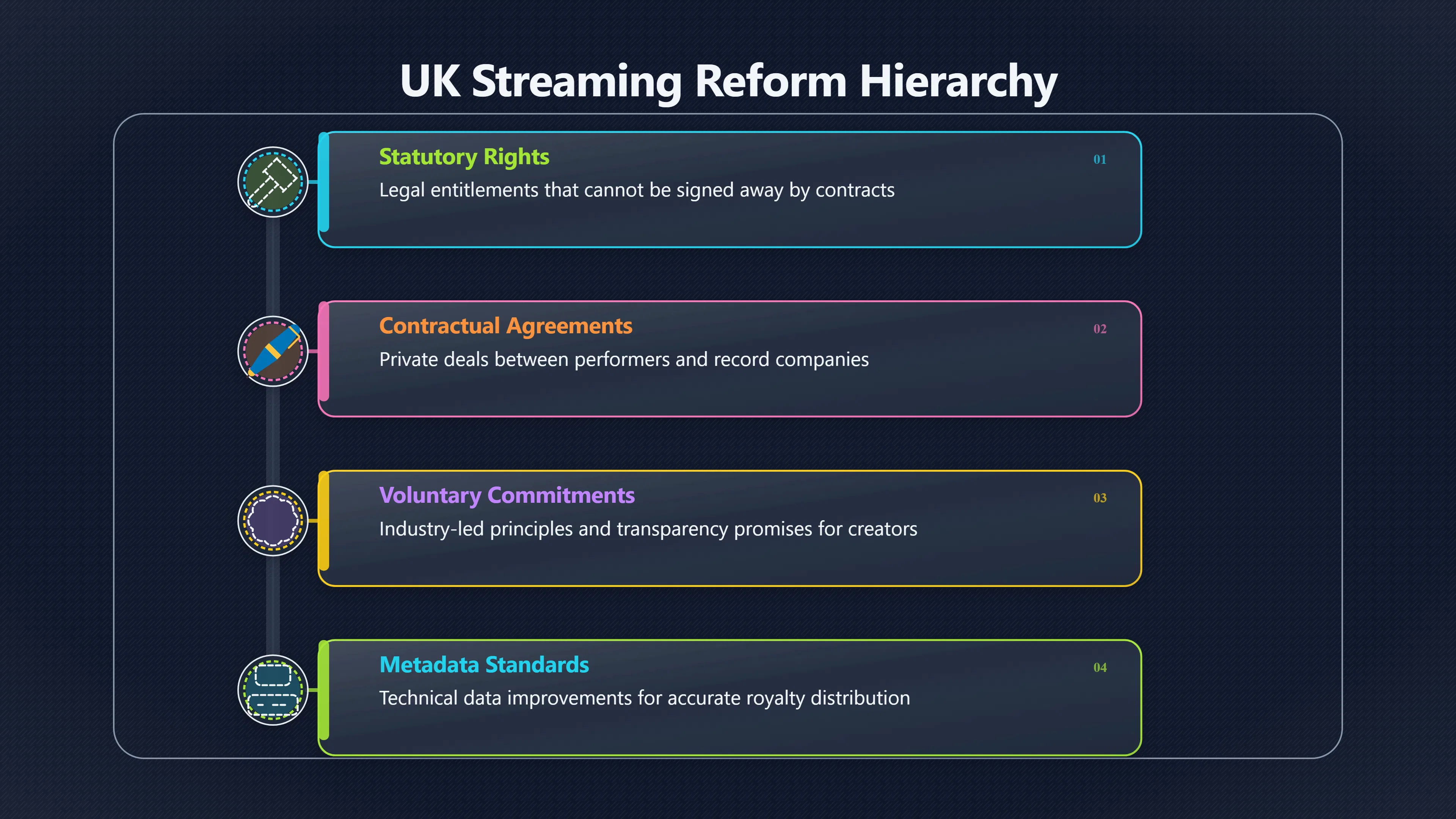
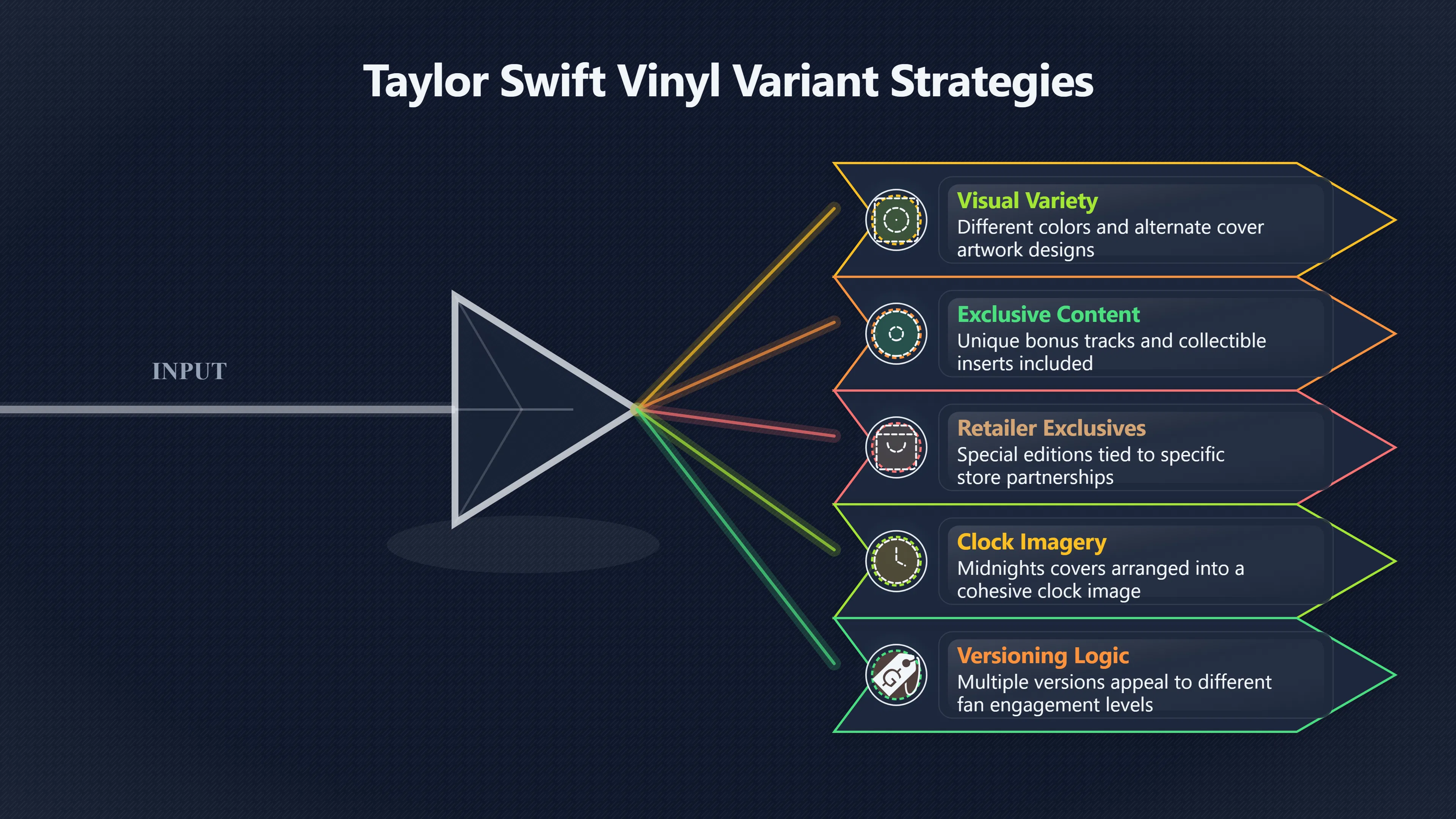
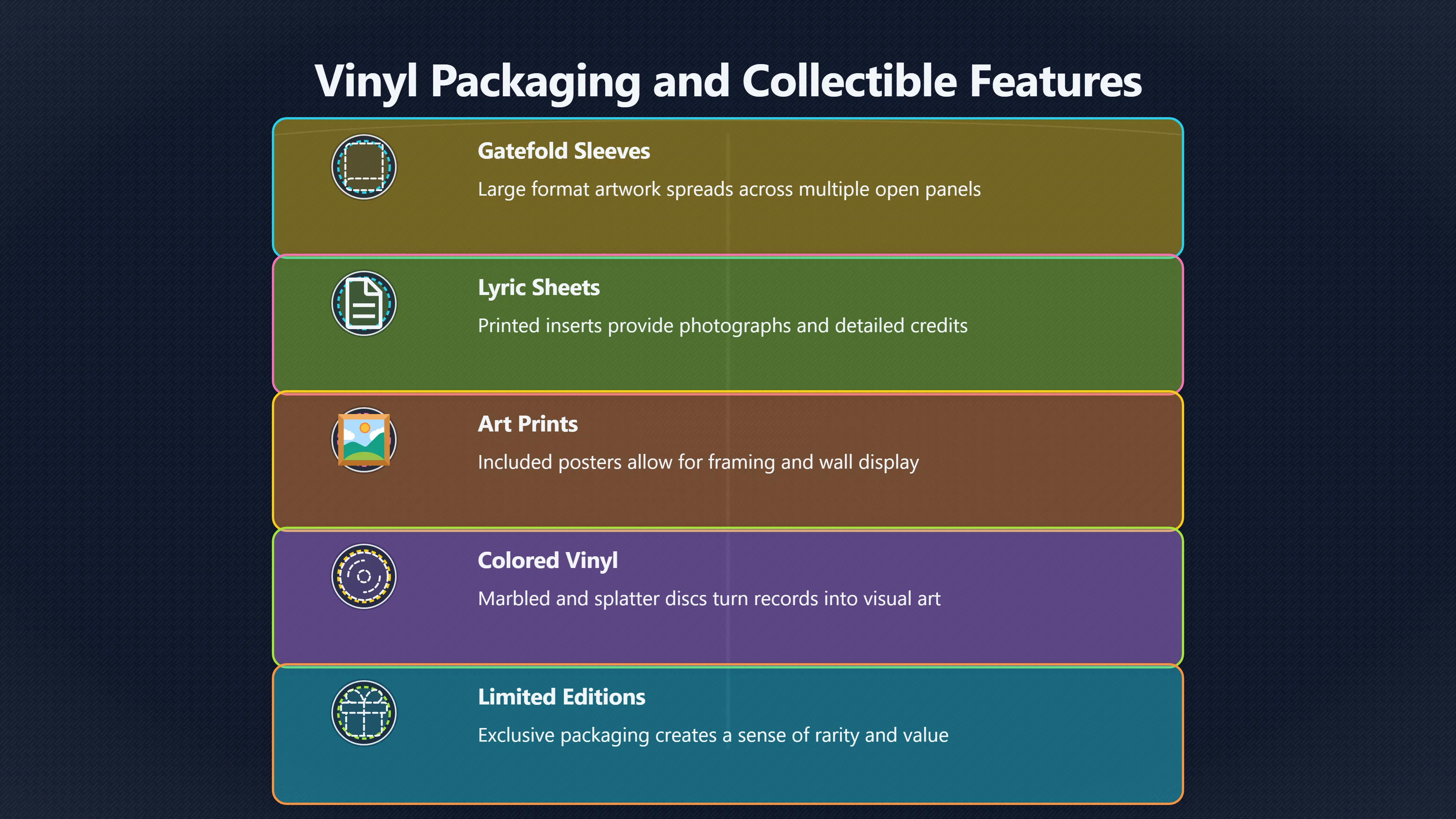
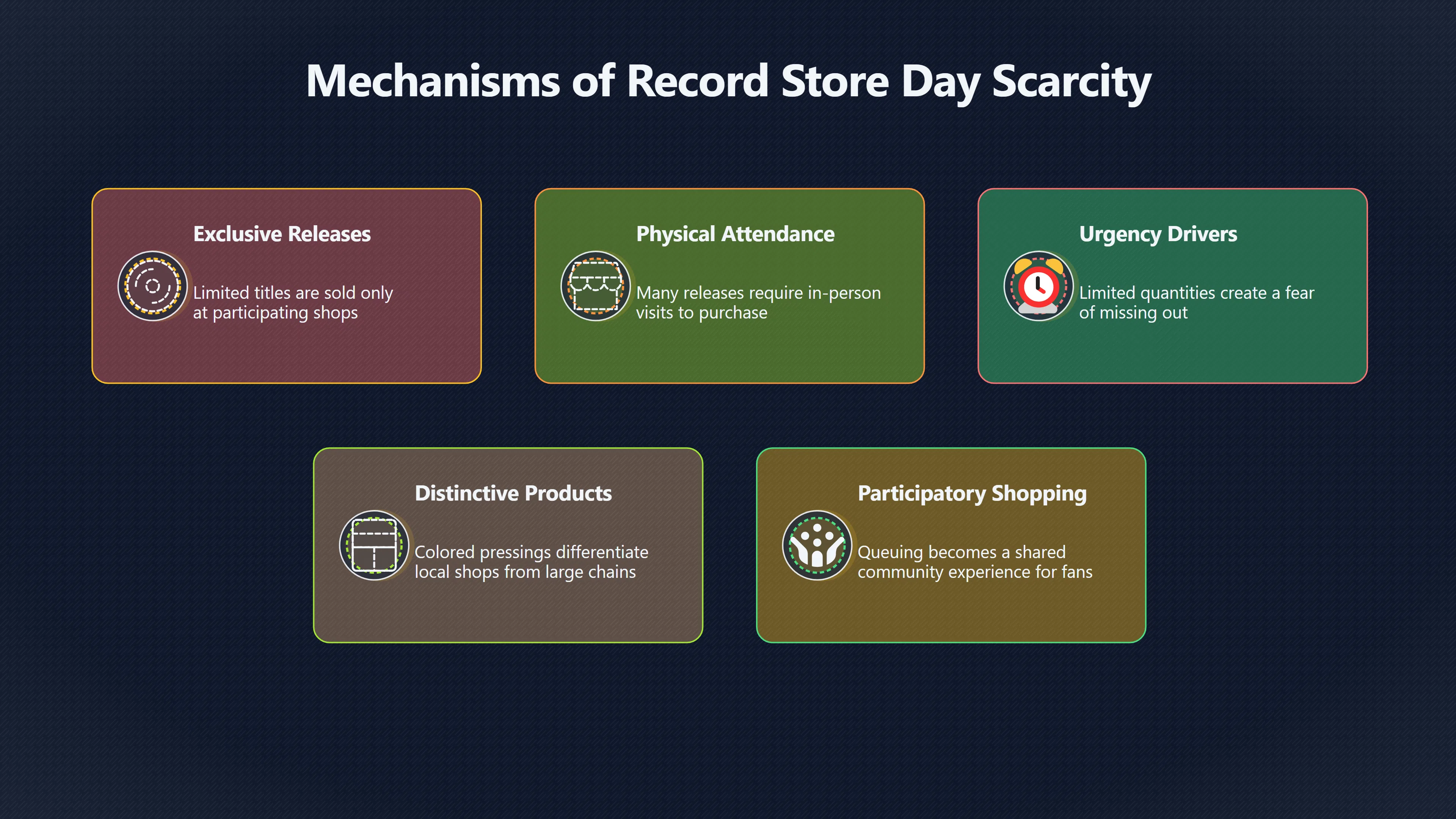
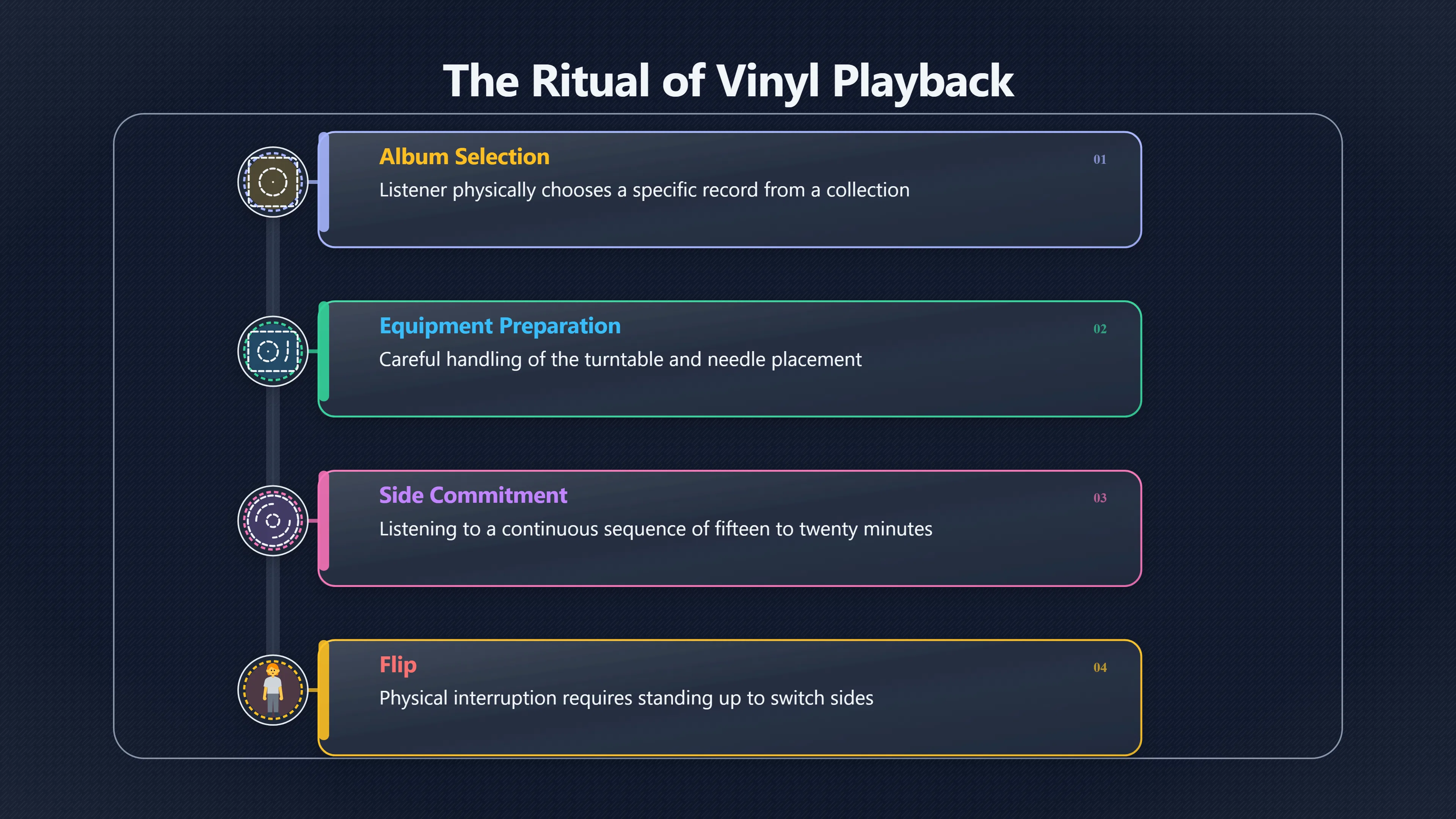
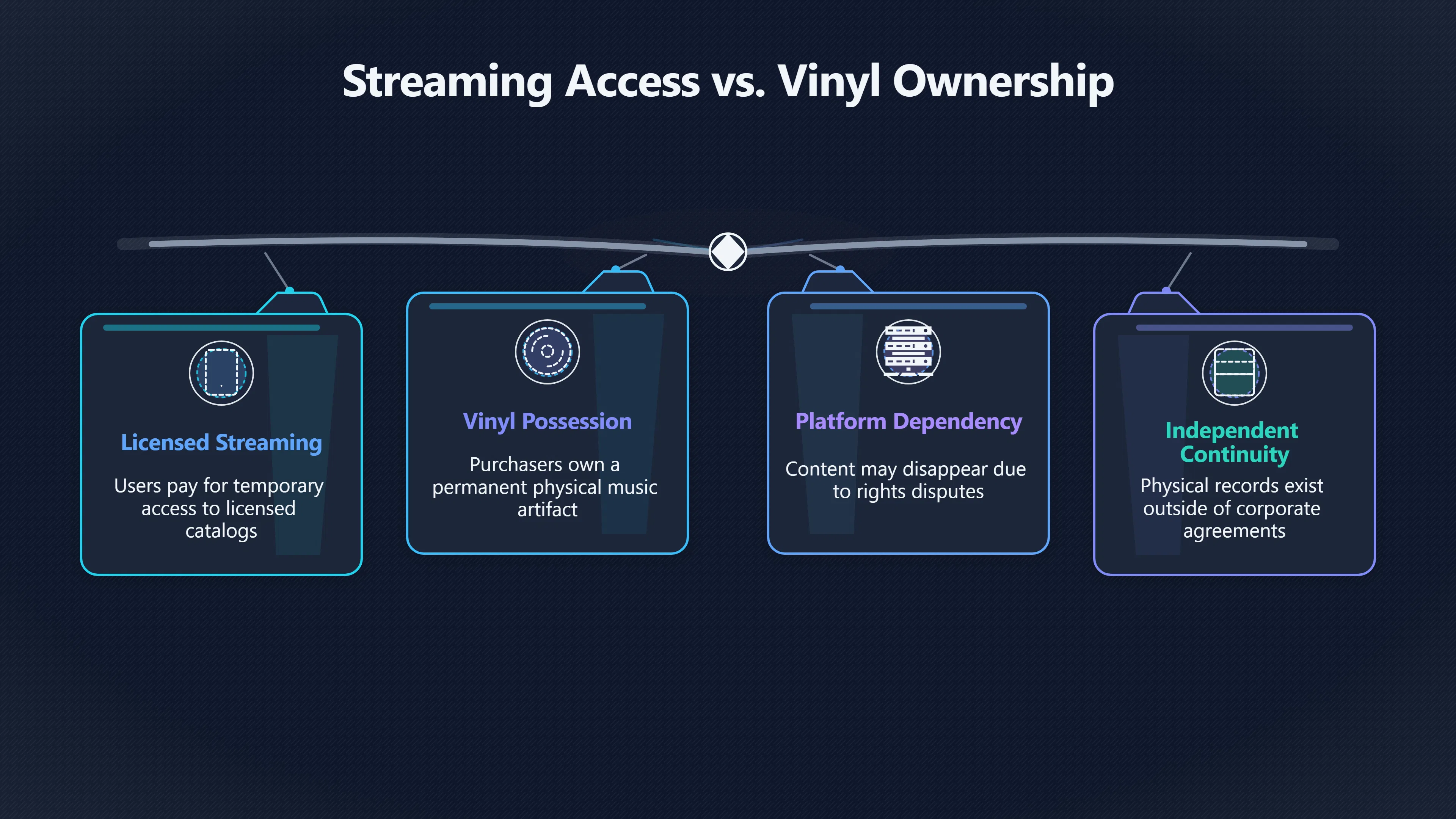
Expand all Collapse all Afrobeats How Afrobeats Crossed Global Borders Afrobeats illustrates how regional scenes can move through streaming, diaspora networks, clubs and global pop collaboration. 6 pages +Show subtopics Read more Calm Down Did Calm Down Change Pop Crossover Rules? Rema's Selena Gomez remix shows how global pop collaboration can widen Afrobeats' audience without making the African artist secondary. Read more Afro Nation How Festivals Turn Afrobeats Into Travel Afro Nation shows how Afrobeats circulation works through destination festivals that connect artists, diaspora travellers and African cities. Read more Love Nwantiti How Love Nwantiti Travelled Beyond Nigeria CKay's remix trail shows how one Afrobeats song moved from regional hit to global pop through collaborations, versions and social video. Read more Charts Why Afrobeats Needed Its Own Charts Afrobeats-specific charts helped turn scattered listening into public proof that labels, advertisers and casual listeners could understand. Read more UK nightlife Why UK Parties Mattered for Afrobeats UK clubs, student raves and specialist radio helped Afrobeats become socially familiar before mainstream institutions fully caught up. Read more AI Flooding Could AI Flood The Music Market? Generative AI could increase the supply of cheap tracks, making discovery, payment and human creative value harder to protect. 6 pages +Show subtopics Read more Platform rules Can Platforms Police AI Music Floods? Spotify and Deezer show two different ways platforms can police AI music through disclosure, filtering and demonetisation. Read more Bot fraud How AI Songs Turned Into Streaming Fraud The Michael Smith case shows how AI tracks, fake accounts and bot listening can combine into royalty fraud at scale. Read more Deezer surge What Deezer's AI Upload Surge Reveals Deezer's 2026 figures show how cheap AI music can turn catalogue growth into a filtering, storage and trust problem. Read more Middle market Where AI Music Hits Working Musicians First AI threatens the parts of music where listeners mainly want affordable, usable sound rather than a named artist. Read more Training disputes Why AI Music Lawsuits Matter for Flooding The Suno and Udio lawsuits highlight why musicians fear both unauthorised training and AI-made market substitutes. Read more AI Songs Who Gets Credit For AI Made Music? Machine-made or machine-assisted songs force platforms, labels and listeners to decide what counts as authorship. 6 pages +Show subtopics Read more Prompt Copyright Can a Prompt Make a Song Copyrightable? Prompt-only tracks test whether selection and taste can count as authorship when the expressive core comes from a generator. Read more Upload Flood How AI Tracks Flood Streaming Platforms Deezer's AI-music figures show how authorship becomes an economic problem when generated tracks flood streaming systems. Read more Assist or Replace When AI Helps Rather Than Replaces Musicians AI can either help a musician express human ideas or replace much of the songmaking process, and that difference matters. Read more Voice Clones When an AI Song Sounds Like a Star Synthetic vocals can make a track sound like an artist endorsed it, even when the singer never performed or approved the song. Read more Fake Drake Why Heart on My Sleeve Was Removed The viral Ghostwriter977 track became the clearest public test of whether a new song can still misuse a famous voice. Read more AI Training Can AI Learn From Copyrighted Music? AI music systems raise disputes over whether copyrighted recordings and compositions can be used for training without consent. 6 pages +Show subtopics Read more Fair Use Can AI music training be fair use? Fair use is the main legal defence for unlicensed training, but music makes the market-harm question especially difficult. Read more Transparency The hidden dataset problem in AI music Artists cannot meaningfully consent, opt out or negotiate if they cannot see whether their recordings were used for training. Read more Voice Imitation When AI sounds too much like an artist AI songs may avoid copying a track directly while still imitating a singer's voice, style or sonic identity. Read more Licensing Who gets paid when AI trains on songs? Training licences can pay musicians and labels, but direct deals, collective licences and opt-outs create very different winners. Read more Suno and Udio Why the Suno and Udio lawsuits matter The Suno and Udio cases turned AI music training from a theory into a high-stakes copyright fight over copied recordings. Read more Albums Why Albums Still Matter Now Albums still give artists a larger statement, a fan ritual and a cultural event even when daily listening is playlist-led. 6 pages +Show subtopics Read more Album Variants Are Album Variants Fandom or Chart Strategy? Multiple editions show how albums can become collectible objects as well as streaming releases. Read more Vinyl Album Experien Vinyl is growing in a world dominated by streaming because it offers something streaming cannot: ownership, physical presence and a deliberate way... Read more Album Arc What Gets Lost When Songs Leave the Album? Albums use sequencing and contrast to create meaning that playlist listening often changes or removes. Read more Fan Loyalty Why Albums Matter Beyond Streaming Numbers A successful album often becomes the center of touring, merchandise and long-term audience building. Read more Fan Rituals Why Do Fans Still Gather Around Album Releases? Countdowns, midnight listens and track debates turn major albums into shared experiences that playlists rarely match. Read more Algorithms Do Algorithms Help Or Narrow Music Discovery? Recommendation systems help listeners find music but can also reinforce patterns and make visibility harder for outsiders. 6 pages +Show subtopics Read more Diversity Tradeoff Can recommendations stay relevant and diverse? Spotify's own research shows the tension between immediate relevance and broader, more varied listening over time. Read more Playlist Loops Do personalised playlists make taste smaller? Personalised playlists make discovery easier, but repeated safe matches can turn variety into a smaller comfort zone. Read more Mood Matching How mood playlists changed music discovery Mood-based systems turn discovery into a moment-by-moment match between music, activity, and emotional setting. Read more Autoplay Who chooses the next song? Autoplay can turn one deliberate song choice into a longer recommendation path shaped by platform ranking decisions. Read more Cold Start Why new artists are hard to recommend New artists need listener data to be recommended, but often need recommendations before they can collect that data. Read more Attention Why Being Available Is Not Being Heard Millions of available tracks make access easy, but attention, repetition and cultural visibility remain hard to win. 6 pages +Show subtopics Read more Algorithms Do Music Algorithms Broaden Taste? Recommendation systems can help listeners explore, but optimisation may still favour music that already has strong attention signals. Read more Catalogue Gap How Big Can The Music Shelf Get? The scale of streaming catalogues shows how sharply music supply has outgrown the listening time available to any audience. Read more 1 000 Streams What Does 1,000 Streams Really Signal? Spotify's royalty threshold shows how platforms separate catalogue presence from the minimum engagement needed to earn recorded royalties. Read more Playlist Power When A Playlist Frames The Song Playlists can make unfamiliar songs useful in daily life, but they can also reduce artists to background mood and function. Read more Low Plays Why Songs Vanish After Release Most tracks are available worldwide, but low early plays can leave them without the signals needed for recommendation and repeat listening. Read more Catalogue Why Old Songs Keep Coming Back Older songs can regain attention through streaming, playlists, film placement, social clips and fan rediscovery. 6 pages +Show subtopics Read more Kate Bush How Stranger Things revived Kate Bush Kate Bush's 1985 single became a modern chart event after Stranger Things gave it a dramatic new emotional setting. Read more Playlists When playlists make old songs useful again Mood and activity playlists let older songs return because they fit a feeling, routine, or rhythm better than a release date. Read more Tik Tok Hooks Why old hooks spread through short clips Short-form video can make a few seconds of an older song travel as a joke, dance, transition, mood, or identity signal. Read more Saltburn Sync Why Saltburn sent a pop hit back Sophie Ellis-Bextor's dance-pop hit showed how one film scene can push a 2000s single back into charts and social feeds. Read more Streaming Why streaming makes old songs feel current Streaming makes older tracks searchable, playable, and recommendable at the exact moment a new listener becomes curious. Read more Concerts Why Concerts Feel Bigger Than Songs A concert is a social event, a display of fandom and a risky live encounter rather than just songs played aloud. 6 pages +Show subtopics Read more Phone Clips Do phone videos help or change memory? Clips can preserve proof of a concert moment, but they also change how fans remember and share what happened. Read more Crowd Sync When a crowd becomes part of the song Singing, moving and reacting together can make a concert feel like one collective event rather than many private experiences. Read more Fan Rituals Why concert rituals stick in memory Bracelets, outfits, chants and signs give fans physical ways to turn a show into a story they can retell. Read more Live Emotion Why live music hits harder in person Live concerts can intensify emotion because performers and audiences react to each other in real time. Read more Setlists Why the setlist is not the concert Setlists help fans document a show, but they cannot preserve atmosphere, surprise, crowd feeling or personal meaning. Read more Creator Pay Why A Growing Industry Can Still Feel Unfair The music market can grow while many creators still struggle because revenue moves through contracts and intermediaries first. 6 pages +Show subtopics Read more Label Deals When Old Record Deals Meet Streaming Money Old record-deal terms can decide whether streaming growth reaches an artist quickly, slowly or not at all. Read more 1 000 Streams Who Loses When Streams Fall Below the Line? Spotify's threshold turns a tiny-payment problem into a fairness debate about who counts financially on streaming platforms. Read more Transparency Why Bigger Royalty Reports Still Leave Questions Royalty reports can show billions moving through the market while still leaving creators unsure what they personally earned and why. Read more Songwriters Why Songwriters Wait Longer for Streaming Pay Songwriters face separate rights, publishers, societies and data-matching delays that make their streaming income harder to trace. Read more Payout Myths Why There Is No Simple Per Stream Rate Streaming income is shaped by revenue pools, rights-holder deals and contracts, not a simple fixed payment for each play. Read more Dance Music How Dance Music Builds A Room Dance music turns sound systems, venues and crowds into coordinated social environments built around movement. 6 pages +Show subtopics Read more Venue Design How Club Architecture and Lighting Shape Dance Interaction Spatial layout, lighting, and seating influence how dancers engage physically and socially. Read more DJ Curation How DJs Shape Movement and Energy in Dance Spaces DJs guide social energy through tempo, transitions, and spatial cues on the dance floor. Read more Rhythmic Repetition How Repeated Beats Foster Social Equality on Dance Floors Repeated beats allow dancers to synchronise movements, fostering temporary communitas and shared engagement. Read more Inclusion Boundaries Who Belongs on the Dance Floor and Why Social norms, aesthetics, and venue policies affect who feels welcome and how space is used. Read more Sound Systems Why Sound Systems Direct Collective Movement on Dance Floors High-powered sound systems coordinate collective bodily movement and focus in dance spaces. Read more Harmony How Harmony Changes What Music Means Harmony colors expectation, letting the same melody feel warm, tense, sad, triumphant or unresolved. 6 pages +Show subtopics Read more Melody & Harmony How Harmony Reinterprets the Emotional Meaning of a Melody The same melody can evoke hope, sadness, or suspense depending on the chords and harmonic setting beneath it. Read more Chord Emotion How Major and Minor Chords Change Listener Emotions Major and minor chords influence feeling, but their effect changes depending on musical context and progression. Read more Tension & Release How Tension and Release Shape Emotional Impact in Music Musical tension arises from dissonance, delayed resolutions, and surprise, shaping emotional responses over time. Read more Unresolved Harmony How Unresolved Chords Keep Music Emotionally Open Chords that avoid final resolution keep listeners emotionally engaged, often conveying longing, suspense, or awe. Read more Cultural Context Why Major and Minor Chords Feel Different Across Cultures Cultural background, musical exposure, and personal experience influence how listeners interpret major and minor chords emotionally. Read more Hymns How Hymns Turn Belief Into Sound Hymns show how melody, repetition and group singing can reinforce worship, belonging and shared ritual. 6 pages +Show subtopics Read more Memory How Hymns Help Belief Stay Remembered Familiar hymn texts and melodies make beliefs easier to recall by linking doctrine to repeated musical patterns. Read more Reformation When Hymns Put Worship Into Every Voice Reformation hymn singing helped move sacred music from specialist performance toward active lay participation in worship. Read more Emotion Why Hymn Tunes Say More Than Words Hymn tunes can carry joy, grief, longing and hope in ways that deepen the meaning of the sung text. Read more Public Grief Why Hymns Appear at Public Moments of Grief Hymns sung at funerals, tragedies and public gatherings can voice shared values when ordinary speech feels inadequate. Read more Shared Singing Why Singing Hymns Together Feels So Powerful Singing hymns together can turn private belief into a felt communal act through voice, rhythm, repetition and shared attention. Read more IFPI Data What Global Music Revenue Numbers Show IFPI market figures show recorded music revenue, streaming subscriptions and format shifts across the global industry. 6 pages +Show subtopics Read more Paid Streaming How Subscriptions Became The Growth Engine Paid subscriptions are the main reason recorded music revenue keeps rising even as downloads decline and physical formats fluctuate. Read more Data Sources Where IFPI's Global Numbers Come From IFPI's headline figures come from label-supplied data, national industry checks, chart partners and currency conversion rules. Read more Regions Why Global Growth Looks Different Locally The same global growth number can hide mature subscription markets, fast streaming adoption and local format differences across regions. Read more Artist Income Why Growth Does Not Mean Artists Earn More IFPI's global totals show what recordings earn, not how that money is split between labels, artists and songwriters. Read more Formats Why Streaming Is Not The Whole Story Streaming dominates the total, but vinyl, CDs, performance rights and licensing can still change the shape of recorded music growth. Read more K Pop How K Pop Built A Global Fan Machine K-pop shows how songs, videos, performance, merchandise, fandom and online platforms can operate as one coordinated system. 6 pages +Show subtopics Read more Comebacks How a comeback becomes a fan event A comeback works like a staged calendar of teasers, visuals, performances and purchases that gives fans reasons to return daily. Read more Fan Labour When supporting idols starts to feel like work Organised fandom can create friendship and visibility, but it can also make support feel like constant proof through buying, voting and streaming. Read more Fan Platforms Why fan apps matter to K pop's business Dedicated fan platforms turn artist access, livestreams, memberships and shopping into a measurable direct-to-fan business. Read more Photocards Why fans buy albums they do not play K-pop albums sell as collectibles because random photocards, versions and fan-event chances make one release worth buying more than once. Read more Dance Hooks Why K pop choruses are built to move A K-pop chorus often becomes a short dance gesture that fans can copy, clip, compare and spread across platforms. Read more Latin Music Why Latin Music Travels So Far Latin music's global reach shows how language, rhythm, diaspora audiences and platform discovery can reshape mainstream charts. 6 pages +Show subtopics Read more Bad Bunny How Bad Bunny Redefined Mainstream Success Bad Bunny showed that one of pop's biggest streaming careers could be built largely in Spanish rather than translated for English markets. Read more Viva Latino How Playlists Became Latin Music's Front Door Spotify's Viva Latino became a front door for Latin music discovery by placing new artists beside stars in a highly visible stream. Read more Despacito Why Despacito Changed Global Pop Listening Despacito proved that a Spanish-language hit could dominate global pop listening without waiting for a traditional crossover path. Read more Diaspora Why Diaspora Listening Powered Latin Streaming Latino diaspora audiences gave Latin music a ready-made listening network across homes, parties, social feeds and bilingual playlists. Read more Collabs Why Latin Collabs Travel So Fast Cross-border collaborations helped Latin songs travel by joining fan bases, recommendation systems and genre scenes in one release. Read more Live Income Why Live Music Still Pays Differently Concerts can provide artists with income, visibility and fan connection that recorded streaming alone may not deliver. 6 pages +Show subtopics Read more Live Nation What Big Concert Numbers Really Prove Live Nation's huge event numbers show how live music became a global paid experience, even if that scale differs from grassroots touring. Read more Small Gigs When a Small Gig Actually Pays Off Small shows rarely make artists rich, but they can turn a local audience into fees, merch sales, contacts and future bookings. Read more Ticket Split Where Your Ticket Money Really Goes The ticket price fans see is shared across promoters, venues, ticketing firms, crew, production and the artist's own costs. Read more Setlists Why Setlists Decide Who Gets Paid Songwriters can earn when music is performed live, but missing or inaccurate setlists can leave royalties unclaimed. Read more Grassroots Why Tiny Venues Build Real Careers Grassroots venues give artists the stage time, audience feedback and local demand needed before larger guarantees become realistic. Read more Lullabies Why Lullabies Work Across Cultures Lullabies show how simple musical patterns can soothe children, mark care and carry family memory. 6 pages +Show subtopics Read more Foreign Songs Can Unknown Lullabies Still Calm Babies? Babies can relax to lullabies from unfamiliar cultures, suggesting that musical structure matters beyond language or familiarity. Read more Familiar Songs Why Familiar Lullabies Feel Safer A familiar lullaby can carry memories of safety, making repeated caregiver songs more powerful than sound alone. Read more Repetition Why Repetition Helps Babies Settle Repeated phrases and simple patterns make lullabies easier for babies to process and less likely to startle them. Read more Caregiver Cues Why Singing Matters More Than Playback A lullaby often works best as part of caregiving, combining voice, touch, rocking, and emotional reassurance. Read more Slow Tempo Why Slow Lullabies Feel Calming Slow, softly delivered lullabies can lower arousal by giving the nervous system fewer sudden events to track. Read more Lyrics How Lyrics Make Feelings Public Lyrics let private emotion become quotable, communal and politically charged without separating words from sound. 6 pages +Show subtopics Read more Protest Lyrics When Lyrics Leave Songs and Become Slogans A lyric can become a public slogan when a community recognizes its emotional truth and uses it for collective action. Read more Chorus Lines Why Choruses Turn Feelings Into Catchphrases Repeated chorus phrases make private feelings easy to remember, quote, sing together, and reuse in everyday life. Read more Identification Why Some Lyrics Feel Like Your Story Song stories give listeners words for their own losses, longings, memories, and turning points. Read more Sung Meaning Why Sung Words Hit Harder Than Spoken Ones Words can feel more emotionally charged when melody, rhythm, and voice carry them inside a song. Read more Culture Why The Same Lyric Means Different Things Lyrics do not carry fixed meanings, because listeners interpret emotional language through culture, memory, and shared norms. Read more Melody Why Some Melodies Stay In Your Head Melody gives listeners a line to follow, making songs easier to remember, sing, quote and emotionally attach to. 6 pages +Show subtopics Read more Contour The Shape Your Brain Hums Back A melody's rising, falling and returning shape can make a song recognizable even when exact notes or rhythms are forgotten. Read more Earworms What Makes a Tune Become an Earworm? Earworm melodies often combine repetition, simple contours and distinctive turns that make them unusually easy to replay mentally. Read more Surprise Why Catchy Melodies Need a Twist Memorable tunes balance familiar patterns with slight twists that refresh attention without making the melody hard to learn. Read more Choruses Why Do Choruses Stay in Your Head? Choruses stick because repeated, singable melodic patterns give listeners more chances to encode and replay the tune. Read more Emotion Why Some Melodies Bring Memories Back A melody can become memorable because emotional listening moments tie the tune to people, places and personal events. Read more Merch Why Music Merch Means More Than Branding Merchandise gives fans a visible way to carry belonging beyond the song, album or concert venue. 6 pages +Show subtopics Read more Billie Values Can Merch Carry An Artist's Values? Billie Eilish shows how materials, fit, packaging, and sustainability claims can become part of an artist's public world. Read more Limited Drops When Scarce Merch Stops Feeling Special Limited drops can make merch feel special, but artificial urgency and repeat variants can turn excitement into fan resentment. Read more Band Shirts Why Band Shirts Say More Than Taste Band shirts and artist hoodies let fans make music taste visible, turning private listening into a public signal of belonging. Read more Collab Fit Why Some Artist Collabs Feel Fake Fashion and brand collaborations work best when fans believe the product fits the artist's style, audience, and values. Read more Tour Keepsakes Why Tour Shirts Become Memory Objects Tour merch turns a live show into a keepsake by tying a physical object to a city, date, venue, and emotional night. Read more Metadata Why Bad Music Data Costs Creators Money Credits, ownership splits and setlists must be accurate or royalties can be delayed, misallocated or lost. 6 pages +Show subtopics Read more Setlists The setlist is a royalty payment trail Live performance money only reaches writers when songs are registered clearly and performances are reported with usable setlist data. Read more Code Links The two codes behind every paid song Recording and composition identifiers solve different payment problems, and royalties break down when the two sides are not connected. Read more Unmatched Pools Where unpaid royalties wait for better data Unmatched royalty pools show how usage can generate money before the industry knows which work or rightsholder should receive it. Read more DJ Sets Why DJ royalties are so hard to trace DJ performances contain rapid blends, remixes, edits, and partial tracks, making old reporting systems struggle to identify who should be paid. Read more Song Splits Why song splits can freeze royalty money A known song can still go unpaid when co-writer, publisher, or ownership shares are late, disputed, or registered inconsistently. Read more Physical Why Fans Still Want Music Objects CDs, records and deluxe editions turn music into an object fans can display, collect, gift and keep. 6 pages +Show subtopics Read more Fan Pressure When Collecting Starts To Feel Like Pressure Multiple versions can make ownership feel exciting, but they can also make loyalty feel expensive, wasteful or manipulative. Read more CDs & Tapes Why CDs And Cassettes Still Matter CDs and cassettes often offer cheaper, smaller and more portable forms of ownership than vinyl or deluxe sets. Read more Box Sets Why Deluxe Box Sets Feel Like Archives Deluxe box sets make an album feel bigger than its tracklist by packaging demos, photos, essays and memorabilia into a keepable archive. Read more Photo Cards Why K pop Albums Became Collectible Kits K-pop albums turn music buying into collecting, trading and display through photo cards, photobooks and member-specific extras. Read more Signed Copies Why Signed Albums Feel More Personal Signed CDs, sleeves and inserts can make a mass-produced release feel personal, scarce and closer to the artist. Read more Playlists Why Playlists Became Music's New Gatekeepers Playlists shape discovery by organizing songs around moods, contexts and platform recommendations instead of only artists or albums. 6 pages +Show subtopics Read more Editorial Adds Do Editorial Playlists Still Make Hits? Editorial playlist adds can signal legitimacy, but their value now depends on platform data as much as human taste. Read more Repetition How Playlists Make Songs Feel Familiar Streaming still makes hits through repetition, but the repeats now come from playlists, autoplay and personal libraries. Read more Mood Listening When Music Becomes a Mood Button Mood and activity playlists make music easier to use, but they can also detach songs from artists, albums and scenes. Read more Algotorial Who Really Curates a Streaming Playlist? Modern playlists often blend editors, algorithms and behavioural data, making curation harder for listeners to see. Read more Discover Weekly Why Discover Weekly Feels So Personal Discover Weekly made recommendation feel intimate by turning listener behaviour into a weekly ritual of unfamiliar songs. Read more Protest Songs Why Protest Songs Still Mobilize People Protest songs help turn individual anger, grief or hope into a public voice that people can gather around. 6 pages +Show subtopics Read more Song Memory Connecting Modern Movements with Historical Protest Songs Songs like Bella ciao link current activism to past struggles, creating a sense of enduring resistance. Read more Collective Singing How Group Singing Builds Solidarity in Protests Singing together in protests creates shared emotions that strengthen solidarity and morale among participants. Read more Digital Protest Music How Social Media Transforms Protest Songs Online Social media spreads songs widely, but detachment from movements can reduce collective mobilisation impact. Read more Song Simplification When Protest Songs Flatten Complex Messages Catchy refrains unify crowds quickly but may oversimplify complex political issues. Read more Inclusive Songs Who Feels Represented by Protest Music? Some songs resonate with certain groups, potentially excluding other voices even as they unify participants. Read more Publishing How Songs Earn Beyond The Recording Songs keep earning through performance, broadcast, sync, publishing and public use long after a recording is released. 6 pages +Show subtopics Read more Setlist Gaps How Missing Setlists Leave Money Unpaid Missing setlists can prevent performance royalties from reaching the songwriters whose work was actually played. Read more Mechanical Royalties The Hidden Song Royalties Inside Streaming Streaming services generate composition royalties that depend on ownership records and licensing administration. Read more Sync Earnings When One Sync Deal Creates More Income A sync placement can create an upfront payment while also leading to additional royalties from later uses. Read more Broadcast Income Why Broadcast Use Can Last for Decades A composition can keep earning for years when broadcasters repeatedly use it as a theme, cue, or background track. Read more Royalty Splits Why the Same Song Pays Different People Performance royalties are commonly divided between writer and publisher shares, making ownership structure crucial to payment. Read more Recording How Recording Changed What Music Is Recording let performances travel beyond the room where they happened, reshaping memory, ownership and fame. 6 pages +Show subtopics Read more Music Archives How Archived Recordings Keep Musical History Alive Libraries and archives preserve recordings across formats, letting listeners experience past performances and styles. Read more Edison Phonograph How Edison's Phonograph Changed Musical Memory Edison's phonograph created the first reliable way to record and replay performances, changing how music could be preserved. Read more Playback Memory How Listening to Recordings Reshapes Musical Memory Listening to recordings reorganizes musical memory, associating songs with specific takes, room acoustics, and personal contexts. Read more Portable Players How Portable Devices Made Music Personal Everywhere Devices like the Walkman and MP3 player allowed music to move with listeners, making listening personal and mobile. Read more Recorded Fame How Recordings Carried Performer Fame Across Distances Recorded music enabled performers to gain recognition far from live venues, creating repeatable and widely distributed fame. Read more Regional Scenes How Local Sounds Become Global Streaming can help local and regional genres cross borders while still depending on platform visibility and listener attention. 6 pages +Show subtopics Read more Afrobeats How Afrobeats Turned Diaspora Listening Into Reach Afrobeats travelled faster when diaspora clubs, fan sharing and platform data turned local popularity into visible global demand. Read more Regional Mexican How Regional Mexican Music Crossed Borders Online Regional Mexican music shows how language, migration and bicultural listening can make a local genre a transnational streaming force. Read more Playlist Gate The New Border Is Platform Visibility Streaming lowered distribution barriers, but playlists and recommendation systems now decide which regional tracks become easy to find. Read more Data Proof When Streams Become Proof Of A Scene Streaming counts, city-level listening and royalty data can help regional scenes persuade labels, promoters and collaborators that demand exists. Read more Amapiano Why Amapiano Became A Global Dance Grammar Amapiano spread as a recognisable production language that listeners and artists in other countries could dance to, copy and reshape. Read more Rhythm Why Rhythm Makes Music Feel Physical Rhythm turns sound into anticipation, movement and shared physical energy across dances, chants, pop hooks and live crowds. 6 pages +Show subtopics Read more Rhythm Therapy Can a Beat Help Bodies Move Better? Regular sound cues can help some people organise steps, gait and balance by giving movement an external timing target. Read more Shared Timing How Dance Floors Turn Beats Into Belonging A strong beat gives crowds a shared clock, making clapping, stepping, chanting and jumping easier to coordinate without words. Read more Hooks Why Chants Stay in the Body Memorable rhythmic hooks work because listeners can feel entrances, pauses and repetitions quickly enough to join in. Read more Syncopation Why Off Beat Rhythms Make People Move Groove often feels best when a steady pulse is challenged just enough by off-beat accents, delays and rhythmic surprises. Read more Beat Brain Why Your Body Hears the Beat First Beat perception activates motor systems even when listeners sit still, helping explain why rhythm can feel like a bodily invitation. Read more Rights Why One Song Has So Many Rights One song can involve separate rights in the recording, composition, performance, publishing and licensing uses. 6 pages +Show subtopics Read more Metadata gaps How royalties get lost in the data Bad or missing registrations can stop collected royalties from reaching the right songwriter, performer or owner. Read more PRS dispute When royalty societies face their members The PRS lawsuit shows how collective licensing can create governance fights over costs, rules and royalty distribution. Read more Public play Why cafes pay to play songs Public performance licences explain why background music in ordinary businesses can trigger royalty payments. Read more Cover songs Why covers need one licence, not two A cover can avoid the famous master recording, but it still needs permission or a lawful route for the underlying composition. Read more Sync rights Why film music needs double clearance Putting a track under moving images usually means clearing the composition and the specific recording separately. Read more Royalties How Streaming Money Actually Reaches Artists Streaming money depends on rights, contracts, territories, platform rules and listening scale, not just play counts. 6 pages +Show subtopics Read more Songwriters How songwriters get paid from streams A stream can pay songwriters through mechanical and performance royalties, even when they are not the recording artist. Read more Missing royalties The royalties artists forget to collect Artists who only upload through a distributor may collect master income while leaving publishing royalties unclaimed. Read more Master rights Who gets the recording money first? Recording royalties usually flow first to whoever controls the master, which can make ownership and contract terms decisive. Read more Payout rates Why one stream is not worth one price Streaming payouts start from revenue pools, so the same number of plays can produce different money in different markets. Read more Global plays Why streams abroad pay differently International streams can expand an artist's reach, but territory prices and ad markets change what those plays are worth. Read more Setlists Why Setlists Are More Than Souvenirs Missing live-performance data can stop songwriters from receiving money they are owed when songs are played publicly. 6 pages +Show subtopics Read more Paper Setlists Can A Handwritten Setlist Prove A Royalty Claim? A scribbled stage setlist can become payment evidence, but only if it is readable, complete, and linked to the right show. Read more Cover Songs Do Cover Gigs Pay The Right Writers? Cover gigs can pay the original writers, but only if the songs performed are identified clearly enough to match the right works. Read more Claim Deadlines What Happens When Gig Claims Arrive Too Late? Small venue claims can disappear from a writer's income when performers learn too late that setlists had to be reported. Read more Black Box Gigs Why Grassroots Gig Money Gets Lost Grassroots shows are especially vulnerable to unmatched royalties when the venue is licensed but the songs are never reported. Read more PRS Lawsuit Why Missing Setlists Are Hard To Sue Over The failed collective claim against PRS shows why missing setlists can be obvious as a problem but hard to prove in court. Read more Short Clips How Short Clips Reshape Hit Songs Short-form video rewards songs with fast hooks, striking textures and repeatable moments that travel outside the full track. 6 pages +Show subtopics Read more Artist Discovery Can Viral Songs Build Lasting Fans? A viral song fragment does not always translate into lasting recognition for the artist behind it. Read more Early Hooks How Fast Does a Song Need to Grab You? The opening moments of a song now carry outsized weight because they must earn attention before a viewer scrolls away. Read more Song Revivals How Old Songs Become New Hits Again A decades-old recording can find a new audience when one clip-friendly moment spreads across short-form platforms. Read more Clip Tradeoffs When a Viral Snippet Hurts the Full Song Songwriters face a tradeoff between creating a shareable snippet and maintaining depth across the entire track. Read more Viral Moments Why the Chorus Is No Longer the Only Hook Many modern viral clips come from song sections that were once secondary to the chorus. Read more Silence Why Silence Can Be Music Too Silence can create tension, space, intimacy and surprise, making absence as expressive as sound. 6 pages +Show subtopics Read more Cage How John Cages 433 Redefines Musical Silence Cages 433 turns attention to ambient sounds, showing that silence is never purely empty. Read more Pauses & Tension How Pauses Build Anticipation in Music Pauses in music create anticipation and affect listener perception of upcoming notes or phrases. Read more Performance Gestures How Performers Use Gesture to Shape Silence Musicians use breaths, bow lifts, and pauses to signal intentional silence and guide audience perception. Read more Emotional Silence How Silence Communicates Emotion and Meaning in Music Pauses can convey grief, humour, suspense, or respect, shaping cultural and emotional listener responses. Read more Recording Space Why Silence Shapes the Impact of Recorded Music Silence in recordings creates clarity and impact, making loud sections feel more powerful. Read more Spotify Payouts What Streaming Payout Claims Really Mean Spotify's industry payouts are large, but creator debates focus on how that money is divided after it leaves the platform. 6 pages +Show subtopics Read more Payout Data What Spotify's big payout numbers leave out Spotify's Loud and Clear numbers show huge industry payouts, but they do not reveal each creator's final income. Read more 1 000 Streams Who loses under Spotify's 1,000 stream rule? Spotify's 1,000-stream rule removes very low-stream tracks from recorded royalty calculations and sharpens the fairness debate. Read more Per Stream Why one Spotify stream has no fixed price Spotify royalties come from a shared revenue pool, so a stream's value changes with market, subscription mix and listening share. Read more Two Rights Why one stream creates two royalty trails A Spotify stream can generate recording and composition royalties, but performers and songwriters often receive them through separate systems. Read more Artist Share Why Spotify money reaches artists unevenly Two artists with similar Spotify streams can earn very different amounts because their contracts decide what happens after rightsholders are paid. Read more Streaming How Streaming Changed Listening Habits Streaming moved listening from owned albums and downloads toward instant access, playlists and algorithmic discovery. 6 pages +Show subtopics Read more Algorithms Do Music Algorithms Expand Your Taste? Streaming recommendations can make discovery feel personal while quietly narrowing what listeners are most likely to hear next. Read more Revenue What the Money Says About Streaming Revenue data shows streaming has become recorded music's main infrastructure, even though older formats and radio still survive. Read more Access When Access Became More Useful Than Ownership Streaming lowered the cost of curiosity, making vast access more important than building and maintaining a personal library. Read more Background Why Music Now Follows US Everywhere Streaming made music easier to weave through ordinary routines as atmosphere, company, motivation and emotional regulation. Read more Playlists Why Playlists Became the New Album Playlists changed everyday listening by organizing songs around moods, activities and moments instead of only artists or albums. Read more Sync How Screen Placements Revive Songs Film, games and advertising can turn songs into dramatic cues, memory triggers and fresh income streams. 6 pages +Show subtopics Read more Ad Sync How Quiet Songs Win in Loud Advertising Advertising can revive catalogue songs when repetition and mood make the track feel inseparable from a brand memory. Read more Game Deals When Songs Become Part of Game Worlds Game sync can make a song part of a playable world, but long usage terms and buyout offers can create disputes. Read more Scene Meaning Why One Scene Can Rewrite a Song A screen placement can revive a song by giving it a new emotional role, not just another burst of exposure. Read more Clearance Why One Song Often Needs Two Yeses Most sync deals must clear both the written song and the chosen recording before music can legally meet moving images. Read more Revenue Why Sync Money Is Big but Not Magic A hit placement may bring fees, royalties and new listening, but sync remains a small part of recorded music revenue. Read more Timbre Why The Same Note Can Feel Different Timbre is why a voice, guitar, synth or drum can feel intimate, rough, bright, artificial or alive. 6 pages +Show subtopics Read more Transient Cues How Brief Attacks Reveal Sound Sources Instantly The ear detects quick attacks and decays in notes to identify instruments or voices almost instantly. Read more Neural Timbre How the Brain Distinguishes Timbre Instantly Auditory neurons process spectral and temporal sound features to identify voices and instruments regardless of pitch. Read more Vocal Formants How Vocal Tract Formants Define Individual Timbre Formants shaped by the human vocal tract create unique timbres that allow instant voice recognition. Read more Synthetic Timbre Making Synthesized Sounds Feel Human and Expressive Synthesizers mimic vocal and acoustic cues by modulating harmonics, adding noise, and shaping envelopes to sound alive. Read more Instrument Timbre Why Instrument Design Makes Sounds Feel Human Physical construction of instruments influences harmonic content and decay, making their sound expressive and human-like. Read more UK Policy Can Policy Make Streaming Fairer? UK inquiries and voluntary measures show how governments can pressure the music industry without fully redesigning it. 6 pages +Show subtopics Read more Transparency Can better royalty information make streaming fairer? The transparency code aims to improve royalty information, but clearer statements do not automatically change the underlying revenue split. Read more Metadata The tiny data errors that block music royalties Bad metadata can stop songwriters, performers and contributors from being identified correctly, delaying or blocking the money they are owed. Read more CMA study Why competition law did not solve streaming pay The CMA found streaming competition worked for listeners, pushing the fairness debate away from antitrust and toward copyright and contracts. Read more Legacy artists Why old record deals still shape streaming pay Older contracts can leave legacy artists with weak streaming income, making them a key test of whether voluntary label principles go far enough. Read more ER debate Would equitable remuneration really fix streaming pay? Equitable remuneration promises a new income route for performers, but it also raises hard questions about contracts, labels and investment. Read more Vinyl Why Vinyl Came Back In A Digital Age Vinyl offers touch, ritual, artwork and collectability that streaming cannot replace, even though it is less convenient. 6 pages +Show subtopics Read more Variants Are Vinyl Variants Good for Fans? Multiple vinyl editions can drive huge sales, but they also raise questions about collecting, waste, and fan expectations. Read more Artwork How Album Art Became Big Again Large sleeves, inserts, coloured discs, and gatefolds make albums decorative, giftable, and easier for fans to display. Read more Scarcity When Limited Vinyl Becomes the Event Limited editions can support independent record shops, but they also turn buying vinyl into a race for exclusive releases. Read more Ritual Why Playing Vinyl Slows Music Down Playing a record adds friction, sequence, and focus, making the album feel less like background audio and more like an event. Read more Ownership Why Vinyl Still Feels Like Owning Music Vinyl turns a favorite album into a visible possession, while streaming often leaves music feeling temporary and platform-bound. Read more Search pages Search topic, branch, or keyword... Scope 240 pages Search pages Clear