Within Recording
How Archived Recordings Keep Musical History Alive
Libraries and archives preserve recordings across formats, letting listeners experience past performances and styles.
On this page
- Major Archives and Collections
- Challenges of Media Preservation
- Access and Cultural Memory
Page outline Jump by section
Introduction
Archival collections and historical playback of recorded music are the mechanisms through which the sounds of the past are preserved, accessed and studied, allowing listeners and researchers to experience performances long after they were captured. Unlike everyday listening to contemporary music, archival work focuses on safeguarding fragile media, converting obsolete formats for future use and facilitating discovery of recordings within vast cultural repositories. In doing so, these collections help maintain musical memory, illuminate performance practices and ensure that sounds which might otherwise decay or be forgotten remain accessible to scholars, musicians and the public. This page explores leading archives, the technical and legal challenges of preservation, and the evolving ways listeners can engage with historical recordings.[The Library of Congress]loc.govSource details in endnotes.
Major Archives and Collections
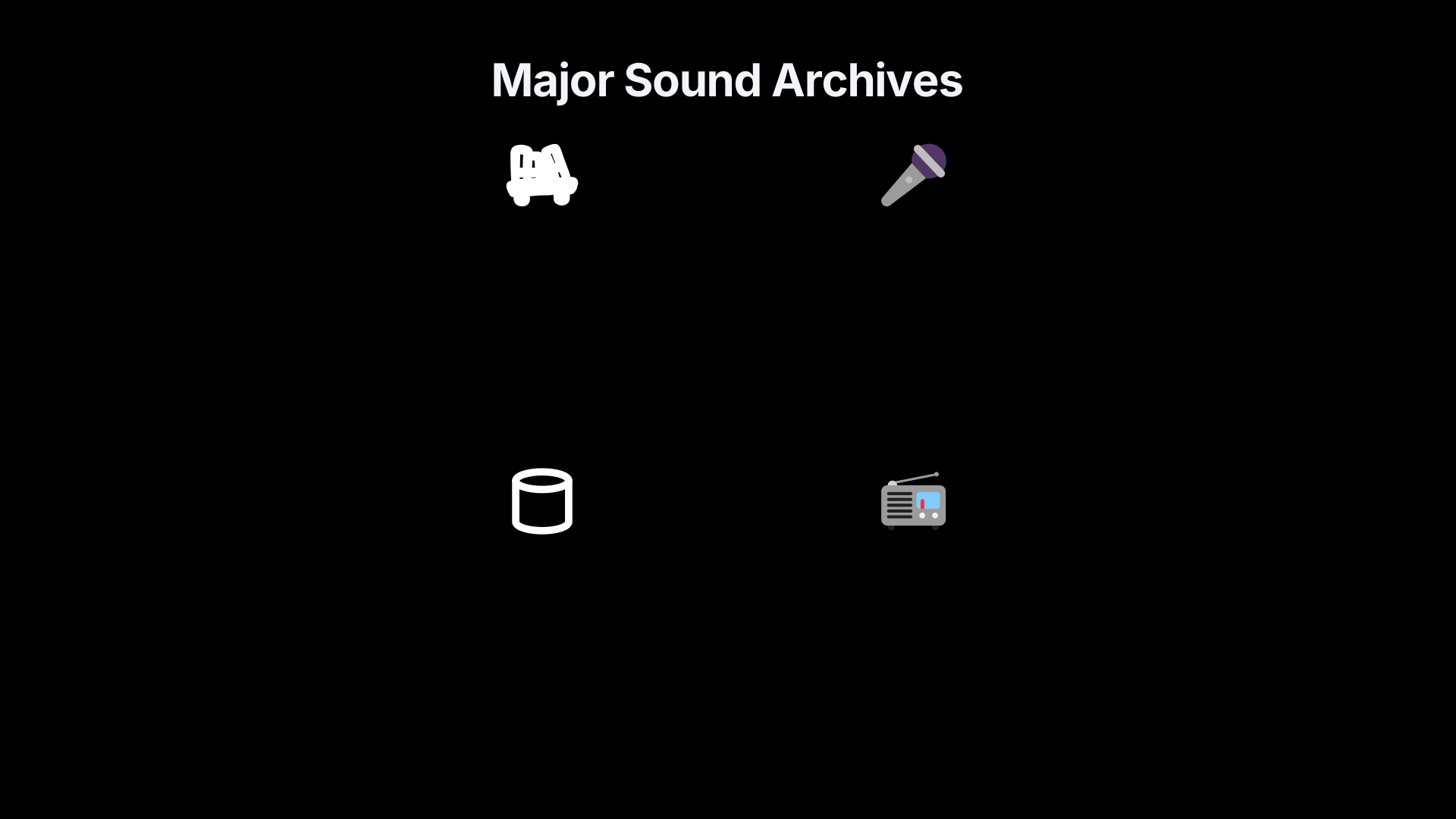
Long‑established institutions house millions of recorded sounds spanning multiple eras and formats. The British Library Sound Archive in London holds more than six million recordings, including discs, tapes and broadcasts, actively curating and digitising material to safeguard it against physical decay and format obsolescence.[Wikipedia]WikipediaBritish Library Sound ArchiveBritish Library Sound Archive The Recorded Sound Research Center at the Library of Congress in the United States provides access to nearly four million items ranging from early Victor Records to magnetic tape and CDs.[The Library of Congress]loc.govSource details in endnotes. University libraries also maintain extensive collections: for example, Yale’s Collection of Historical Sound Recordings preserves roughly 280,000 discs, cylinders and tapes across genres such as jazz, theatre and classical music, with materials available for in‑library listening or digital request.[library.yale.edu]library.yale.eduHistorical Sound Recordings | Yale LibraryHistorical Sound Recordings | Yale Library
Some regional initiatives, like the UK’s Unlocking Our Sound Heritage project, partner with local archives to digitise and catalogue diverse audio materials—including oral history, radio programmes and folk music—making them discoverable through national catalogues.[The Keep]thekeep.infoThe Keep Unlocking our Sound HeritageThe KeepUnlocking our Sound Heritage - The Keep… These collections together represent a spectrum of musical history, allowing comparison of performances, study of stylistic change and recovery of recordings otherwise at risk of being lost.
Challenges of Media Preservation
The physical media that carry historic sound recordings are inherently fragile and often require specialised care. Analog materials such as magnetic tape, wax cylinders and early discs are vulnerable to chemical degradation, environmental conditions and mechanical failure; some magnetic tapes suffer binder breakdown, while sound carriers like wax cylinders can become unplayable without careful handling.[Wikipedia]WikipediaMedia preservationMedia preservation National archives emphasise that predicted lifespans for audio media vary widely, and without climate‑controlled storage and professional management, many recordings deteriorate faster than anticipated.[National Archives]archives.govNational ArchivesAudio Guidance: Condition of Materials and Storage | National ArchivesFebruary 1, 2024…
Technical obsolescence compounds these challenges. Playback hardware for older formats—such as wire recorders or specific disc speeds—is becoming increasingly scarce, meaning that institutions must preserve not only the recordings themselves but also the means to access them.[Wikipedia]WikipediaUnlocking Our Sound HeritageUnlocking Our Sound Heritage Preservation strategies increasingly revolve around digitisation: converting physical recordings into digital files to arrest degradation and create ‘access copies’. Yet digitisation poses its own hurdles, from ensuring high‑quality transfers that capture the nuances of the original performance to integrating metadata that supports discoverability.[CLIR]clir.org3. Promoting Broad Public Access for Educational Purposes • CLIR3. Promoting Broad Public Access for Educational Purposes • CLIR…
Archivists also navigate legal and intellectual property constraints. Rights restrictions on older recordings—especially those created before federal protections were established—can inhibit reproduction and public access, complicating efforts to share historic material broadly.[AHA]historians.orgnew plan for access and preservation of audio recordings april 2013AHANew Plan for Access and Preservation of Audio Recordings – AHAApril 1, 2013…


Access, Playback and Cultural Memory
Preservation in itself does not guarantee public benefit: archives must also support pathways for listeners and researchers to find and play back historic recordings. Cataloguing remains inconsistent across institutions, and no single comprehensive discography exists for many regions, making discovery of recordings a key challenge.[CLIR]clir.orgcture, Broadcasting and Recorded Sound Division Library of Congress The views and opinions expressed herein… Projects like the National Recording Registry in the United States highlight significant recordings deemed culturally or historically important, promoting their preservation within the Library of Congress while signalling their value to the broader public.[Wikipedia]WikipediaNational Recording RegistryNational Recording Registry
Digital access initiatives and online catalogues are expanding opportunities to engage with archived music. Collections contributed to the Internet Archive, such as digitised 78 rpm records and cylinder recordings, offer listeners direct playback of early commercial releases and rare artefacts.[library.wisc.edu]library.wisc.eduSource details in endnotes. At the same time, institutions often provide on‑site listening facilities or controlled digital access to original or high‑quality versions of recordings to balance preservation with user needs.[library.yale.edu]library.yale.eduHistorical Sound Recordings | Yale LibraryHistorical Sound Recordings | Yale Library
The act of historical playback connects audiences with performance practices that would otherwise be lost to time and situates recorded music as a living repository of cultural memory, enriching understanding of musical styles, social contexts and artistic evolution.[The Library of Congress]loc.govSource details in endnotes.
Amazon book picks
Further Reading
Books and field guides related to How Archived Recordings Keep Musical History Alive. Use these as the next step if you want deeper reading beyond the article.
Perfecting Sound Forever
Includes discussion of preserving and restoring recorded sound.
The recording angel
Explores the cultural significance of keeping recordings accessible over time.
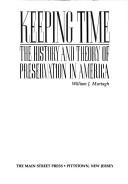
ARSC guide to audio preservation
Directly addresses preserving historical recordings and audio collections.
eBay marketplace picks
Marketplace Samples
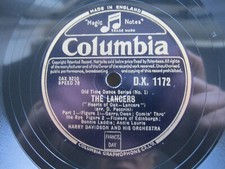
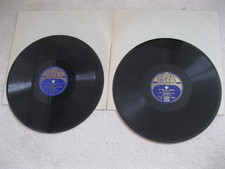
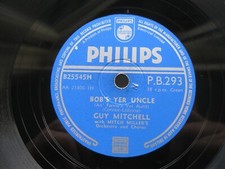
Topic-anchored marketplace searches for visual, collectible, or second-hand items related to this page.
Endnotes
1.
Source: Wikipedia
Title: British Library Sound Archive
Link:https://en.wikipedia.org/wiki/British_Library_Sound_Archive
2.
Source: library.yale.edu
Title: Historical Sound Recordings | Yale Library
Link:https://library.yale.edu/visit-and-study/libraries-locations/gilmore-music-library/historical-sound-recordings
3.
Source: Wikipedia
Title: Media preservation
Link:https://en.wikipedia.org/wiki/Media_preservation
4.
Source: archives.gov
Link:https://www.archives.gov/preservation/formats/audio-condition-assessment.html
Source snippet
National ArchivesAudio Guidance: Condition of Materials and Storage | National ArchivesFebruary 1, 2024...
Published: February 1, 2024
5.
Source: Wikipedia
Title: Unlocking Our Sound Heritage
Link:https://en.wikipedia.org/wiki/Unlocking_Our_Sound_Heritage
6.
Source: clir.org
Title: 3. Promoting Broad Public Access for Educational Purposes • CLIR
Link:https://www.clir.org/pubs/reports/pub156/section3/
Source snippet
3. Promoting Broad Public Access for Educational Purposes • CLIR...
7.
Source: historians.org
Title: new plan for access and preservation of audio recordings april 2013
Link:https://www.historians.org/perspectives-article/new-plan-for-access-and-preservation-of-audio-recordings-april-2013/
Source snippet
AHANew Plan for Access and Preservation of Audio Recordings – AHAApril 1, 2013...
Published: april 2013
8.
Source: Wikipedia
Title: National Recording Registry
Link:https://en.wikipedia.org/wiki/National_Recording_Registry
9.
Source: library.wisc.edu
Link:https://www.library.wisc.edu/music/research-help/historical-sound-recordings/
10.
Source: clir.org
Link:https://www.clir.org/pubs/reports/pub106/sound/
Source snippet
cture, Broadcasting and Recorded Sound Division Library of Congress The views and opinions expressed herein...
11.
Source: clir.org
Link:https://www.clir.org/pubs/reports/child/sound/
Source snippet
1785 Massachuset...
12.
Source: clir.org
Link:https://www.clir.org/pubs/reports/pub156/section1/
Source snippet
Building the National Sound Recording Preservation Infrastructure • CLIR1. BUILDING THE NATIONAL SOUND RECORDING PRESERVATION INFRASTRUCT...
13.
Source: loc.gov
Link:https://www.loc.gov/programs/audio-visual-conservation/using-the-collections/
14.
Source: loc.gov
Link:https://www.loc.gov/rr/record/onlinecollections.html?loclr=blognsh
15.
Source: thekeep.info
Title: The Keep Unlocking our Sound Heritage
Link:https://www.thekeep.info/collections/keep-partners/unlocking-our-sound-heritage/
Source snippet
The KeepUnlocking our Sound Heritage - The Keep...
16.
Source: loc.gov
Link:https://www.loc.gov/loc/lcib/0601/sound.html
Source snippet
Lost Sound (January 2006) - Library of Congress Information BulletinLOST SOUND Study Finds Pre-1964 Sound Recordings Inaccessible Image...
Published: January 2006
17.
Source: loc.gov
Link:https://www.loc.gov/programs/national-recording-preservation-board/preservation/
Additional References
18.
Source: loc.gov
Link:https://www.loc.gov/programs/national-recording-preservation-plan/publications-and-reports/
Source snippet
Publications & Reports | National Recording Preservation Plan | Programs | Library of CongressPROGRAM NATIONAL RECORDING PRESERVATION PLA...
19.
Source: nypl.org
Link:https://www.nypl.org/about/divisions/rodgers-and-hammerstein-archives-recorded-sound
Source snippet
About the Rodgers and Hammerstein Archives of Recorded Sound | The New York Public LibraryABOUT THE RODGERS AND HAMMERSTEIN ARCHIVES OF R...
20.
Source: iastatedigitalpress.com
Link:https://www.iastatedigitalpress.com/archivalissues/article/id/10591/
Source snippet
January 1, 1991 — PRESERVING CHICAGO SYMPHONY ORCHESTRA BROADCAST TAPES Author * Brenda Nelson-Strauss (Chicago Symphony Orchestra) * * *...
Published: January 1, 1991
21.
Source: guides.library.ucla.edu
Title: * Home * Books * Articles * Selected Related Media * Moving Image Ar
Link:https://guides.library.ucla.edu/mas/audio
Source snippet
Archiving - Media Archival Studies - Research Guides at UCLA LibrarySeptember 4, 2025 — MEDIA ARCHIVAL STUDIES A research guide to assist...
Published: September 4, 2025
22.
Source: britishlibrary.cn
Title: British Library History of the British Library’s Sound Archive
Link:https://www.britishlibrary.cn/en/articles/history-of-the-british-librarys-sound-archive/
Source snippet
British LibraryHistory of the British Library's Sound Archive - British Library...
23.
Source: news.ucsb.edu
Title: cylinder mp3 player
Link:https://news.ucsb.edu/2006/013739/cylinder-mp3-player
Source snippet
Cylinder to MP3 Player | The CurrentJanuary 31, 2006 — January 31, 2006 FROM CYLINDER TO MP3 PLAYER UCSB Makes Earliest Sound Recordings...
Published: January 31, 2006
24.
Source: youtube.com
Link:https://www.youtube.com/watch?v=wXQG0yOnx84
Source snippet
These videos provide insights into the institutional efforts to preserve music collections, the technical challenges of digitizing obsole...
25.
Source: youtube.com
Title: The Irish Traditional Music Archive: Connecting Artists and Archives
Link:https://www.youtube.com/watch?v=iQCaJ4KTOMU
Source snippet
Living Knowledge: British Library Save our Sounds campaign...
26.
Source: guides.lib.utexas.edu
Link:https://guides.lib.utexas.edu/hmrc
Source snippet
Historical Music Recordings Collection - LibGuides at University of Texas at AustinMay 8, 2025 — HISTORICAL MUSIC RECORDINGS COLLECTION H...
Published: May 8, 2025
27.
Source: youtube.com
Title: US aims to save historic audio recordings
Link:https://www.youtube.com/watch?v=m0ov8n6TMOM
Source snippet
Restoration, Active Preservation and Digitisation of Audio Documents...
Topic Tree