Within Protest Songs
Who Feels Represented by Protest Music?
Some songs resonate with certain groups, potentially excluding other voices even as they unify participants.
On this page
- Historical and cultural resonance
- Demographic differences in song impact
- Challenges for inclusive movement music
Page outline Jump by section
Introduction
Protest songs help build collective power by giving people a shared language for expressing grievances and aspirations. Yet the very songs that unite one group can leave others feeling unheard. Demographic resonance—the extent to which different communities see their experiences reflected in a song—shapes who participates, who feels represented, and how broadly a movement can build support. A protest anthem may become powerful precisely because it speaks from a particular cultural, racial, religious, gendered, generational, or class experience. The challenge is that specificity can both strengthen solidarity within a group and limit identification beyond it. Understanding this tension is essential for understanding how protest music contributes to, and sometimes complicates, collective action.[Music Research Annual]musicresearchannual.orgMusic Research AnnualDrott—Protest Music Studies - Music…This article reviews recent literature on music, protest, and social movements…
Why Some Protest Songs Speak More Strongly to Certain Communities
Protest songs rarely emerge from neutral cultural ground. They are usually rooted in the traditions, histories, and everyday experiences of particular populations. As a result, listeners who share those experiences often hear more than lyrics: they hear cultural memory, familiar musical forms, and stories that reflect their own lives.
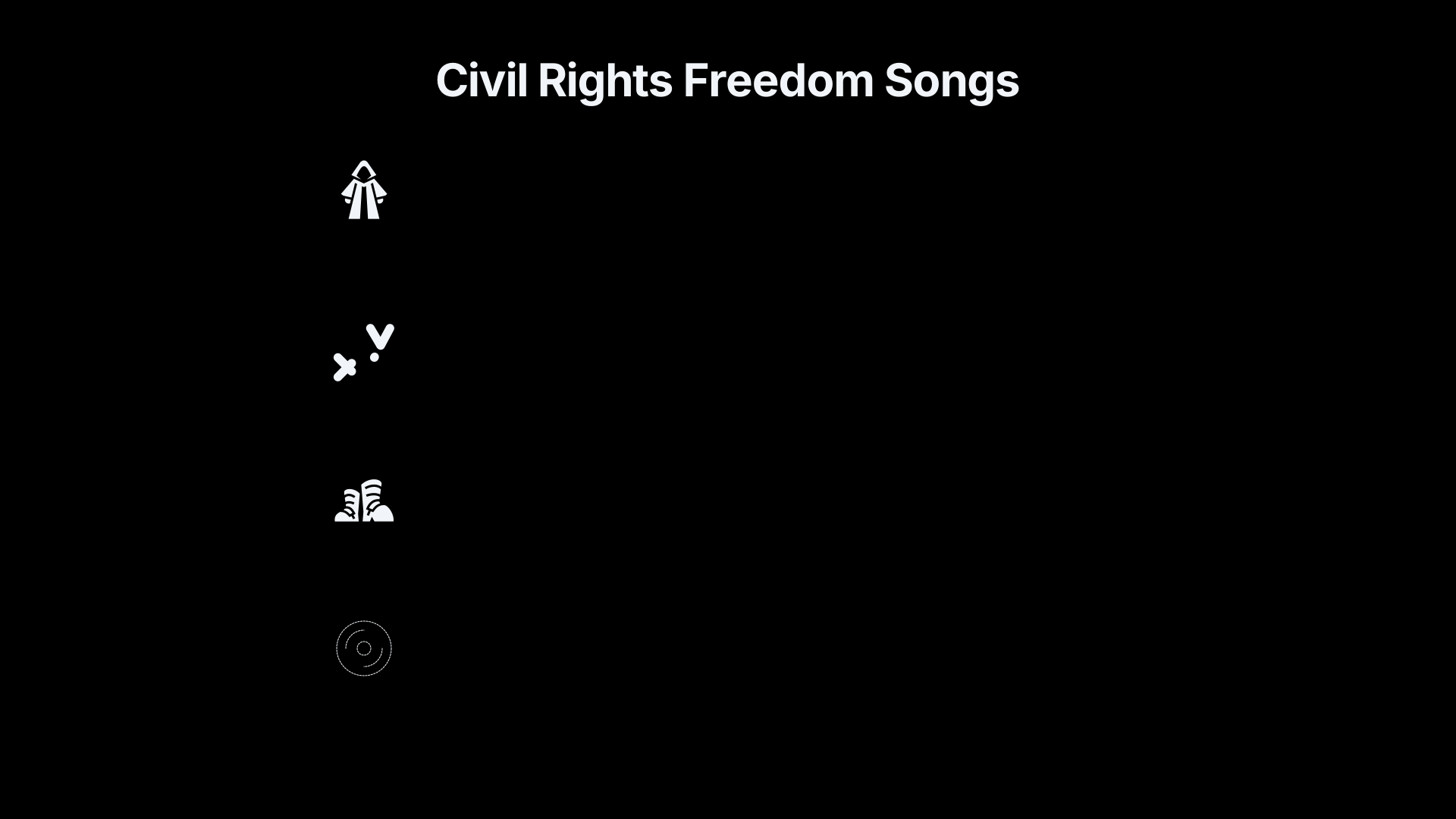
The American civil rights movement offers a clear example. Freedom songs drew heavily from African American spirituals, gospel traditions, and church-based collective singing. These musical forms carried deep emotional and historical significance for Black activists because they connected contemporary struggles against segregation to longer histories of slavery, faith, and resistance. Their power came partly from that cultural specificity.[King Institute]kinginstitute.stanford.eduKing InstituteSongs and the Civil Rights MovementMusic and singing played a critical role in inspiring, mobilizing, and giving voice to t…[The Library of Congress]loc.govMusic in the Civil Rights Movement | Articles and EssaysMusic in the Civil Rights Movement. African American spirituals, gospel, and folk…
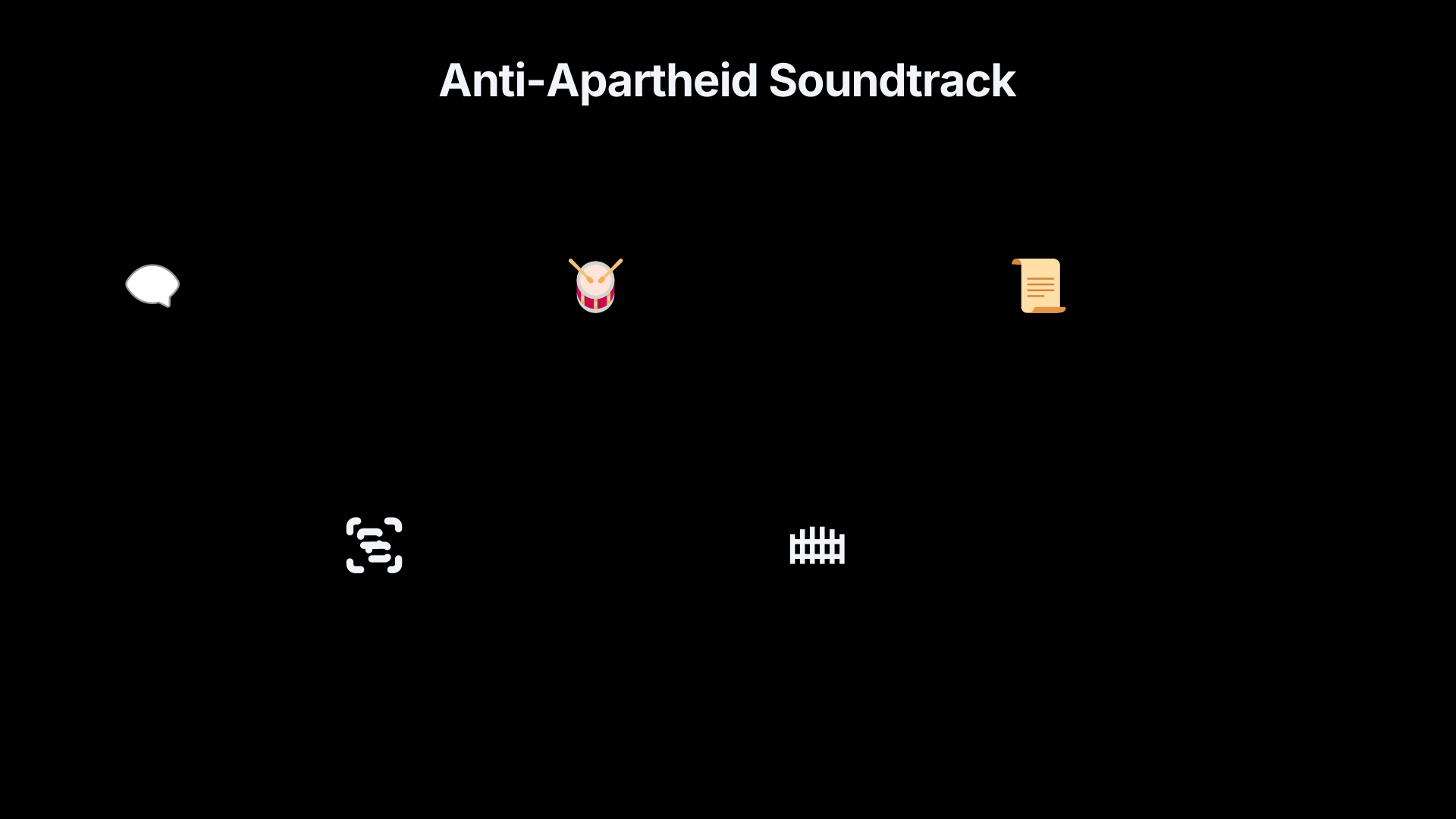
Similar patterns appear elsewhere. Anti-apartheid freedom songs in South Africa drew on local musical traditions and collective performance practices that resonated strongly with communities directly affected by racial oppression. Their effectiveness depended not only on political messages but also on shared cultural understanding.[JSTOR]jstor.orgSinging Politics: Freedom Songs and Collective Protest in…June 3, 2019 — by O Jolaosho · 2019 · Cited by 45 — Abstract: This arti…
This illustrates a broader principle: protest music often gains strength from being rooted in a particular community’s identity. A song that reflects lived experience can generate stronger emotional commitment than a deliberately universal message. However, that same rootedness can make it harder for outsiders to fully identify with the song’s meaning.
Historical and Cultural Resonance
Many of the most enduring protest songs survive because they connect present struggles to historical memory. People do not simply inherit melodies; they inherit the stories and identities attached to them.
For African American communities, songs such as We Shall Overcome carried meanings shaped by decades of labour activism, church traditions, and civil rights organising. Martin Luther King Jr. described freedom songs as giving participants courage, unity, and hope during difficult moments of struggle. Their resonance came from collective experience rather than from abstract political arguments alone.[King Institute]kinginstitute.stanford.eduKing InstituteSongs and the Civil Rights MovementMusic and singing played a critical role in inspiring, mobilizing, and giving voice to t…
Other communities have developed similar musical traditions. Immigrant, anti-racist, and minority-rights movements in Europe have often used genres such as reggae, punk, and hybrid local styles to express experiences of exclusion and belonging. These musical forms helped place marginalised identities at the centre of public debate rather than treating them as peripheral concerns.[Musée de l'Histoire de l'Immigration]histoire-immigration.frthe soundtrack to rebellion the 1970sMusée de l'Histoire de l'ImmigrationThe soundtrack to rebellion: the 1970sDuring the 1970s, music provided a platform for the voices of t…
Because cultural memory varies across populations, the same song may evoke pride and recognition for one group while carrying less emotional weight for another. This does not mean outsiders cannot appreciate the music, but their connection is often different from that of those whose histories are directly represented.
How Age, Race, Gender, and Identity Shape Musical Impact
Demographic differences influence not only which protest songs people embrace but also which musical styles they consider authentic.
Generational Differences
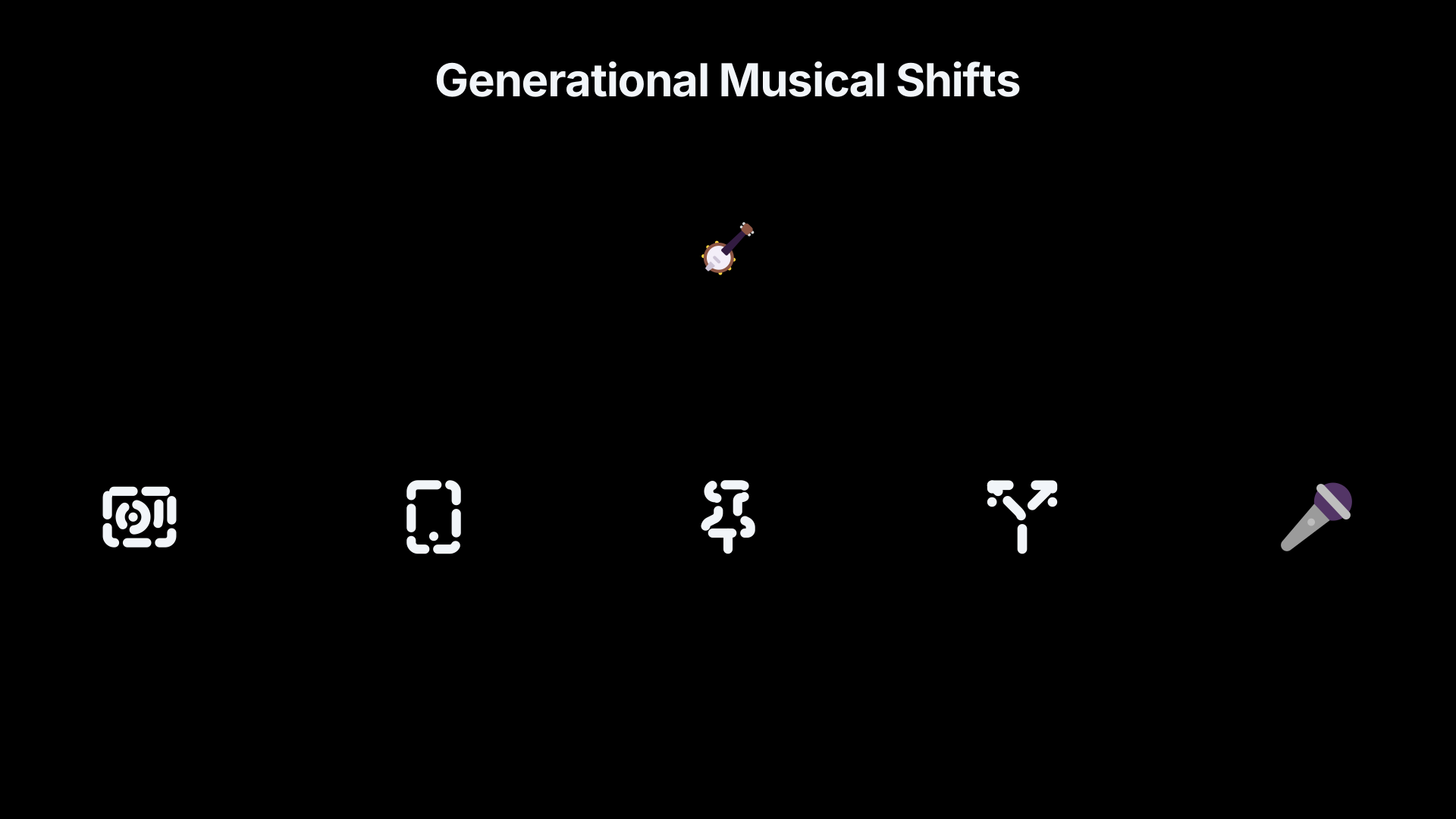
Different generations often mobilise through different musical languages. Folk music played a central role in many twentieth-century protest movements, while hip-hop has become a major vehicle for political expression among younger audiences. Research on youth activism highlights how newer genres can translate political concerns into forms that feel culturally relevant to younger participants.[ResearchGate]researchgate.netThe Role of Protest Music in Social Movements and Youth…November 30, 2024 — This study analyzes the role of protest music…
This generational shift can create tensions inside movements. Older activists may identify strongly with historic songs that younger participants see as distant from their experiences, while younger audiences may embrace contemporary genres that older supporters find unfamiliar.
Race and Ethnicity
Racial and ethnic identities frequently shape the reception of protest music because experiences of discrimination, migration, and social exclusion differ across communities.
Songs such as Strange Fruit, Fight the Power, Alright, and This Is America achieved influence partly because they articulated specifically Black experiences of racism and state violence. Their importance lies not in universal abstraction but in direct engagement with particular histories and social realities.[Teen Vogue]teenvogue.comTeen Vogue13 Best Protest Songs Of All TimeThis collection highlights 13 influential protest songs that have inspired and supported movements throughout history. Billie Holiday's "…
At the same time, some songs rooted in one community’s struggle later gain broader audiences. The civil rights movement’s music, for example, eventually attracted support from many people outside the Black community while still retaining its distinctive historical origins.[Harvard Political Review]harvardpolitics.comHarvard Political Review The Pitches of Protests: How Music Makes MovementsHarvard Political ReviewThe Pitches of Protests: How Music Makes MovementsSeptember 10, 2023 — 10 Sept 2023 — Songs like “We Shall Overco…
Gender and Sexual Identity
Questions of representation also arise around gender and sexuality. Historically, many prominent protest-song traditions were dominated by male performers and perspectives. More recent protest music has increasingly highlighted women’s experiences, LGBTQ+ rights, and intersecting forms of marginalisation.
Songs associated with feminist, queer, and transgender activism often resonate strongly with communities whose concerns were previously underrepresented in mainstream protest culture. At the same time, movements sometimes debate whether highly specific identity-based songs strengthen inclusion by giving voice to overlooked groups or fragment solidarity by speaking primarily to narrower audiences.[ESNS]esns.nlPopular music and activism: agents of change?Popular music and activism share a long history. From Woody Guthrie's antifascist protes…
Can a Song Be Both Specific and Inclusive?
One of the most important questions in protest music is whether a song must choose between representing a specific community and appealing to a broader coalition.
Many successful protest songs achieve a balance between the two. They emerge from a particular experience but express themes that others can recognise: dignity, freedom, safety, justice, or belonging. This combination allows listeners from different backgrounds to connect with the song without erasing the experiences that inspired it.[OpenEdition Journals]journals.openedition.orgOpenEdition JournalsThe Sonic Aesthetics of Protest: From Bob Dylan to Janelle…by AF Alaminos-Fernández · 2025 — Protest music has lon…
The history of freedom songs illustrates this balance. Their origins were deeply tied to Black religious and political traditions, yet their themes of perseverance and collective hope enabled wider participation across racial lines. The songs became bridges rather than barriers because they maintained their roots while offering points of connection to others.[King Institute]kinginstitute.stanford.eduKing InstituteSongs and the Civil Rights MovementMusic and singing played a critical role in inspiring, mobilizing, and giving voice to t…
By contrast, songs that rely heavily on insider references, highly local experiences, or narrowly defined political identities may generate strong internal solidarity while attracting less engagement from potential allies. Neither approach is inherently superior; each serves different movement goals.
Challenges for Inclusive Movement Music
Creating genuinely inclusive protest music is difficult because movements often contain multiple constituencies with different priorities and identities.
Several recurring challenges emerge:
- Representation gaps: A movement’s most visible songs may reflect the experiences of dominant participants while overlooking women, minorities, migrants, disabled people, or other groups within the coalition.
- Cultural ownership concerns: Communities may worry that broader adoption of their protest music weakens or distorts its original meaning.
- Fragmented audiences: Contemporary media environments encourage highly segmented musical cultures, making it harder for a single anthem to resonate across demographic boundaries.
- Competing identities: People often belong to several communities simultaneously, making it difficult for any one song to capture the full diversity of a movement.[AP News]apnews.comAP News The end of the Vietnam War was also a turning point for protest songsSongs such as "Masters of War" and "Blowin’ in the Wind" symbolized collective activism and broad cultural resonance. While modern protes…[Music Research Annual]musicresearchannual.orgMusic Research AnnualDrott—Protest Music Studies - Music…This article reviews recent literature on music, protest, and social movements…
These challenges help explain why modern movements frequently rely on multiple songs rather than a single defining anthem. Different musical voices can represent different constituencies while contributing to a broader collective effort.
What Inclusion in Protest Music Really Means
Inclusion in protest music does not necessarily require every participant to identify equally with the same song. More often, it involves creating space for multiple musical traditions, experiences, and voices within a movement.
Historically, some of the most effective protest cultures have combined strongly rooted community songs with broader anthems capable of linking different groups. This approach allows participants to maintain distinct identities while still contributing to a shared political project. Rather than eliminating difference, inclusive protest music recognises it and seeks ways to transform diverse experiences into collective action. JSTOR[Void Network]voidnetwork.grfreedom songs associated with the civil rights movement provide an illustr…
Amazon book picks
Further Reading
Books and field guides related to Who Feels Represented by Protest Music?. Use these as the next step if you want deeper reading beyond the article.
How Music Works
Explores how audiences, communities and culture shape music reception.

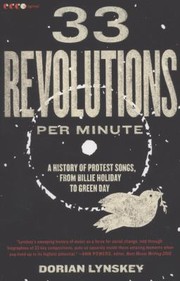
33 Revolutions Per Minute A History Of Protest Songs From Bil...
Provides rich examples of collective singing traditions.

33 Revolutions Per Minute
Covers diverse communities and traditions represented in protest songs.
eBay marketplace picks
Marketplace Samples
Example marketplace items related to this page. Use the search link to explore similar finds on eBay.


Endnotes
1.
Source: jstor.org
Link:https://www.jstor.org/stable/26670981
Source snippet
Singing Politics: Freedom Songs and Collective Protest in...June 3, 2019 — by O Jolaosho · 2019 · Cited by 45 — Abstract: This arti...
Published: June 3, 2019
2.
Source: researchgate.net
Link:https://www.researchgate.net/publication/394952031_The_Role_of_Protest_Music_in_Social_Movements_and_Youth_Activism_Across_Eras
Source snippet
The Role of Protest Music in Social Movements and Youth...November 30, 2024 — This study analyzes the role of protest music...
Published: November 30, 2024
3.
Source: esns.nl
Link:https://esns.nl/nl/conference/panels/popular-music-and-activism-agents-of-change/
Source snippet
Popular music and activism: agents of change?Popular music and activism share a long history. From Woody Guthrie's antifascist protes...
4.
Source: journals.openedition.org
Link:https://journals.openedition.org/miranda/69182
Source snippet
OpenEdition JournalsThe Sonic Aesthetics of Protest: From Bob Dylan to Janelle...by AF Alaminos-Fernández · 2025 — Protest music has lon...
5.
Source: researchgate.net
Title: 343827203 ‘People Have the Power’ Songs of Resistance in Late Modernity
Link:https://www.researchgate.net/publication/343827203_%27People_Have_the_Power%27_Songs_of_Resistance_in_Late_Modernity
Source snippet
(PDF) 'People Have the Power': Songs of Resistance in...16 Mar 2026 — The aim of this proposed special issue is to examine the unique fo...
6.
Source: jstor.org
Link:https://www.jstor.org/stable/10.5323/blachistbull.84.1.0006
Source snippet
EXPLORING THE ROLE OF SONGS IN SOCIAL CHANGEby K Rydell · 2021 · Cited by 14 — Conducting research, we became fascinated with the role of...
7.
Source: musicresearchannual.org
Link:https://musicresearchannual.org/drott-protest-music-studies/
Source snippet
Music Research AnnualDrott—Protest Music Studies - Music...This article reviews recent literature on music, protest, and social movements...
8.
Source: kinginstitute.stanford.edu
Link:https://kinginstitute.stanford.edu/songs-and-civil-rights-movement
Source snippet
King InstituteSongs and the Civil Rights MovementMusic and singing played a critical role in inspiring, mobilizing, and giving voice to t...
9.
Source: loc.gov
Link:https://www.loc.gov/collections/civil-rights-history-project/articles-and-essays/music-in-the-civil-rights-movement/
Source snippet
Music in the Civil Rights Movement | Articles and EssaysMusic in the Civil Rights Movement. African American spirituals, gospel, and folk...
10.
Source: voidnetwork.gr
Link:https://voidnetwork.gr/wp-content/uploads/2016/09/Music-and-social-movements-Mobilizing-traditions-in-the-twentieth-century-by-Ron-Eyerman-and-Andrew-Jamison.pdf
Source snippet
freedom songs associated with the civil rights movement provide an illustr...
11.
Source: histoire-immigration.fr
Title: the soundtrack to rebellion the 1970s
Link:https://www.histoire-immigration.fr/exhibition-paris-londres/the-soundtrack-to-rebellion-the-1970s
Source snippet
Musée de l'Histoire de l'ImmigrationThe soundtrack to rebellion: the 1970sDuring the 1970s, music provided a platform for the voices of t...
12.
Source: teenvogue.com
Title: Teen Vogue13 Best Protest Songs Of All Time
Link:https://www.teenvogue.com/story/best-protest-songs
Source snippet
This collection highlights 13 influential protest songs that have inspired and supported movements throughout history. Billie Holiday's "...
13.
Source: harvardpolitics.com
Title: Harvard Political Review The Pitches of Protests: How Music Makes Movements
Link:https://harvardpolitics.com/pitches-of-protest/
Source snippet
Harvard Political ReviewThe Pitches of Protests: How Music Makes MovementsSeptember 10, 2023 — 10 Sept 2023 — Songs like “We Shall Overco...
Published: September 10, 2023
14.
Source: apnews.com
Title: AP News The end of the Vietnam War was also a turning point for protest songs
Link:https://apnews.com/article/228cfe1d83613d3b56bd21ca0e7df2c4
Source snippet
Songs such as "Masters of War" and "Blowin’ in the Wind" symbolized collective activism and broad cultural resonance. While modern protes...
15.
Source: pbs.org
Link:https://www.pbs.org/wgbh/americanexperience/features/eyesontheprize-music-civil-rights-movement/
Source snippet
Music in the Civil Rights Movement | American ExperienceA voice raised in song, born in the struggle against racism in America during the...
Additional References
16.
Source: pjlss.edu.pk
Link:https://www.pjlss.edu.pk/pdf_files/2024_2/13494-13504.pdf
Source snippet
Musical Trends and Social Movementsby X Yu · Cited by 1 — The article analyzes the contexts of the protest potential of young people in t...
17.
Source: journals.lib.unb.ca
Link:https://journals.lib.unb.ca/index.php/MC/article/view/26200/1882518894
Source snippet
of Songs and Singers of Social Protest | MUSICulturesSome scholars consider protest songs as rhetoric to convince the masses (Kizer 1983)...
18.
Source: news.cornell.edu
Title: how music galvanized fight civil rights
Link:https://news.cornell.edu/stories/2026/01/how-music-galvanized-fight-civil-rights
Source snippet
music galvanized the fight for civil rights - Cornell Chronicle15 Jan 2026 — Martin Luther King Jr.'s speeches tapped into a Black musica...
19.
Source: ips-journal.eu
Title: the new sound of resistance 8933
Link:https://www.ips-journal.eu/topics/democracy-and-society/the-new-sound-of-resistance-8933/
Source snippet
The quiet power of protest songs – Democracy and society11 Mar 2026 — When Die Ärzte sing against the right wing or young punk bands atta...
20.
Source: eur.nl
Title: 2026 04 we want more abstracts
Link:https://www.eur.nl/en/eshcc/media/2026-04-we-want-more-abstracts
Source snippet
We Want More: Music / Sociology!10 Apr 2026 — In this paper, we synergise findings from three research studies to elucidate the value of...
21.
Source: thesongbook.org
Link:https://thesongbook.org/about/news-media/the-songbook-blog-items/musics-voice-in-the-american-civil-rights-movement/
Source snippet
The Great American Songbook FoundationMusic's Voice in the American Civil Rights Movement“African American spirituals, gospel, and folk m...
22.
Source: tandfonline.com
Title: Taylor & Francis Online
Link:https://www.tandfonline.com/doi/full/10.1080/14775700.2021.2021004
Source snippet
Introduction: Cultures of Protest in American Musicby E Clough · 2021 · Cited by 7 — This special issue, with its focus on Cultures of Pr...
23.
Source: htlmusicbusiness.academy
Title: music and politics
Link:https://htlmusicbusiness.academy/2026/05/15/music-and-politics/
Source snippet
HTL Music Business AcademyHow Music and Politics Have Always Been Connected15 May 2026 — Protest songs transformed political movements by...
Published: May 2026
24.
Source: digitalcommons.pepperdine.edu
Link:https://digitalcommons.pepperdine.edu/cgi/viewcontent.cgi?article=1197&context=pjcr
Source snippet
Pepperdine Digital CommonsThe Priming Effect of Music on Political Alignmentby K Hailey · 2025 · Cited by 2 — From the anthems of revolut...
25.
Source: scholarship.claremont.edu
Link:https://scholarship.claremont.edu/cgi/viewcontent.cgi?article=2591&context=scripps_theses
Source snippet
Critical Discussion of American Protest Music and its...by S Hills-Villalobos · 2020 · Cited by 1 — He argues against a definition of “s...
Topic Tree