Within Silence
How John Cages 433 Redefines Musical Silence
Cages 433 turns attention to ambient sounds, showing that silence is never purely empty.
On this page
- Historical premiere and structure
- Audience engagement with ambient sounds
- Cultural and musical impact
Page outline Jump by section
Introduction
John Cages 433 is one of the most influential examples of silence in music because it turns silence from an absence into the subject of the performance itself. First presented in 1952, the work asks performers not to produce intentional musical sounds, directing attention instead to the sounds already present in the performance space. Rather than presenting silence as emptiness, Cage used it to demonstrate that listeners are always surrounded by acoustic activitybreathing, shifting seats, distant traffic, weather, and countless other sounds. The piece became a landmark case in understanding why silence matters inside music: it changes what listeners notice, how they listen, and what they consider to be music.[Encyclopedia Britannica]britannica.comEncyclopedia Britannica433 | Experimental Music, Avant-Garde, Silence22 May 2026 433, musical composition by John Cage created in…

Historical Premiere and Structure
The premiere of 433 took place on 29 August 1952 at the Maverick Concert Hall in Woodstock, New York. Pianist David Tudor sat at the piano, opened and closed the keyboard lid to mark the movements, but deliberately played no notes. The audience nevertheless experienced a performance lasting four minutes and thirty-three seconds.[The Museum of Modern Art]moma.orgRead moreThe Museum of Modern ArtThere Will Never Be Silence: Scoring John Cage's 433John Cage's 433 On a warm summer evening in August 1952 p…[Wikipedia]WikipediaOpen source on wikipedia.org.
The composition is organised into three movements. In its most famous form, the durations were approximately 30 seconds, 2 minutes 23 seconds, and 1 minute 40 seconds. The score instructs performers to remain tacetsilent in the conventional musical sensethroughout the work. What gives the piece structure is therefore not melody, harmony, or rhythm, but duration itself. Time becomes the framework within which listening occurs.[Wikipedia]WikipediaGospel of JohnGospel of JohnThe Gospel of John is the fourth of the New Testament's canonical Gospels. It contains a schematic account of the minist…
Although often described as four and a half minutes of silence, Cage rejected that interpretation. His aim was not to create a void but to reveal that true silence is unattainable in ordinary life. Even when performers make no intentional sounds, environmental sounds continue to exist. The work therefore transforms those sounds into the material of the performance.[Encyclopedia Britannica]britannica.comEncyclopedia Britannica433 | Experimental Music, Avant-Garde, Silence22 May 2026 433, musical composition by John Cage created in…[New Music]newmusicusa.orghow it happened said john cage a moment of silenceNew Music USAHow It Happened (said John Cage): A Moment of SilenceFeb 20, 2018 4'33 is a piece about silence, or how there is never si…
Why the Audience Becomes Part of the Music
A distinctive feature of 433 is that the audience unknowingly helps create it. During the premiere, listeners heard rustling programmes, coughs, shifting bodies, wind outside the hall, and other incidental noises. In later performances, the sounds differ according to location, weather, architecture, and audience behaviour. No two performances can ever be identical because the surrounding acoustic environment is never identical. Smithsonian Libraries and Archives[The Cross-Eyed Pianist]crosseyedpianist.comThe Cross-Eyed Pianist4'33 still has the power to provoke and intrigueDec 22, 2018 Each performance has been unique, the experience de…
This changes the role of listening. In most concerts, ambient noise is treated as interference that distracts from the music. In 433, those same sounds become the focus. The piece encourages listeners to examine sounds they would normally ignore and to recognise that hearing is an active process rather than a passive reception of musical notes.[Smithsonian Libraries and Archives]blog.library.si.edujohn cage and the sounds of silenceCoughs, sneezes, bodies shifting in chairs, neighbors breathing, shuffling feet…Read more…
The work also exposes the social conventions of a concert hall. Audiences arrive expecting music and therefore listen attentively even when no notes are played. Cage used this expectation to demonstrate that the act of concentrated listening can transform ordinary sounds into meaningful artistic experience. The concert setting effectively frames environmental noise as something worthy of attention.[Wikipedia]WikipediaOpen source on wikipedia.org.

Silence as Attention Rather Than Emptiness
One of the most common misunderstandings is that 433 celebrates silence itself. A more accurate interpretation is that it celebrates awareness. Cage argued that silence does not truly exist in everyday circumstances because there are always sounds available to hear. The piece therefore redirects attention away from the performer and towards the wider sonic environment. New Music USA[Encyclopedia Britannica]britannica.comEncyclopedia Britannica433 | Experimental Music, Avant-Garde, Silence22 May 2026 433, musical composition by John Cage created in…
This perspective helps explain why the work remains relevant to discussions of musical silence. Instead of functioning as a pause between sounds, silence becomes a frame that reveals sounds already present. The listener discovers that what seemed empty is actually full of acoustic detail.
Cultural and Musical Impact
The immediate reaction to 433 was controversy. Many listeners questioned whether a work without intentionally produced notes could legitimately be called music. That debate has continued for decades, making the piece one of the most discussed compositions of the twentieth century.[Encyclopedia Britannica]britannica.comEncyclopedia Britannica433 | Experimental Music, Avant-Garde, Silence22 May 2026 433, musical composition by John Cage created in…
Its influence, however, extends far beyond the initial shock. The work encouraged composers, performers, and scholars to rethink the boundaries of music. It helped legitimise the artistic use of environmental sound, inspired later experimental and conceptual music practices, and contributed to broader discussions about performance art and the role of the audience.[Wikipedia]WikipediaGospel of JohnGospel of JohnThe Gospel of John is the fourth of the New Testament's canonical Gospels. It contains a schematic account of the minist…[New Music USA]newmusicusa.orghow it happened said john cage a moment of silenceNew Music USAHow It Happened (said John Cage): A Moment of SilenceFeb 20, 2018 4'33 is a piece about silence, or how there is never si…
Perhaps the most enduring legacy of 433 is its challenge to conventional definitions. Traditional musical elements such as melody and harmony are absent, yet listeners still experience a structured event unfolding through time. The piece therefore asks a fundamental question: is music defined by the sounds a composer intentionally creates, or by the act of listening itself?[New Music USA]newmusicusa.orgNew Music USAFrom No Such Thing as Silence: John Cage's 4'331 Apr 2010 Many presume that the piece's purpose was deliberate provocation…
What 433 Reveals About Silence in Music
Within the broader topic of why silence matters inside music, 433 stands as the clearest demonstration that silence is rarely empty. By removing intentional performance sounds, Cage revealed the constant presence of ambient sound and the importance of listener attention. The piece shows that silence can organise perception, alter expectations, and reshape the meaning of what is heard.
Rather than presenting nothing, 433 presents listening itself. More than seventy years after its premiere, it remains a powerful reminder that the boundary between music and the surrounding world is often far less rigid than audiences assume.[Encyclopedia Britannica]britannica.comEncyclopedia Britannica433 | Experimental Music, Avant-Garde, Silence22 May 2026 433, musical composition by John Cage created in…[The Museum of Modern Art]moma.orgRead moreThe Museum of Modern ArtThere Will Never Be Silence: Scoring John Cage's 433John Cage's 433 On a warm summer evening in August 1952 p…
Amazon book picks
Further Reading
Books and field guides related to How John Cage’s 4′33″ Redefines Musical Silence. Use these as the next step if you want deeper reading beyond the article.
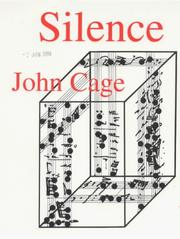
Silence: Lectures and Writings
Written by Cage himself and central to understanding the ideas behind silence, listening, and experimental music.
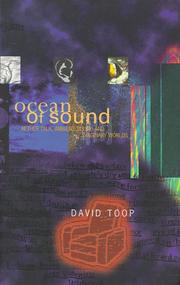
Ocean of Sound
Explores listening, ambience, and sound environments closely related to Cage's ideas.
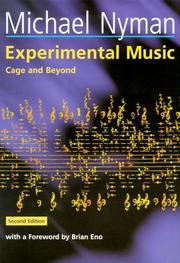
Experimental Music: Cage and Beyond
Places 4′33″ within the wider development of experimental music.

Where the Heart Beats: John Cage, Zen Buddhism, and the Inner...
Explains the philosophical influences that shaped Cage's approach to silence and sound.
eBay marketplace picks
Marketplace Samples
Example marketplace items related to this page. Use the search link to explore similar finds on eBay.

Endnotes
1.
Source: britannica.com
Link:https://www.britannica.com/topic/433-by-Cage
Source snippet
Encyclopedia Britannica433 | Experimental Music, Avant-Garde, Silence22 May 2026 433, musical composition by John Cage created in...
Published: May 2026
2.
Source: Wikipedia
Link:https://en.wikipedia.org/wiki/4%E2%80%B233%E2%80%B3
3.
Source: newmusicusa.org
Title: how it happened said john cage a moment of silence
Link:https://newmusicusa.org/nmbx/how-it-happened-said-john-cage-a-moment-of-silence/
Source snippet
New Music USAHow It Happened (said John Cage): A Moment of SilenceFeb 20, 2018 4'33 is a piece about silence, or how there is never si...
4.
Source: newmusicusa.org
Link:https://newmusicusa.org/nmbx/from-no-such-thing-as-silence-john-cages-433/
Source snippet
New Music USAFrom No Such Thing as Silence: John Cage's 4'331 Apr 2010 Many presume that the piece's purpose was deliberate provocation...
5.
Source: Wikipedia
Title: Gospel of John
Link:https://en.wikipedia.org/wiki/Gospel_of_John
Source snippet
Gospel of JohnThe Gospel of John is the fourth of the New Testament's canonical Gospels. It contains a schematic account of the minist...
6.
Source: britannica.com
Title: John Cage
Link:https://www.britannica.com/biography/John-Cage
Source snippet
American Composer & Avant-Garde Innovator22 May 2026 John Cage was an American avant-garde composer whose inventive compositions and un...
Published: May 2026
7.
Source: kids.britannica.com
Title: John Cage
Link:https://kids.britannica.com/students/article/John-Cage/273443
Source snippet
Cage - StudentsThe same year, he composed 4'33, a composition consisting of 4 minutes and 33 seconds of silence. Cage continued his mus...
8.
Source: britannica.com
Title: Music of Changes
Link:https://www.britannica.com/topic/Music-of-Changes
Source snippet
work by Cage22 May 2026 American avant-garde composer whose inventive compositions and unorthodox ideas profoundly influenced mid-20th...
Published: May 2026
9.
Source: moma.org
Title: Read more
Link:https://www.moma.org/calendar/exhibitions/1386
Source snippet
The Museum of Modern ArtThere Will Never Be Silence: Scoring John Cage's 433John Cage's 433 On a warm summer evening in August 1952 p...
Published: August 1952
10.
Source: blog.library.si.edu
Title: john cage and the sounds of silence
Link:https://blog.library.si.edu/blog/2018/06/22/john-cage-and-the-sounds-of-silence/
Source snippet
Coughs, sneezes, bodies shifting in chairs, neighbors breathing, shuffling feet...Read more...
11.
Source: crosseyedpianist.com
Link:https://crosseyedpianist.com/2018/12/22/433-still-has-the-power-to-provoke-and-intrigue/
Source snippet
The Cross-Eyed Pianist4'33 still has the power to provoke and intrigueDec 22, 2018 Each performance has been unique, the experience de...
12.
Source: thequietus.com
Link:https://thequietus.com/opinion-and-essays/black-sky-thinking/silence-why-john-cage-s-4-33-is-no-laughing-matter/
Source snippet
Why John Cage's 4'33" Is No Laughing MatterDec 13, 2010 "Until I die there will be sounds," concluded Cage. "And they will continue fol...
Additional References
13.
Source: nothingtoseeness.de
Link:https://nothingtoseeness.de/en_EN/artist/john-cage.257021
Source snippet
John CageThis first performance of John Cage's work 433 triggered perplexity, anger, a flurry of whispers, and ultimately a scandal, ev...
14.
Source: furious.com
Link:https://www.furious.com/perfect/johncageanniversary.html
Source snippet
John Cage and the meaning of his silent pieceJohn Cage's signature composition 4'33" was premiered by pianist David Tudor in Woodstock, N...
15.
Source: theguardian.com
Link:https://www.theguardian.com/music/2024/dec/27/sound-advice-from-john-cage
Source snippet
Barry Russell explains that each performance of 4'33'' is different because it incorporates the ambient sounds existing around the audien...
16.
Source: facebook.com
Title: john cages 433 was premiered on this date in 1952john cages 1952 composition 433
Link:https://www.facebook.com/BeethovenAndBeyond/photos/john-cages-433-was-premiered-on-this-date-in-1952john-cages-1952-composition-433/1319656456188566/
Source snippet
The Premiere and Initial Reception The premiere of 4'33" took place on August 29, 1952, at the Maverick Concert Hall in Woodstock, New...
Published: August 29, 1952
17.
Source: facebook.com
Title: john cages 433 was premiered on this date in 1952john cages 1952 composition 433
Link:https://www.facebook.com/BeethovenAndBeyond/posts/john-cages-433-was-premiered-on-this-date-in-1952john-cages-1952-composition-433/1319656496188562/
Source snippet
The Premiere and Initial Reception The premiere of 4'33" took place on August 29, 1952, at the Maverick Concert Hall in Woodstock, New...
Published: August 29, 1952
18.
Source: blogs.urz.uni-halle.de
Link:https://blogs.urz.uni-halle.de/experimentellemusikaufyoutube/john-cage-433/
Source snippet
August 1952 in der Maverick Concert Hall in Woodstock, New York, von David Tudor am Klavier uraufgefhrt und besteht aus drei Stzen und...
Published: August 1952
19.
Source: crosseyedpianist.com
Title: silence presence and challenging conventions thoughts on john cages 433
Link:https://crosseyedpianist.com/2017/07/15/silence-presence-and-challenging-conventions-thoughts-on-john-cages-433/
Source snippet
thoughts on John Cage's 4'3315 Jul 2017 Cage eliminates the details of notes, [rhythm]({{ 'rhythm/' | relative_url }}), tone, and leaves the performer with the basics of...
20.
Source: reddit.com
Link:https://www.reddit.com/r/classicalmusic/comments/6m0aua/is_john_cages_433_a_joke_or_a_actual_artistic/
Source snippet
He explained 4:33 as describing how we "lost the silence" inside ourselves during the cold war.Read more...
21.
Source: rosewhitemusic.com
Link:https://rosewhitemusic.com/piano/writings/silence-taught-john-cage/
Source snippet
I would say that anyone who recognizes Cage's name knows that he wrote a piece of music...Read more...
22.
Source: jhk2-46295.medium.com
Title: john cage 433 and the importance of silence 876c53d3dbc4
Link:https://jhk2-46295.medium.com/john-cage-433-and-the-importance-of-silence-876c53d3dbc4
Source snippet
Cage: 4'33'' and the Importance of SilenceThe premiere of 4'33'' occurred on the 29th of August 1952 in the Maverick Concert Hall of Wood...
Published: August 1952
Topic Tree